Thank you!
Your request has been sent.
We'll review your request and get back to you within 1–2 business days.
Thanks for the feedback!
We appreciate you helping us improve.




RPG & MMO Game Art Studio
Worlds players
live in for years
Characters, weapons, props, vehicles and environments for RPGs and MMOs – full art direction on Wild Rage and production art for Miasma Chronicles.
Request a Quote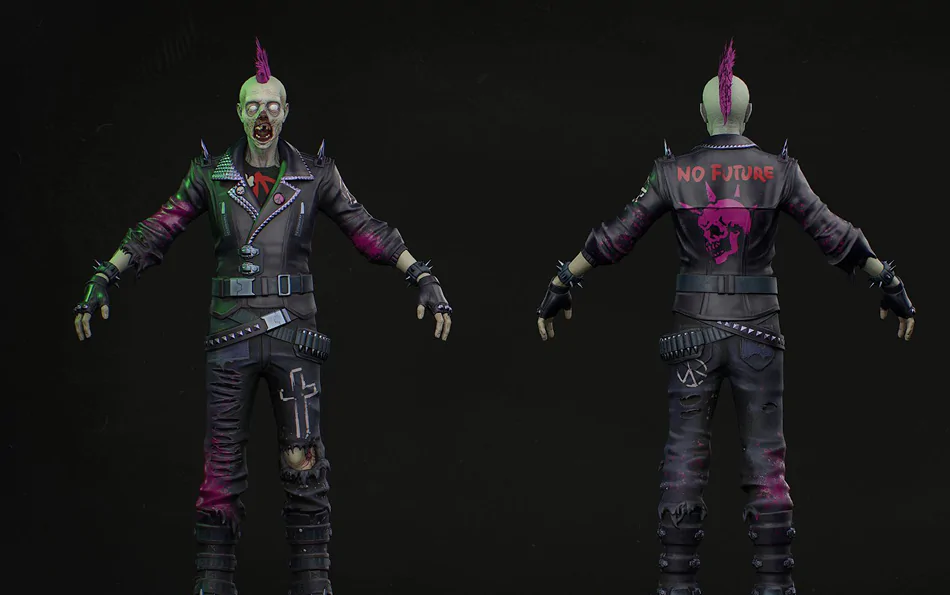


01 · The Genre
RPG & MMO
Games
RPG and MMO games are related but not the same thing. RPGs typically center on character development, equipment, abilities and player-driven progression, while MMOs bring large numbers of players into shared online worlds, often combining RPG systems with persistent environments, social play and content that keeps evolving.
For art, characters are often one of the main visual pillars, but they have to belong to a coherent world: gear, environments, creatures and props need to share one recognizable visual language. Where players dress, arm and upgrade their hero, gear comes in families that should read as steps on one path. The world is large and is visited again and again, which favors modular locations over one-off scenes. A long-running game keeps adding factions, regions and items, so the visual rules set in year one still have to hold in year three.
Art for RPG & MMO: characters · concept art · weapons · props · environments
SUBGENRE 01
Survival MMORPG
Survival MMORPGs often combine resource gathering, crafting, character progression and combat in persistent multiplayer environments. The visual design has to make factions, equipment, threats and key locations recognizable at a glance.
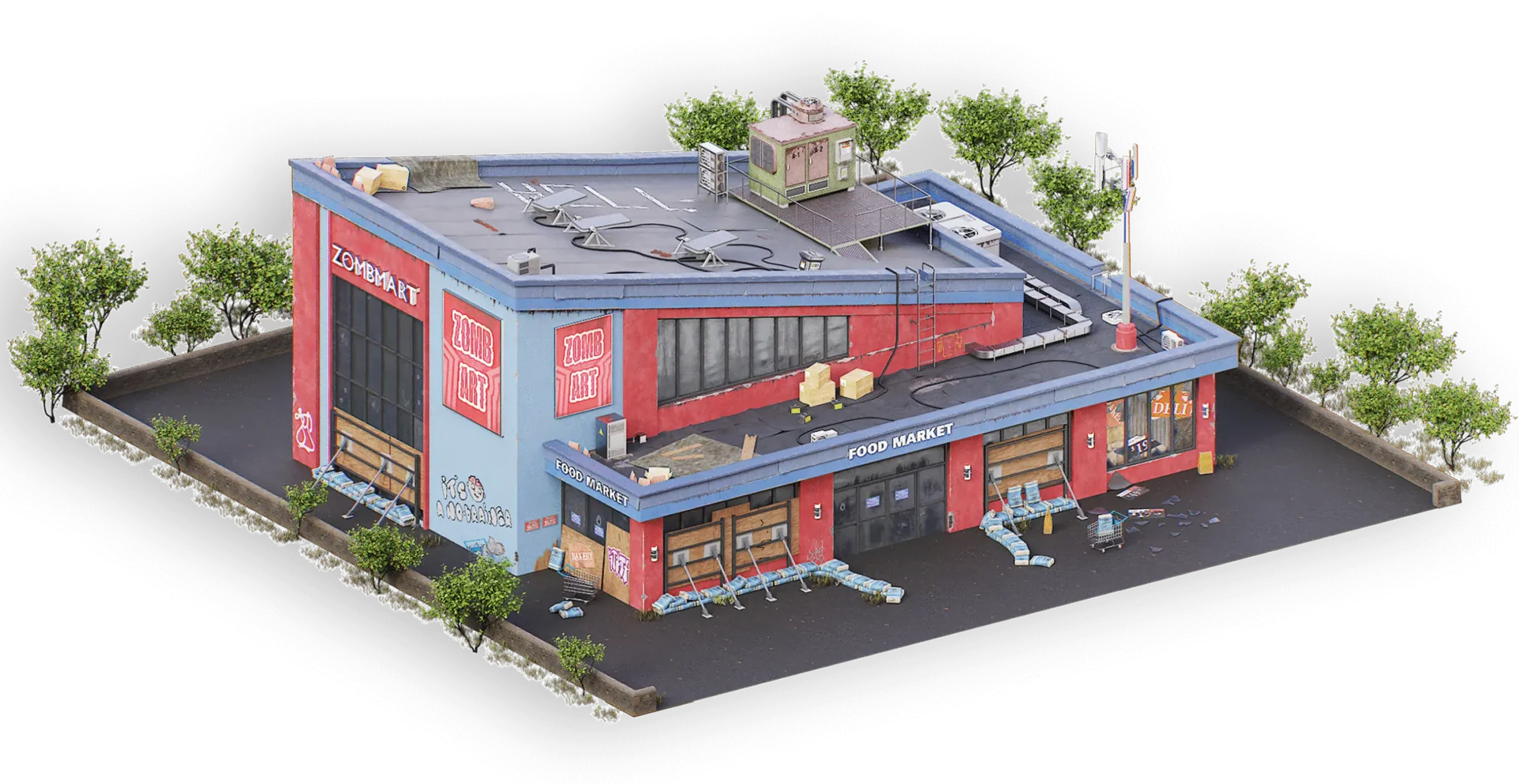
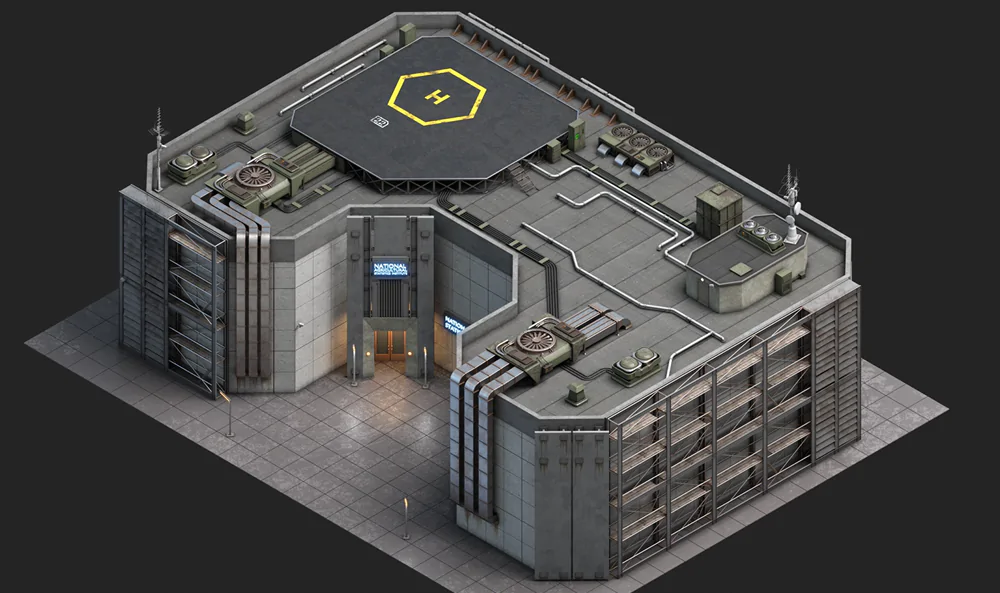
Art priority: enemy factions with clear silhouettes, crafted weapons and gear, vehicles, ruined or hostile locations built from modular pieces
Example: Wild Rage – a survival MMORPG where humans and zombies clash in a post-apocalyptic world
SUBGENRE 02
Action RPG
Real-time combat, loot and character builds. Fights are fast and the camera is close, so a weapon or an armor piece has to read in motion as well as in the inventory.
Art priority: hero and enemy characters, weapon and armor sets with tier variants, dungeon and location kits
Not yet a published case. What carries over from our RPG work: characters with rigging, weapon sets, environment kits
SUBGENRE 03
Tactical & Party RPG
Tactical and party-based RPGs combine character progression with encounters where party composition, positioning and abilities shape the fight – turn-based or real-time. Characters, equipment and environments must stay recognizable at the game's intended camera distance.
Art priority: signature weapons, story locations, props that frame each encounter
Example: Miasma Chronicles – a tactical RPG with skill-based progression
SUBGENRE 04
Hero Collection & Idle RPG
Players collect a growing roster of heroes, upgrade them and send teams into battle, often on mobile and often with progress that continues offline. The roster is the product, so each hero needs a distinct read at a small size.
Art priority: a large character roster, upgrade tiers, compact locations and props sized for mobile budgets
Our transferable experience: character production and rigging, stylized props and character art direction
Looking for stylized character work specifically?
02 · Platforms
Where RPGs and MMOs Ship
RPGs ship on PC, console and mobile, and MMOs can be found on all three. Target platform, camera distance, expected character density and rendering requirements together shape the geometry, texture, material and rigging budgets of every asset.


PC & Steam
Long sessions, a close camera on the character sheet and players who study their gear. Material quality and fine detail on weapons and armor are noticed here.
On PC
Miasma Chronicles


PlayStation · Xbox
Couch distance and controller play. Large silhouettes and clear color separation help characters and enemies read across the room, and every asset stays inside the console memory plan.
On console
Miasma Chronicles (PS5, Xbox Series X|S)


Mobile
Hero collectors and mobile RPGs fit many characters on a small screen. Polygon counts, texture sizes and the number of materials per character are planned around the weakest device you support.
03 · Engine
Unity and Unreal Engine
art direction on Wild Rage
our toolset
RPG and MMO projects ship on both major engines, and our work fits either. Before production, we align the relevant technical requirements with your team – from character skeletons and rigging specifications to asset scale, naming conventions and geometry and texture budgets. Deliverables then follow the agreed engine and production pipeline. Unity is part of our toolset, and Miasma Chronicles, a tactical RPG with our art, runs on Unreal Engine.
04 · Studios
Who We Make RPG & MMO Art For
RPGs and MMOs can require broad and evolving asset libraries – playable characters and enemy factions, weapons and equipment, props and entire environments. How you split that work between your team and ours depends on your stage and on who owns the visual direction.
| Studio | What you need | Typical scope | How we plug in |
|---|---|---|---|
| MMO and online RPG teams | One consistent world across seasons and expansions | Character lines, weapon and gear tiers, modular locations | A long-term partner working to your art bible |
| Independent RPG studios | A complete visual identity without a full in-house art department | Concept art, characters, weapons, props, vehicles, environments | Full art direction from our side, as on Wild Rage |
| Teams in pre-production | A look that proves the world to publishers or backers | Concept art, a hero character, one key location | A concept-first engagement ahead of full production |
05 · How We Work
Direct, Subcontract
or Part of Your Team
RPGs and MMOs are built over years, and the right setup in pre-production is rarely the right one at launch or during live updates. Start with the model that fits today and change it as the project grows.
Direct Engagement
You define the scope – a faction, a weapon line, a region – and our team delivers it with its own art director and project manager, reporting progress and builds to you.
Subcontract (White-Label)
For co-development partners and lead studios: the work is produced under your NDA and your brand, and it ships under your name.
Talk to us about white-label workTeam Extension
Our artists work inside your pipeline and under your art direction. You run the process; we supply the capacity and the skill.
Full Art Direction
When you need a visual identity, not only assets: our art director sets the style, shape language and quality bar, and the team produces every discipline against it – as on Wild Rage, from concept art to characters, weapons, props, vehicles and environments.
06 · Cases
RPG & MMO Games With Our Art
Two kinds of RPG engagement: full art direction for an online survival game, and production art for a story-driven tactical RPG.
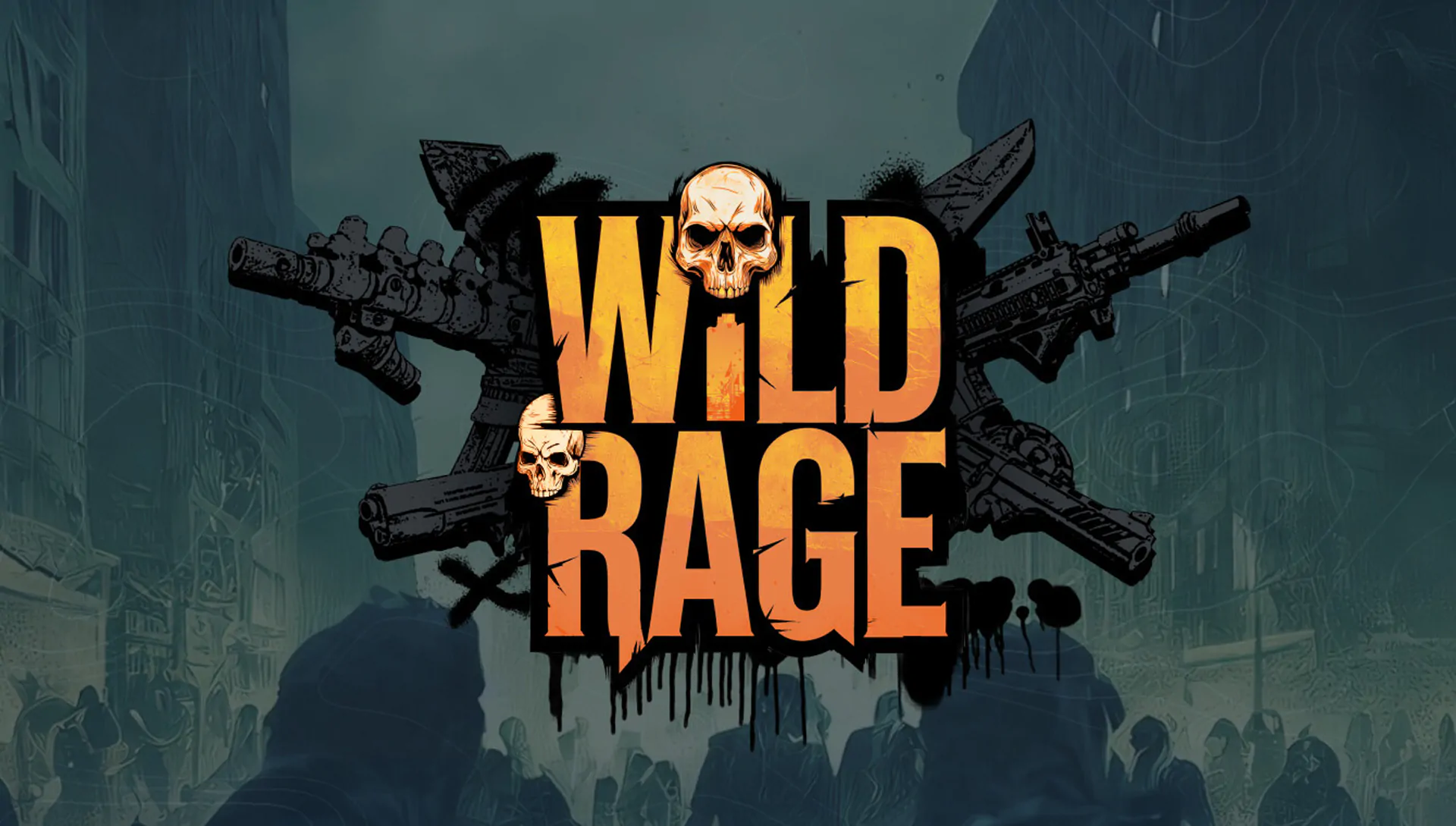
Wild Rage
Survival MMORPG by Whimsy Games, set in a post-apocalyptic world where humans and zombies fight over what is left. We led the art direction and produced concept art, 3D characters with rigging, weapons, props, vehicles and environment assets in one consistent style.
View the Wild Rage case“Nasty Rodent supported our large-scale game art production with 15+ specialists across props, characters, environments, weapons, concept art, and vehicles. They also helped structure pipelines, managed art direction, and coordinated the art team.”
– CEO, Whimsy Games
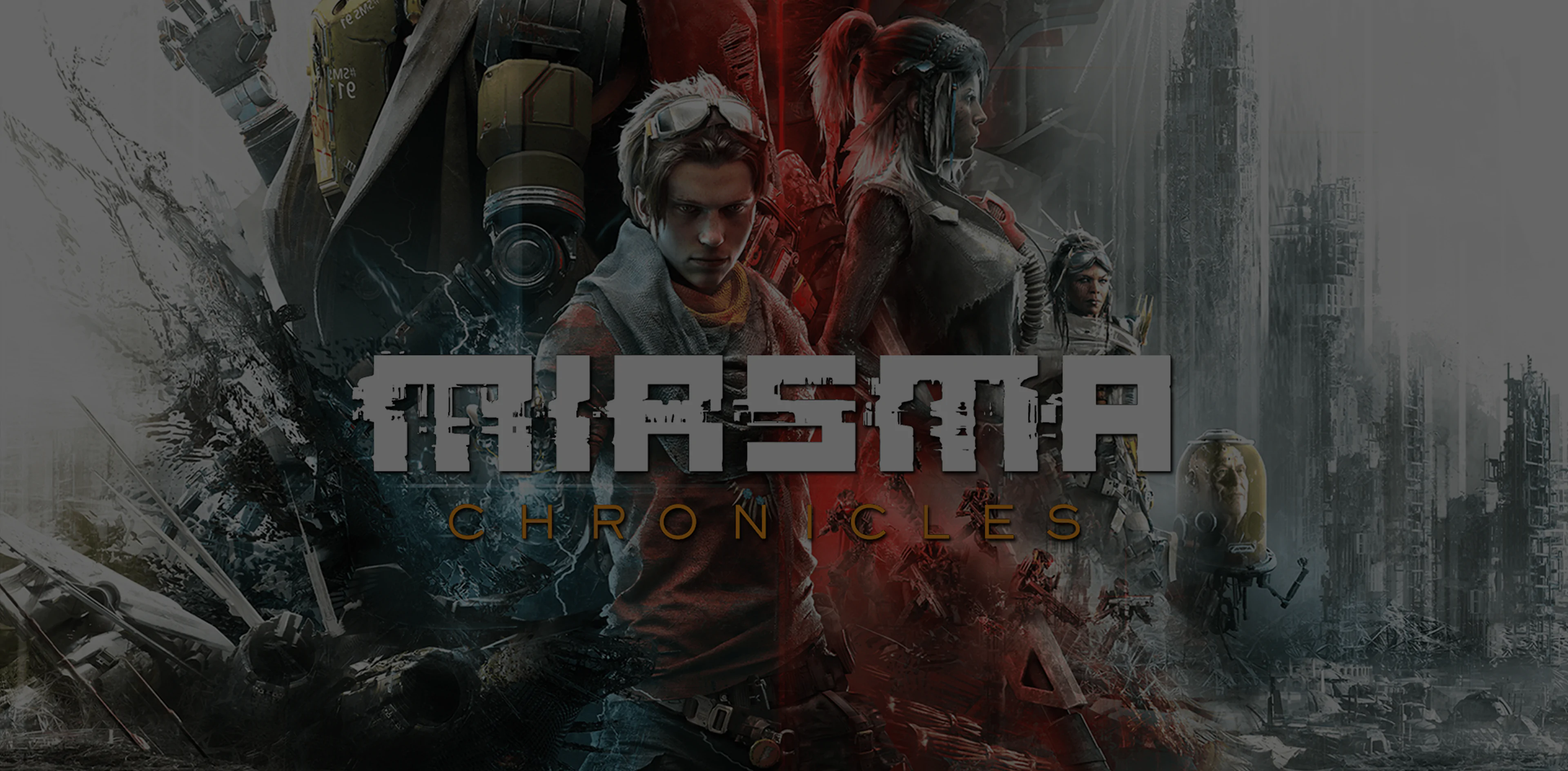
Miasma Chronicles
Tactical RPG by The Bearded Ladies, published by 505 Games, following a party through an America transformed by the Miasma. Our team built weapons, props and environment assets for the game.
View the Miasma Chronicles caseFAQ's: RPG & MMO Art
What art does an RPG or MMO need from an outsourcing studio?

Can you take on full art direction for an RPG or MMO?
How do you keep a large world consistent across years of updates?
Do you create and rig characters for MMOs?
Can you produce weapon and gear variants for progression?
How do I get an estimate for my RPG or MMO?
Building
an RPG or MMO World?
Tell us about your cast, your arsenal and the world they live in. We come back with questions and a draft scope in 1–2 business days.
- Transparent pricing
- Honest feedback
- No hidden costs - ever