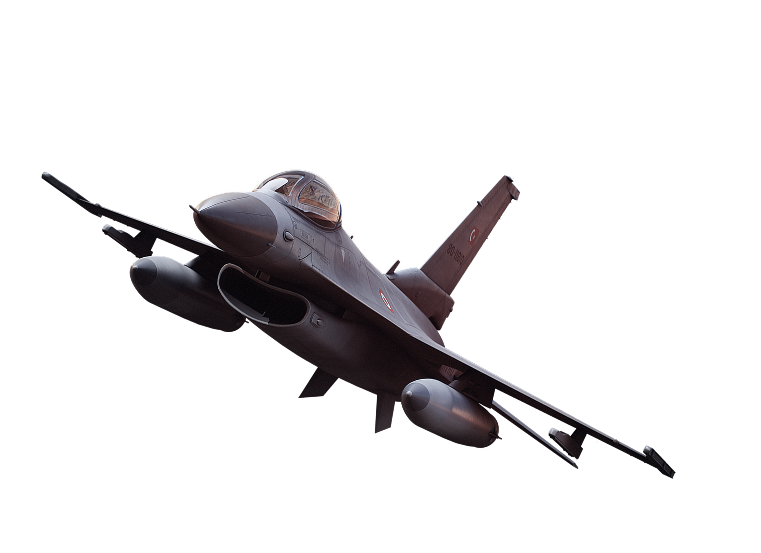

Concept Art for Game Production
Nasty Rodent creates concept art that your 3D team can build from — characters, environments, weapons, props and vehicles. Not just illustrations: orthographic views, material callouts, scale references and turnarounds, delivered in the format your pipeline actually consumes.
Concept art
as a production document
A concept is finished when a modeller can build from it without asking a question. That is a different standard from a good illustration, and it is the one we work to.
Practically it means the deliverable is not a single hero image. It is the set a production team consumes: silhouette and thumbnail passes to settle the design cheaply, orthographic views that resolve the angles a render hides, material and colour callouts, scale references against your existing assets, and turnarounds for anything that will be modelled in the round.
We work across characters, environments, weapons, props and vehicles, in realistic and stylized directions — and we hand our own concepts to our own 3D artists. When a concept cannot be built, we find out in a week from a modeller, not in six months from a client.
Realistic concepts
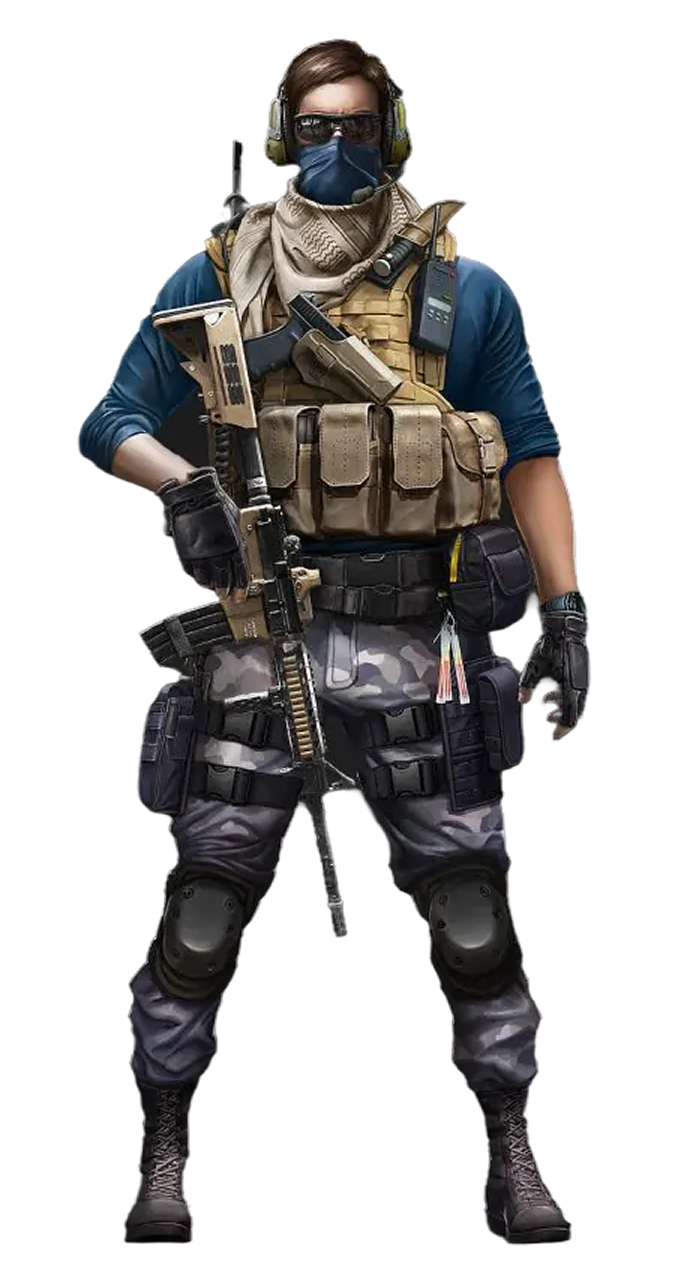
Reference-driven design with accurate proportion, material behaviour and mechanical logic — for characters, weapons, vehicles and environments that have to read as real, functioning objects. We work from reference so the result is a buildable object, not a shape that resembles one.
The deliverable is a production document, not a single render: orthographic views that resolve the angles a hero shot hides, material and colour callouts, and scale references against your existing assets — everything a modeller needs to build without asking a question
Stylized concepts
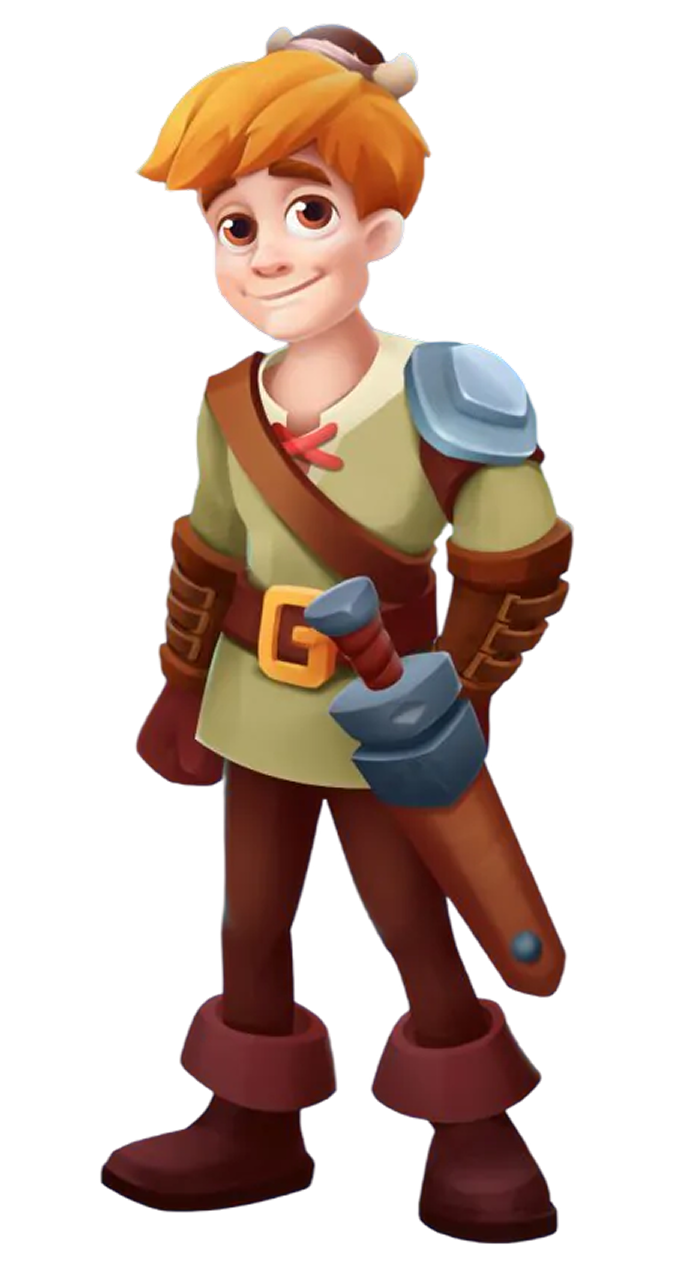
Design built to a defined shape language — silhouette, colour ramps and how much detail lives in form versus texture. Readability comes first: the design has to hold at a glance and stay on-model across a whole cast or set.
Stylization is a rule set, and on an existing project the rules already exist. We take your art bible as the guide, and write the rules down where they don't yet exist, so every new concept belongs to the same world rather than sitting beside it.
CASE
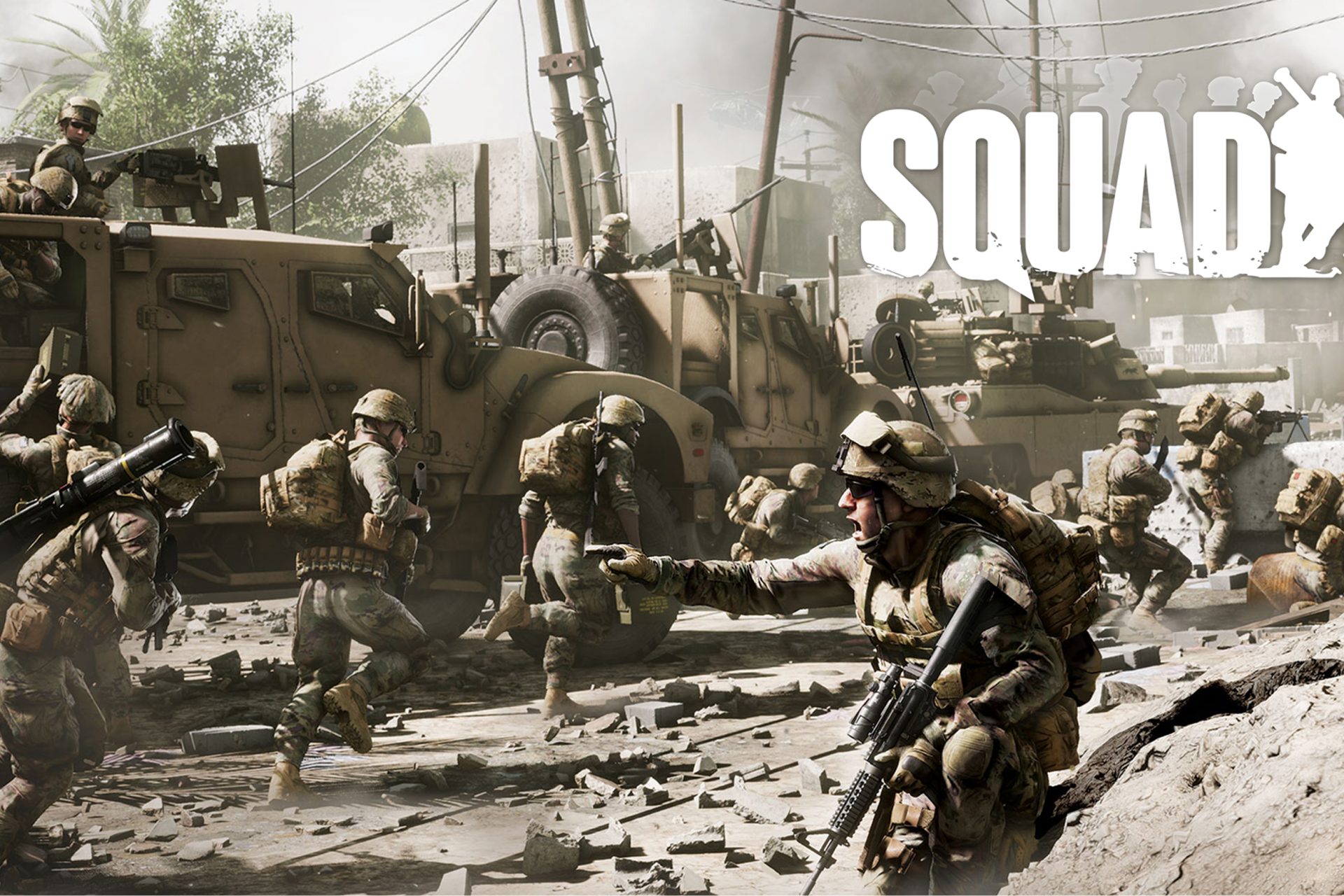
Selected production case: Squad
SQUAD
A large-scale military first-person shooter where every asset has to read as a real piece of equipment — the audience for a game like this includes people who own the reference.
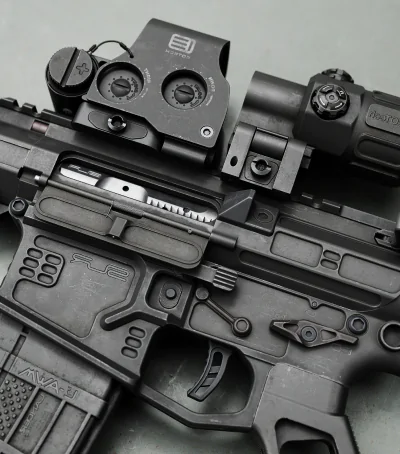
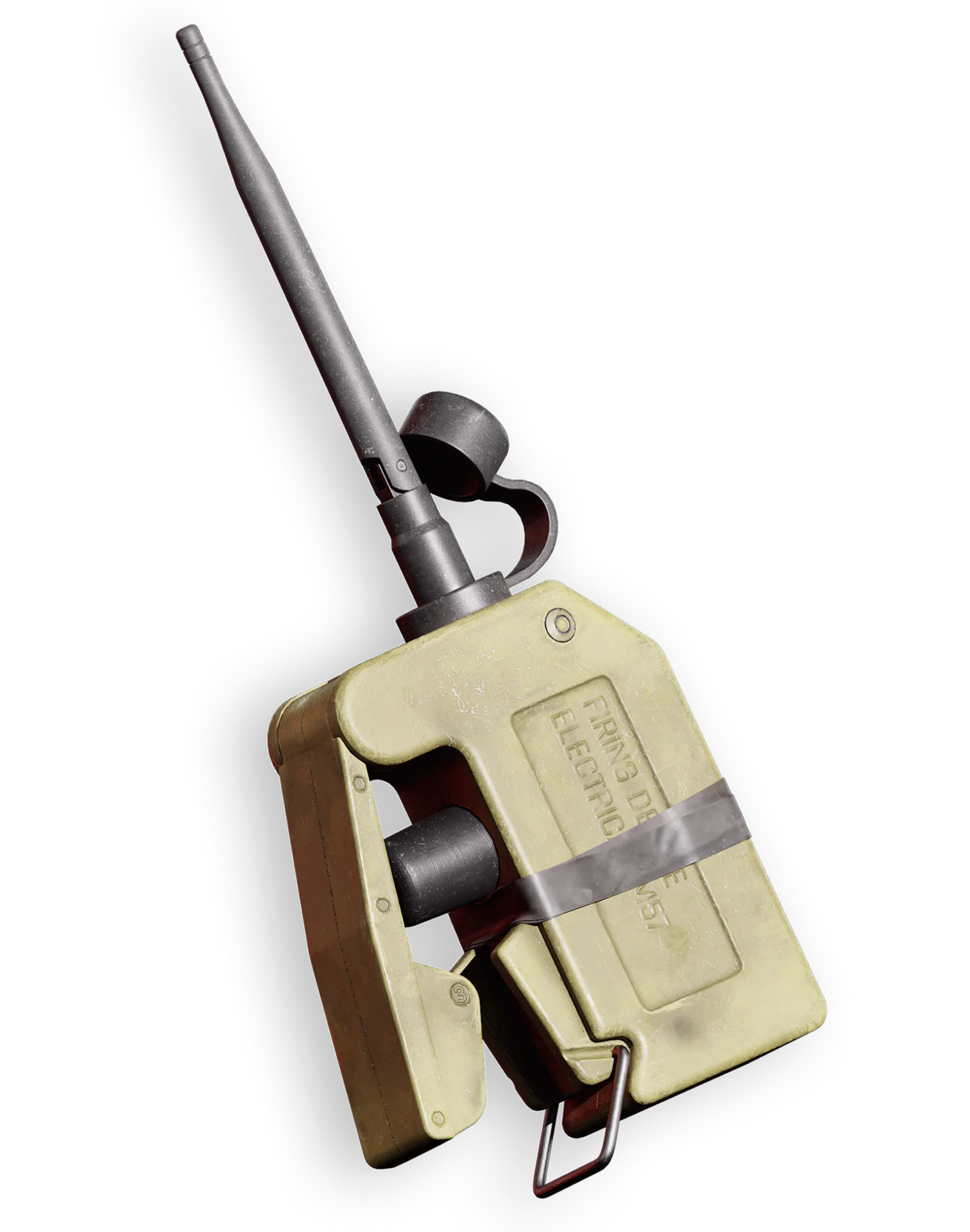
Nasty Rodent produced realistic military content for Squad across the pipeline: concept art and unique skins through to final assets for vehicles and weapons. The concept work was not a separate deliverable handed over and forgotten — it fed directly into assets we then built ourselves.
-
Other services
The studio provides full quality control - all tasks in development are controlled by internal lead artists and managers.
-
3D Weapons
From melee to sci-fi blasters — we craft detailed and functional weapon models with proper topology, textures, and LODs for all game types and platforms.

-
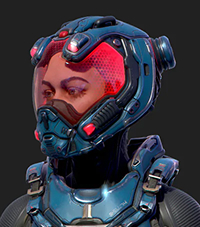
3D Characters
From stylized heroes to realistic NPCs, our 3D character models include clean topology, UVs, and rigs — ready for animation and real-time engines.
-
3D Environment
We build immersive 3D environments that set the tone and mood of your game. From stylized fantasy worlds to realistic battlefields — our scenes are optimized and ready for gameplay.
-
3D Prop
High-quality game-ready prop production with a focus on accuracy, clean topology, and efficient optimization. We create detailed hard-surface and organic props that meet technical requirements, maintain consistent style, and integrate seamlessly into any game environment.
-
UX\UI
We craft user-centered game interfaces that look great and feel intuitive. Menus, HUDs, icons — everything designed for clarity and player immersion.
-
3D VEHICLES
Realistic or stylized 3D vehicles for land, air, or space. We model drivable and modular vehicles that fit perfectly into your game’s style and performance needs


What we need
to estimate
your project
-
01
What will be built from it
A pitch image and a modelling document are different scopes
-
02
Concept list and type
Characters, environments, weapons, props, vehicles — different effort per unit
-
03
Reference, art bible or existing assets
Following rules is faster than defining them
-
04
Style target
Realistic rendering and stylized flat work are different pipelines
-
05
Exploration depth
How many directions you want to see before locking one
-
06
Documentation level
Orthographics, turnarounds and callouts — needed or not
-
07
Revision expectations
How many rounds your approval process realistically takes
-
08
Who approves
One art director and a committee are different timelines
-
09
Deadline
A fixed date changes team size, not just schedule
Start
gnawing
Hand us
your game
Nasty Rodent is a game art outsourcing studio that sinks its teeth into projects of any scale — from scrappy indie builds to full AAA worlds. We craft 3D characters, environments, weapons, props, concept art, and game UI/UX that power real gameplay and immersion. Ten years deep, 40+ artists strong, zero fluff. Bring us your game and get a free, no-pressure estimate tailored to your budget.
our teeth in
How we can work together
What You’ll Get
-
[ 1 ]
PROJECT-BASED
- A defined set of concepts with a defined outcome: a cast, an environment pack, a weapon line, an art bible. You approve the scope and the milestones, we deliver against them.
-
[ 2 ]
ONGOING SUPPORT
- A concept team that stays with your project and keeps the rules instead of relearning them each batch. On concept work this matters more than elsewhere — consistency of visual language is precisely the thing that decays when the artist changes.
-
[ 3 ]
OUTSTAFFING
- Our concept artists work inside your pipeline and your management. You direct day to day; we handle employment, replacement and cover.
The stack of technologies we use


-
Your concept art team
One team that designs and pressure-tests every concept — so what reaches your pipeline is a document your artists can build from, not a picture they have to interpret.
-
Art Director
Owns the visual rules and the call on when exploration stops and refinement begins; keeps every concept on-language across a whole cast, set or art bible.
-
Project Manager
Holds the brief, the revision rounds and the schedule, and makes sure feedback arrives consolidated per stage instead of continuously — which is what keeps a concept budget from drifting.
-
Lead Concept Artist
Sets the direction and the fidelity bar, runs the thumbnail-to-lock stage, and reviews the team's work so a batch of concepts reads as one hand rather than several.
-
Concept Artist
Takes a design from silhouette to production sheet: refined forms, material and colour callouts, orthographics and turnarounds in the format your 3D team actually consumes.
-
3D Artist (review)
The step most studios skip: a modeller opens the concept and checks it can actually be built — angles resolved, scale established, mechanics that work — before it ever reaches you.


Reviews from our satisfied customers

Join Customers
We've been working with Nasty Rodent since 2014 - and that says it all. On the Skies project, they delivered an entire 4 km² location with full content: props, buildings, NPCs, mobs. They took the task and just got it done. High quality, on time, no fuss. This is a studio you can trust.
03.03.2025
Nasty Rodent supported our large-scale game art production with 15+ specialists across props, characters, environments, weapons, concept art, and vehicles. They also helped structure pipelines, managed art direction, and coordinated the art team. A well-organized, reliable production partner with strong execution and clear communication.
01.06.2026
FAQ:
Concept Art for Games
What is concept art in game development?

Concept art is the visual design work done before production: deciding what characters, environments, weapons and props look like, and documenting those decisions clearly enough that a team can build from them. It is design work with an illustration output, not illustration work with a design side effect.
Concept art typically covers:
- Exploration — thumbnails and silhouettes to settle a direction cheaply
- Refinement — the approved design resolved to production fidelity
- Documentation — orthographics, callouts, scale references, turnarounds
- Style definition — the rules an entire project follows
What types of concepts do you create?
Characters, environments and levels, weapons, props, vehicles, and style exploration or full art bibles. Realistic and stylized, for PC, console and mobile. We work on single concepts and on complete pre-production packages.
Common requests:
- Character concepts with proportion sheets and gear breakdowns
- Environment and level concepts with modular and scale logic
- Weapon and prop concepts with orthographics and mechanical detail
- Vehicle concepts covering exteriors and interiors
- Art bibles defining the rules for an entire project
Do you deliver illustrations or production-ready documentation?
Both exist, and they are different products. A pitch image sells a direction to stakeholders. A production concept lets a modeller build without asking questions. We ask which one you need at the brief, because the scope and the price differ.
A production concept set usually includes:
- The refined design at the required fidelity
- Orthographic views and turnarounds
- Material and colour callouts
- Scale references against your existing assets
- Cross-sections where a mechanism has to work
Do you work in both realistic and stylized styles?
Yes. Realistic concepts are reference-driven with accurate proportion, material behaviour and mechanical logic. Stylized concepts follow a defined shape language with readability carried by silhouette and colour. Most projects need us to match an established look rather than invent one.
The practical difference:
- Realistic — reference-heavy, plausibility matters, detail carried by form
- Stylized — simplified shapes, deliberate colour, readability at small scale
- Either way — your existing assets and art bible are the brief
Can you match our existing visual style or art bible?
Yes, and it is our most common assignment. Send your art bible or a few finished assets and we reverse-engineer the rules: proportion system, shape language, material treatment, colour logic, level of stylization. New concepts then belong to your world instead of sitting beside it.
What we ask for:
- Your art bible, if one exists
- Two or three approved concepts or finished assets
- Screenshots in your actual in-game presentation
- Any rules you have already written down, however informally
Can your concepts be modelled directly by our 3D team?
That is the standard we build to. Concepts leave us with the angles resolved, materials named and scale established — the three things that most often send a modeller back with questions. Where the design will be modelled in the round, we include turnarounds rather than a single view.
What makes a concept buildable:
- Orthographic coverage, not one flattering angle
- Explicit material callouts instead of implied surfaces
- Scale established against a known reference
- Mechanical logic that resolves rather than suggests
- Availability from the concept artist while the asset is being built
How many revision rounds are included?
Revisions are agreed at the brief rather than left open, because unbounded revision is the most common way a concept budget disappears. We structure the process so most changes happen at the thumbnail stage, where they cost hours instead of days.
How we keep revisions contained:
- Multiple directions presented early, before detail exists
- An explicit direction lock — after it, refinement only
- Feedback consolidated per stage instead of arriving continuously
How much does concept art outsourcing cost?
Cost is driven less by the drawing than by the scope around it: how much exploration you want, and how much production documentation the concept has to carry. A single pitch image and a fully documented modelling sheet differ by a wide margin. We quote per project after a brief.
What moves the number most:
- Pitch image versus production-ready documentation
- Concept type — prop, character, environment, vehicle
- How many directions you want explored before locking one
- Whether an art bible exists or has to be created
- Revision rounds your approval process realistically needs
Can you take over concept work mid-production or extend an existing art bible?
Yes — extending an existing direction is usually easier than starting one, because the hardest decisions are already made. We read your bible and approved assets, deliver one calibration concept, and scale up only once that first piece matches what your team already has.
How the handover works:
- We review your art bible, approved concepts and finished assets
- One calibration concept is delivered and reviewed first
- Your naming, file structure and presentation format are adopted
- Throughput ramps only after that first piece is approved
Not sure where to start
or worried about
the estimate?
No pressure — just send us your idea or a rough brief, and we'll get back with a free consultation and a flexible estimate tailored to your goals.
- Transparent pricing
- Honest feedback
- No hidden costs - ever