Thank you!
Your request has been sent.
We'll review your request and get back to you within 1–2 business days.
Thanks for the feedback!
We appreciate you helping us improve.




Survival & Post-Apocalyptic Game Art Studio
Art for the
world after
Ruined environments, scavenged weapons, props, zombies and mutants for survival and post-apocalyptic games – from a survival MMORPG to two wasteland tactics titles.
Request a Quote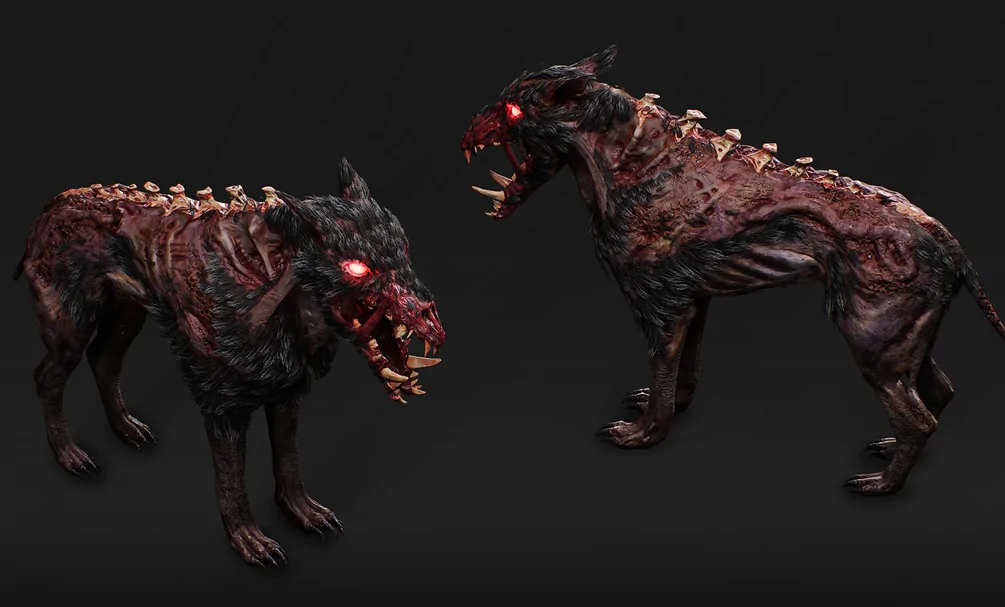


01 · The Genre
Survival & Post-Apocalyptic
Games
Survival and post-apocalyptic games are usually set after the world has broken: civilization has collapsed, resources are scarce and danger comes from the land, from creatures and from other survivors. Survival games turn that scarcity into mechanics such as gathering, crafting and staying alive, while a post-apocalyptic setting can frame almost any genre, from tactics to RPGs and MMOs.
For art, the setting is a story told through objects. A ruined building should show what it used to be and what happened to it; a weapon should look assembled from what survivors could find; a creature should hint at how the world changed. Decay has to be designed rather than random – rust, cracks, overgrowth and repairs follow rules, so the world feels consistent instead of simply dirty. And because players spend long hours searching these spaces, props and locations need enough variety to stay interesting without breaking the shared look.
Art for survival & post-apocalyptic: ruined environments · props · scavenged weapons · zombies & mutants · concept art
SUBGENRE 01
Online Survival & MMORPG
Players gather resources, craft gear and fight to hold their ground in a shared world. Factions, threats and safe zones need to be readable at a glance, because other players are part of the danger.
Art priority: zombie and human factions, crafted weapons, vehicles, repurposed buildings
Example: Wild Rage – survivors and zombies fighting over a ruined world
SUBGENRE 02
Wasteland Tactics
A squad picks its way through what is left, choosing fights carefully. Rubble, wrecks and broken walls become cover, so ruins have to work as gameplay space as well as scenery.
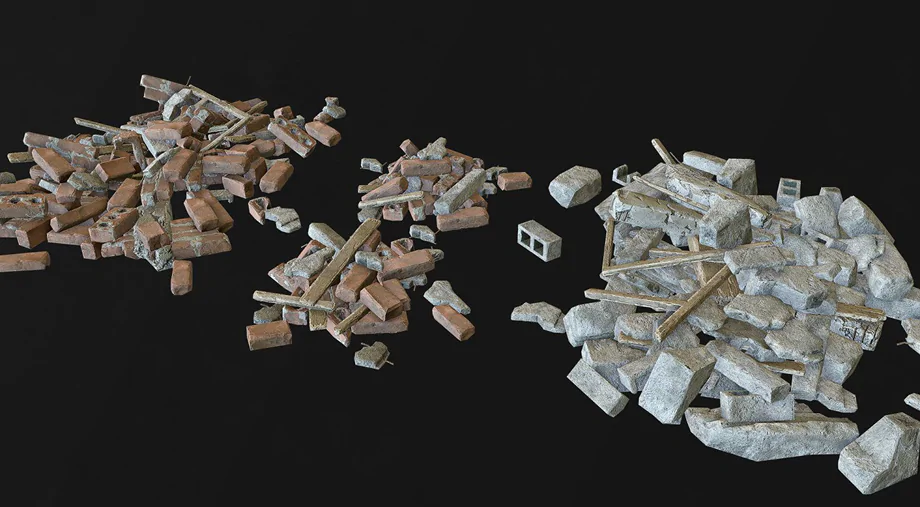
Art priority: rubble and debris sets, improvised weapons, mutants and creatures
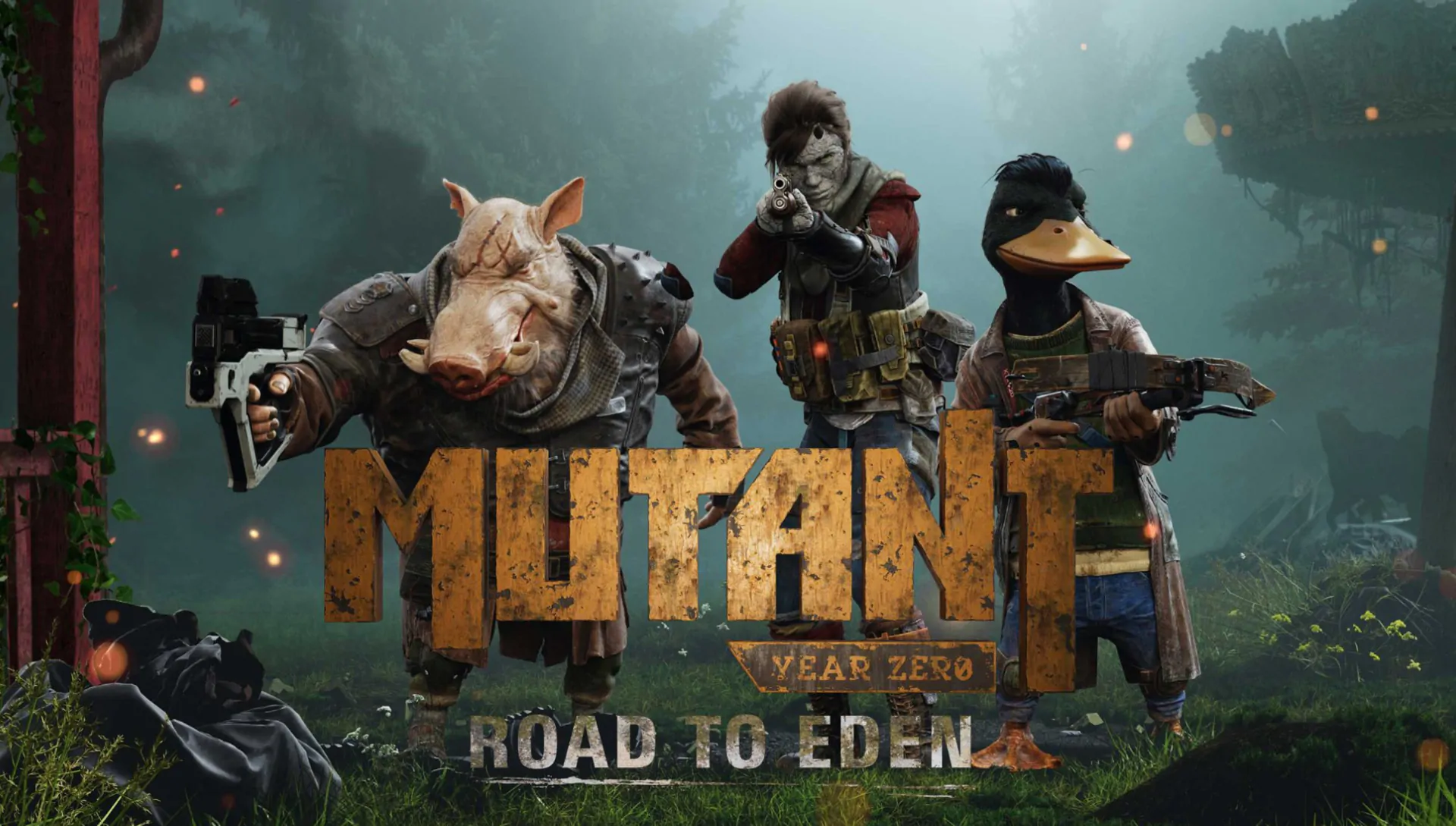
Example: Mutant Year Zero: Road to Eden – a team of mutants navigating a post-human Earth
SUBGENRE 03
Story-Driven Wasteland Adventure
A narrative journey through a land changed by catastrophe, where each region shows a different stage of collapse. Landmarks carry the story, so architecture and set dressing need a clear visual history.
Art priority: landmark buildings, industrial set dressing, signature weapons
Example: Miasma Chronicles – a wasteland torn apart by a force known as the Miasma
SUBGENRE 04
Open-World & Crafting Survival
Single-player or co-op survival in a large world, where everything found can become something useful. Resource props, crafting stations and base-building pieces are seen up close and used constantly.
Art priority: resource and loot props, modular building kits, tool and weapon tiers
Not yet a published case. What carries over: ruin and prop kits, scavenged weapons, creature work from the three games below
Building a post-apocalyptic shooter?
02 · Platforms
Where Survival Games Ship
Survival and post-apocalyptic games appear on PC, console and mobile. Large, cluttered ruins are demanding to render, so target platform, camera distance and memory budgets together decide how much debris and detail a scene can hold.


PC & Steam
Players explore slowly and look closely, so wear, rust and surface damage on props and weapons are noticed.
On PC
Mutant Year Zero: Road to Eden · Miasma Chronicles


PlayStation · Xbox
Dense ruins have to stay readable on a TV across the room, with important paths and cover kept clear of visual noise.
On console
Mutant Year Zero: Road to Eden (PS4, Xbox One) · Miasma Chronicles (PS5, Xbox Series X|S)

Nintendo Switch
A broken world on a handheld screen, with lighter scenes and fewer debris variations within tighter memory limits.
On Switch
Mutant Year Zero: Road to Eden
03 · Engine
Unreal Engine and Unity
with our art
Unreal Engine
and Whimsy Games
Two of our post-apocalyptic titles run on Unreal Engine – Mutant Year Zero: Road to Eden on UE4 and Miasma Chronicles on Unreal Engine – and Unity is part of our toolset. Ruin kits, props and weapons follow the scale, naming and material conventions agreed with your team. How decay and damage variants are built – in textures, in materials or as separate meshes – is decided together with your technical artists.
04 · Studios
Who We Build Post-Apocalyptic Worlds For
A broken world takes a lot of building: districts of ruins, piles of debris, improvised gear and creatures that tell players what went wrong. The right split between your team and ours depends on whether you need a look, a library or a living world.
| Studio | What you need | Typical scope | How we plug in |
|---|---|---|---|
| Online survival and MMO teams | One visual language for a large shared world | Factions, crafted weapons, vehicles, modular buildings | Full art direction or a long-term production team |
| Tactics and RPG studios | Ruins that work as gameplay space and tell a story | Rubble and cover sets, landmark buildings, signature weapons | A production team working to your art direction |
| Teams pitching a new survival game | A believable world for a first playable area | Concept art, one ruined location, a creature, a weapon set | A concept-first engagement before full production |
05 · How We Work
Direct, Subcontract
or Part of Your Team
Survival worlds tend to grow after launch – new regions, threats and gear. Pick the setup for the stage you are in now; it can change as the world expands.
Direct Engagement
You give us a district, a faction or a weapon line, and our team delivers it end to end with its own art director and project manager, keeping you updated at each review.
Subcontract (White-Label)
For co-development partners and lead studios: we work under your NDA and your brand, and the assets are delivered as your own.
Discuss a white-label projectTeam Extension
Our artists join your pipeline and follow your art direction. You run the process; we add the capacity and the skill.
Ruin & Prop Kits
Large survival worlds are built from reusable pieces. We can produce modular ruins, debris sets and prop families with damage and wear variants, so your level designers can dress new areas without new art each time.
06 · Cases
Post-Apocalyptic Games With Our Art
Three post-apocalyptic worlds for two clients: an online survival game with full art direction from our side, and two wasteland tactics titles for The Bearded Ladies.
Wild Rage
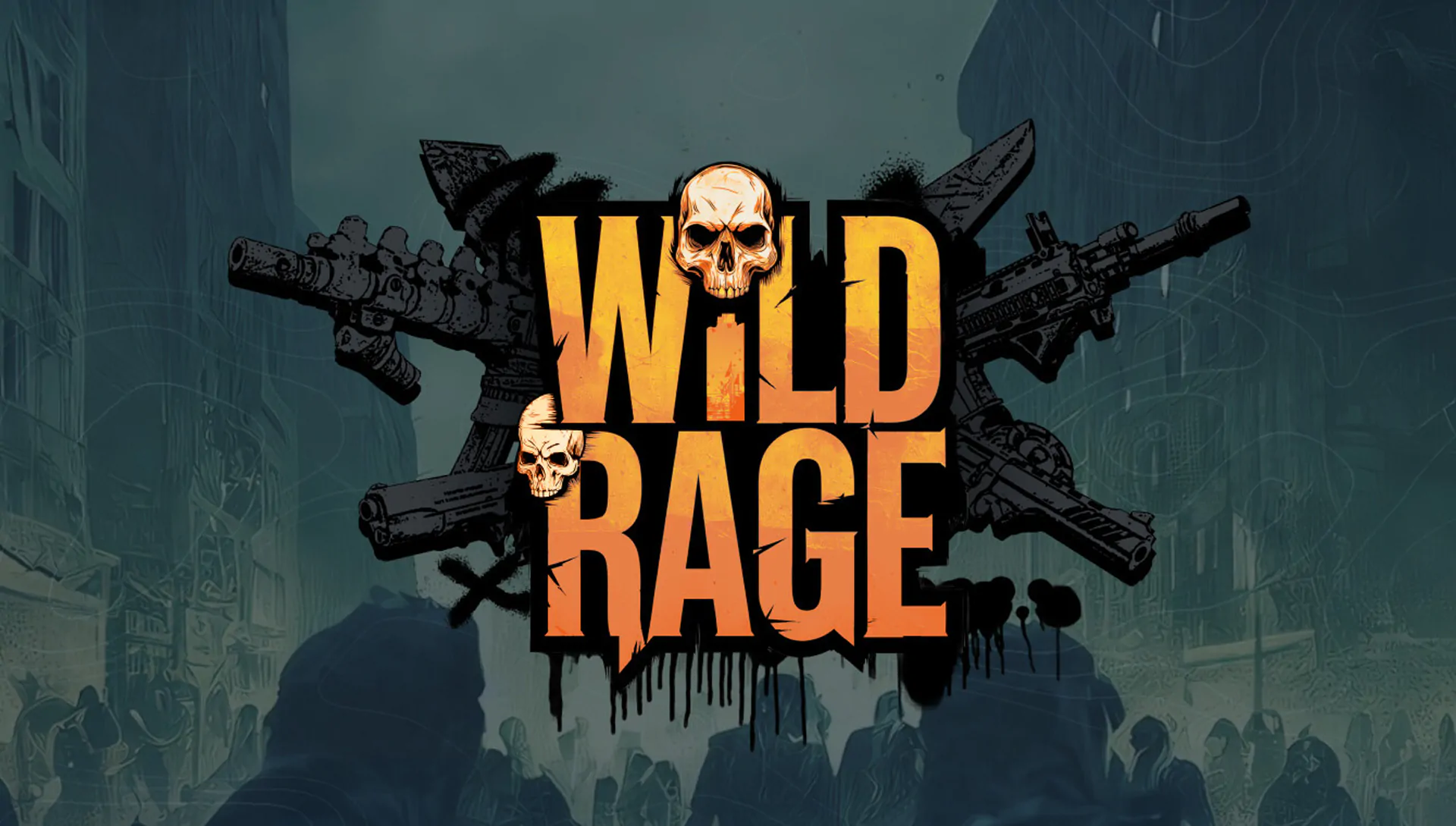
Survival MMORPG by Whimsy Games: a ruined world split between people and the undead. Under our own art direction we created concept art, zombie characters with rigging, weapons such as a skull-marked assault rifle, props, vehicles and environment assets including repurposed buildings like an isometric supermarket.
View the Wild Rage case
Mutant Year Zero: Road to Eden
Tactics game by The Bearded Ladies in which a team of mutants navigates a post-human Earth. Our work spanned weapons such as a scrap-built shotgun, props, environment assets including brick, concrete and wooden rubble sets, and the game's characters and creatures.
View the Mutant Year Zero case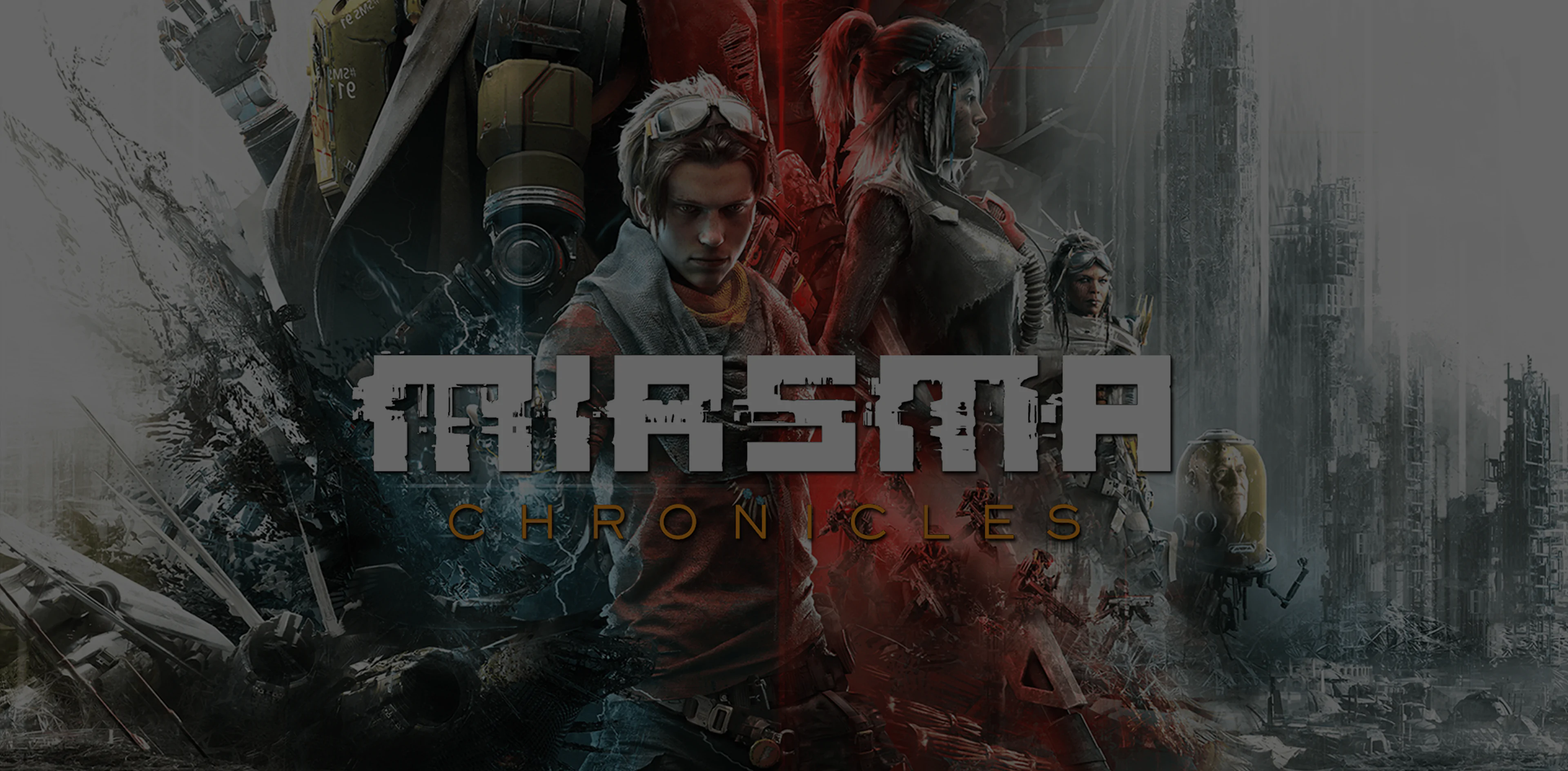
Miasma Chronicles
Tactical adventure by The Bearded Ladies, published by 505 Games, set in a wasteland torn apart by the Miasma. Our share of the wasteland: heavy and sci-fi weapons, an abandoned building, an antenna tower, industrial set dressing and other props and environment assets.
View the Miasma Chronicles caseFAQ's: Survival & Post-Apocalyptic Art
What makes post-apocalyptic game art different from other settings?

How do you make ruins look believable instead of random?
Can you design scavenged and improvised weapons?
Do you create zombies, mutants and creatures?
Can you build modular ruin and debris kits for a large world?
How do I get an estimate for my survival or post-apocalyptic game?
Building
a World After the End?
Tell us about your wasteland – the ruins, the survivors, the threats and the gear. We reply with questions and a draft scope in 1–2 business days.
- Transparent pricing
- Honest feedback
- No hidden costs - ever