Thank you!
Your request has been sent.
We'll review your request and get back to you within 1–2 business days.
Thanks for the feedback!
We appreciate you helping us improve.




Sci-Fi & Military Game Art Studio
Hardware that looks
like it works
Weapons, vehicles, props and environments for military and science-fiction games – production art from Squad, Starship Troopers: Extermination, La Quimera and Corruption 2029.
Request a Quote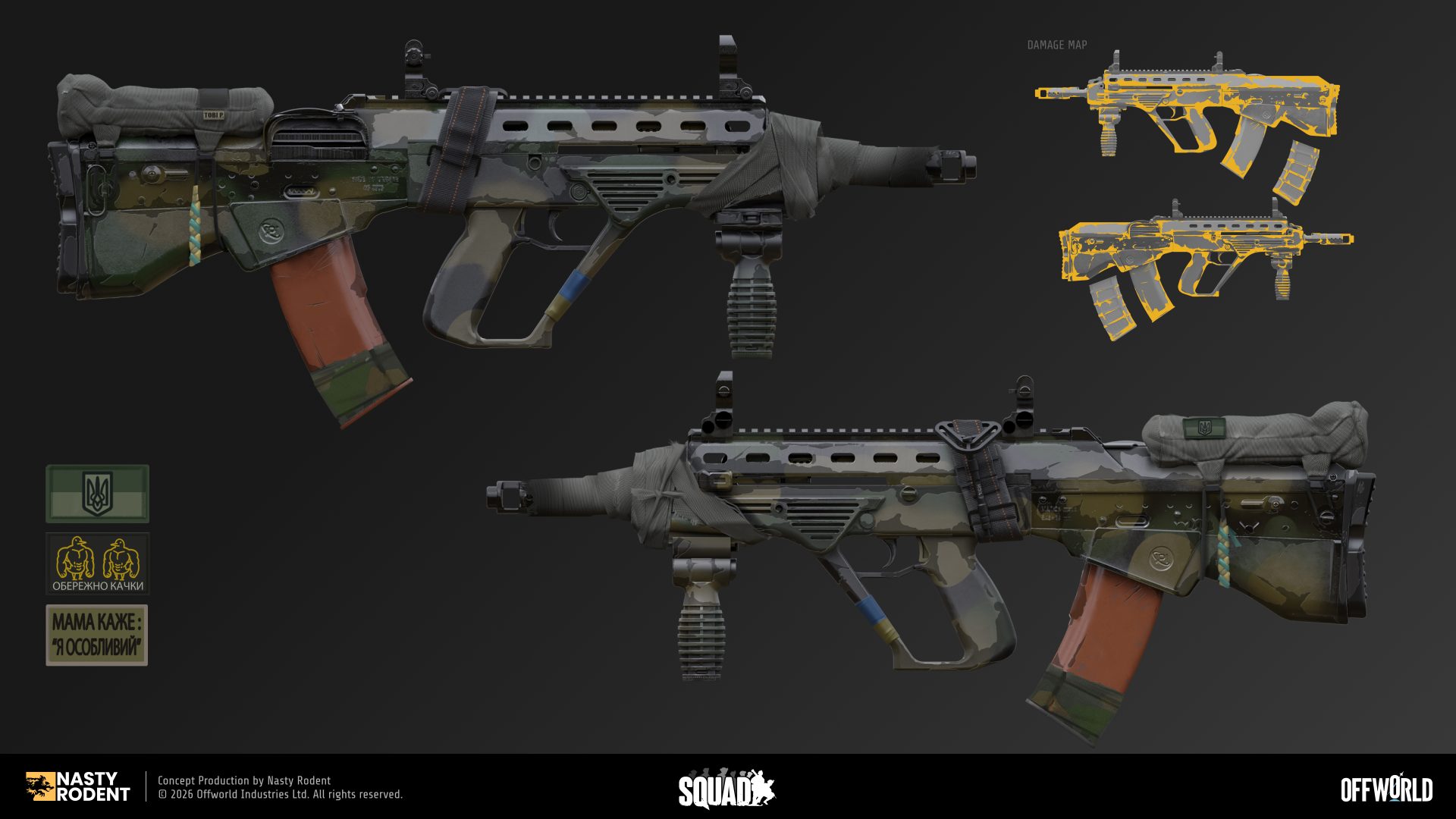


01 · The Genre
Sci-Fi & Military Games
Sci-fi and military games are built around armed conflict and the hardware that fights it. Military games draw on real-world forces, weapons and vehicles, while sci-fi games carry that conflict into the future, into space or into an invented world. Many titles blend the two: soldiers and machines that feel grounded, fighting in settings that never existed.
For art, the genre splits into two kinds of hardware. Real equipment is judged against the original, because many players know it and notice a wrong panel line, sight or rotor. Invented equipment is judged on whether it feels engineered: it needs a clear design language, believable function and wear, so a weapon never looks like a prop. Either way, hard-surface assets are seen up close and at distance, they carry faction identity, and they stay in the player's view for the whole session.
Art for sci-fi & military: weapons · vehicles · props · environments · concept art
SUBGENRE 01
Modern Military Simulation
Present-day forces, real equipment and combined-arms play. Players know the hardware, so accuracy to the original is part of the product.
Art priority: real-world weapons and vehicles built from technical reference, realistic weapon sets, unique skins
Example: Squad – 100-player tactical military FPS
SUBGENRE 02
Military Sci-Fi & Space Warfare
Soldiers fighting an interstellar enemy with technology that exists only in the fiction. The look still has to feel military: practical, worn, built to be used.
Art priority: modular prop kits, sci-fi environment sets, aircraft and ships that match the established universe
Example: Starship Troopers: Extermination – 16-player co-op FPS against the Bugs
SUBGENRE 03
Dystopian Near-Future Conflict
A world a few decades from now, with mercenaries, corporations and advanced weapons. The hardware is invented, but it should look like an extension of what exists today.
Art priority: concept-led weapon design, futuristic weapons and props, skin variants
Example: La Quimera – story-driven FPS in dystopian future Latin America
SUBGENRE 04
Tactical Military Strategy
War seen from a distance, with a squad on a map and turns that decide the outcome. Vehicles, weapons and cover must read at the camera height before any detail is noticed.
Art priority: vehicles with clear silhouettes, weapons recognizable at map distance, cover props
Example: Corruption 2029 – turn-based tactics in a war-torn America
Looking at the genre from the gameplay side?
See our tactical & FPS shooter game art and tactics & strategy game art.
02 · What changes in production
Real vs Invented Hardware
Most projects mix both worlds, but the brief reads differently depending on where the hardware comes from.
| Real-world military hardware | Invented sci-fi hardware | |
|---|---|---|
| Starting point | Technical and visual reference of the real machine | Concept art or a fictional design language |
| Weapons | Proportions, mechanisms and configuration of the real model | Believable function and one recognizable look per faction |
| Vehicles | Faithful to the reference and built for use in the game | Form that matches purpose and the rules of the universe |
| Environments | Recognizable military and industrial structures | Architecture and technology with rules of their own |
| What the art director guards | Fidelity to the original | Consistency inside the fiction |
03 · Platforms
Where Sci-Fi and Military Games Ship
Military and sci-fi games found their audience on PC, and the platform is still where most of them start. Bigger productions now add PlayStation and Xbox, so one hardware library has to look right on a desk monitor and on a living-room TV.


PC & Steam
Players sit close, run high resolutions and study their loadout. Weapon and vehicle detail gets the most scrutiny here, so material quality and panel logic are visible.
On PC
Squad · Starship Troopers: Extermination · La Quimera · Corruption 2029


PlayStation · Xbox
Couch distance and fixed memory. Strong silhouettes and clear material separation carry the read, and the technical budget is set with you at the start.
On console
Starship Troopers: Extermination (PS5, Xbox Series X|S)
04 · Engine
Unreal Engine
with our art run on
Unreal Engine
Engine 5
Engine 4
All four games in this genre portfolio were built on Unreal Engine. Before production we agree your naming, materials, LODs, collision and texture limits, then test each asset in the engine before it reaches you.
Squad: UE5 · Starship Troopers: Extermination: UE5 · La Quimera: UE4 (modified) · Corruption 2029: UE4
05 · By Studio
Who We Build Sci-Fi & Military Art For
Hard-surface scope grows fast: every faction needs its own weapons, vehicles and props, and every variant multiplies the list. The right setup depends on how much of that library your team wants to own.
| Studio | What you need | Typical scope | How we plug in |
|---|---|---|---|
| Independent and AA military studios | Hardware capacity without a full in-house hard-surface team | Weapon and vehicle lines, prop sets, environment kits | A dedicated team under our art director |
| Teams with a fictional universe | A consistent look for invented factions and technology | Concept-led weapons, sci-fi props, skin variants | A long-term partner working to your art bible |
| First-time and pre-production teams | A hero weapon or vehicle that sells the game to a publisher | One weapon, one vehicle, one key location | A fixed-scope pilot, then production |
Scoping the art for your first playable slice
06 · How We Work
Direct, Subcontract or Part of Your Team
Sci-fi and military productions grow in waves: first the core arsenal, then new factions, seasons and expansions. Choose the setup for the stretch you are in – it can change as the project does.
Direct Engagement
You hand over an asset list – a weapon line, a vehicle pool, a set of locations – and we run it end to end, with an art director and a project manager on our side reporting to you.
Subcontract (White-Label)
For co-development partners and lead studios: we produce under your brand and your NDA, and the delivery goes out in your name.
Discuss a white-label projectTeam Extension
Our artists work within your pipeline and under your art direction – you run the process, we add the capacity and the skill.
Real or Invented Hardware
Real equipment is built from technical reference, with manufacturer markings and branding agreed at the brief because they depend on your licensing position. Invented equipment starts from your design language or from concept art, so every weapon and vehicle belongs to one world.
07 · Cases
Military & Sci-Fi Games With Our Art
Four titles, four settings – from present-day warfare to a war against alien Bugs, a dystopian near future and a war-torn America.
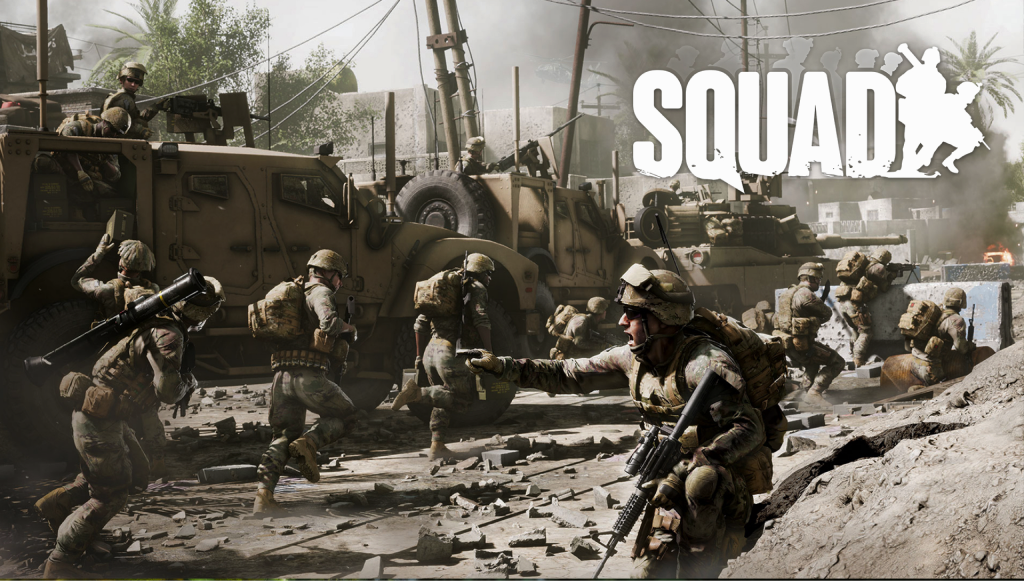
Squad
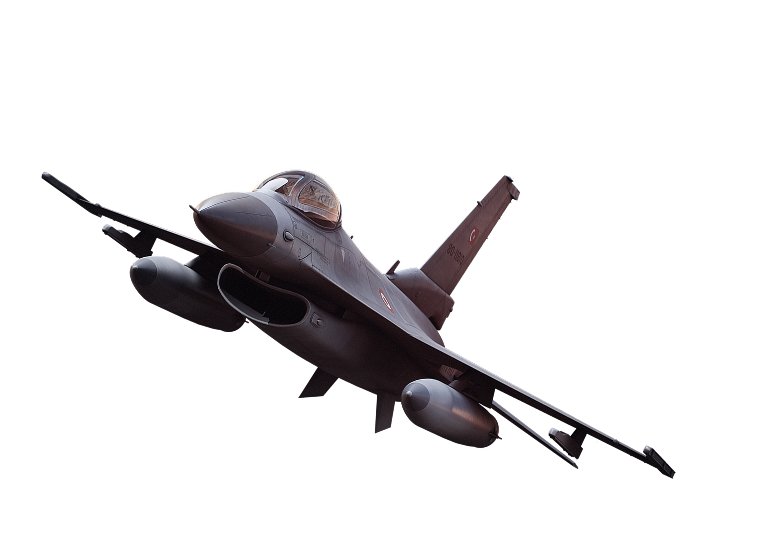
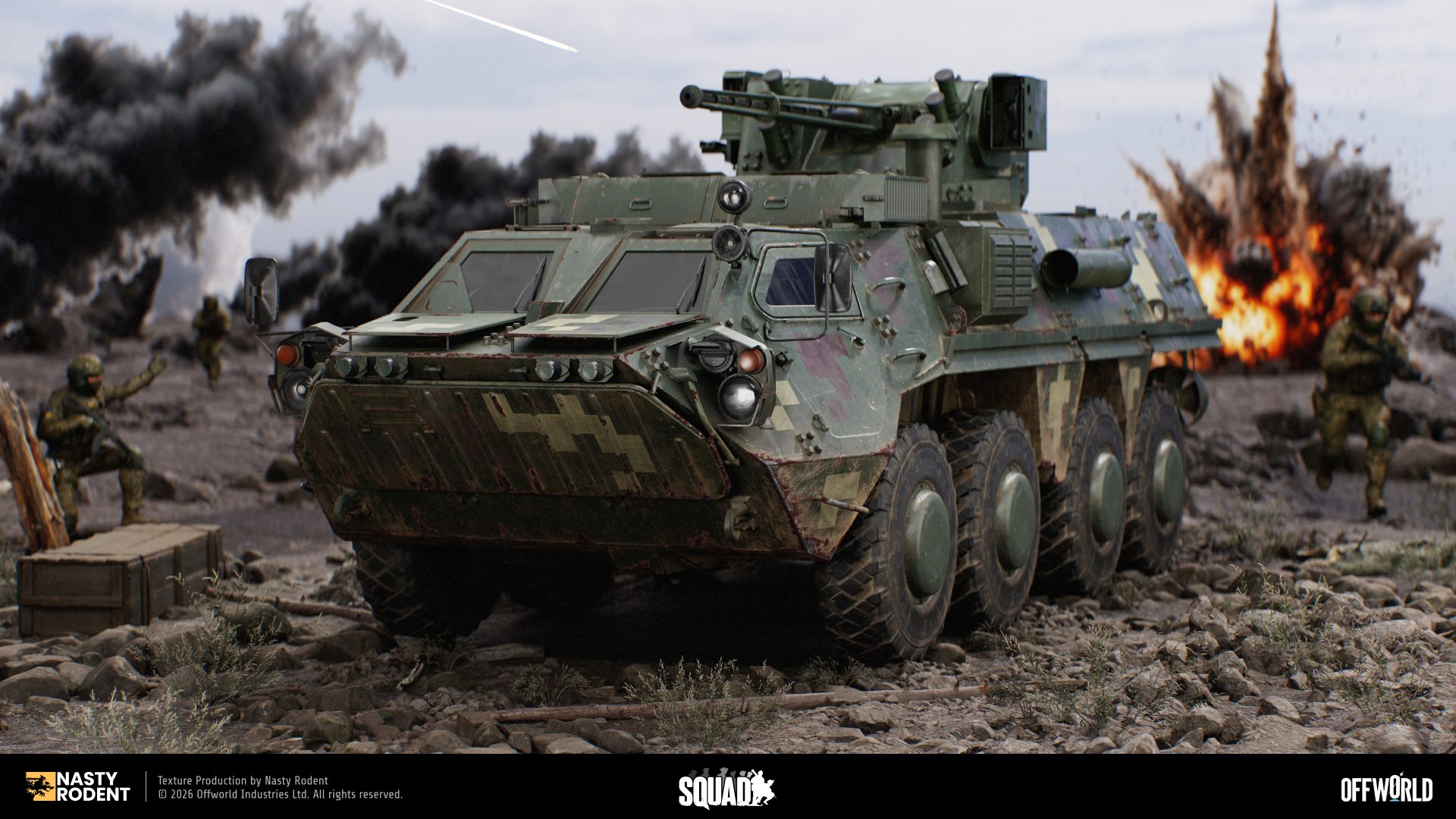
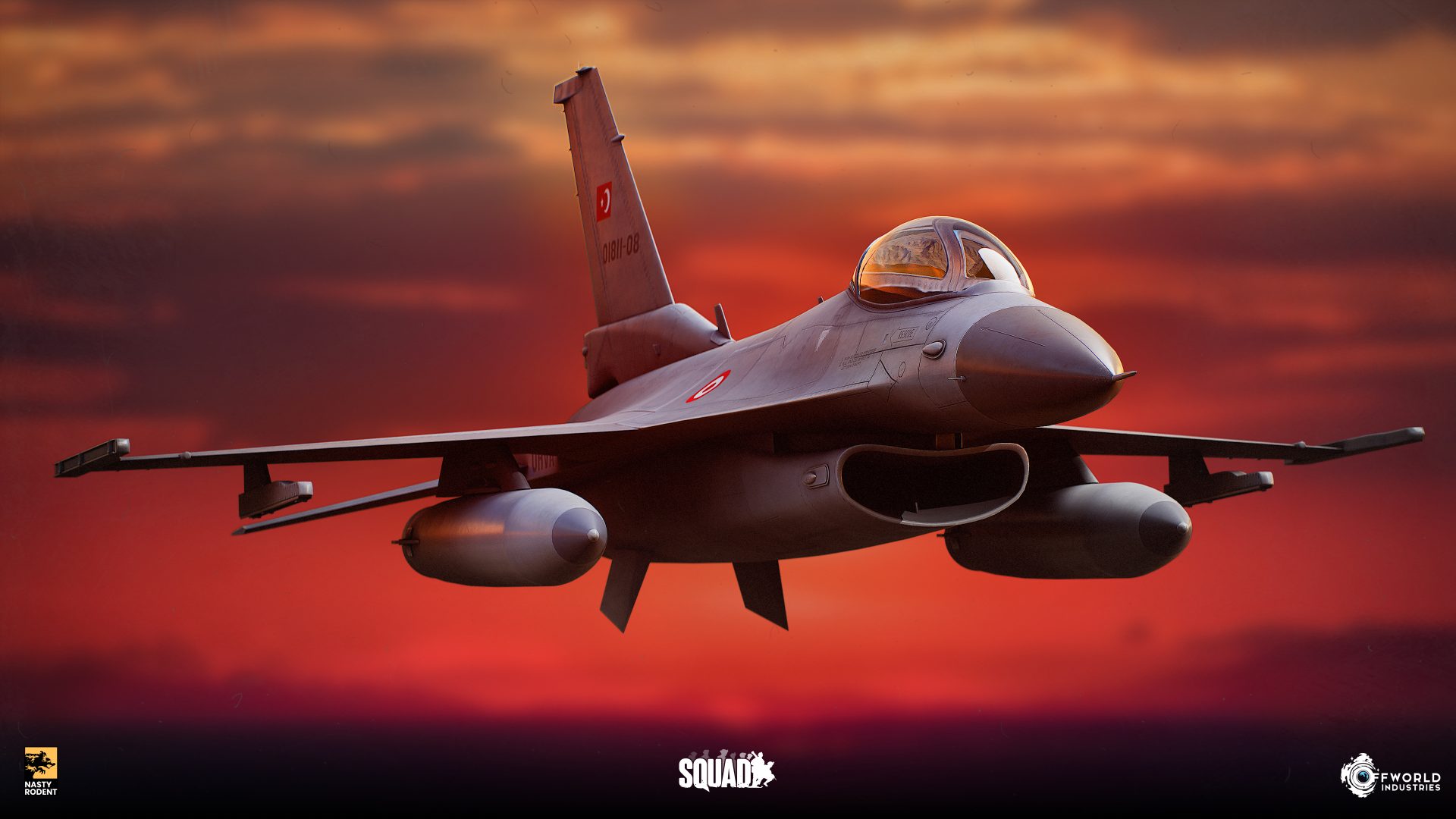
Offworld Industries' tactical military shooter, where large teams fight together with infantry and vehicles. Our team made realistic military content: finished weapons and vehicles, from helicopters and an armored personnel carrier to an F-16 and a UAV, with concept art for unique weapon skins.
View the Squad case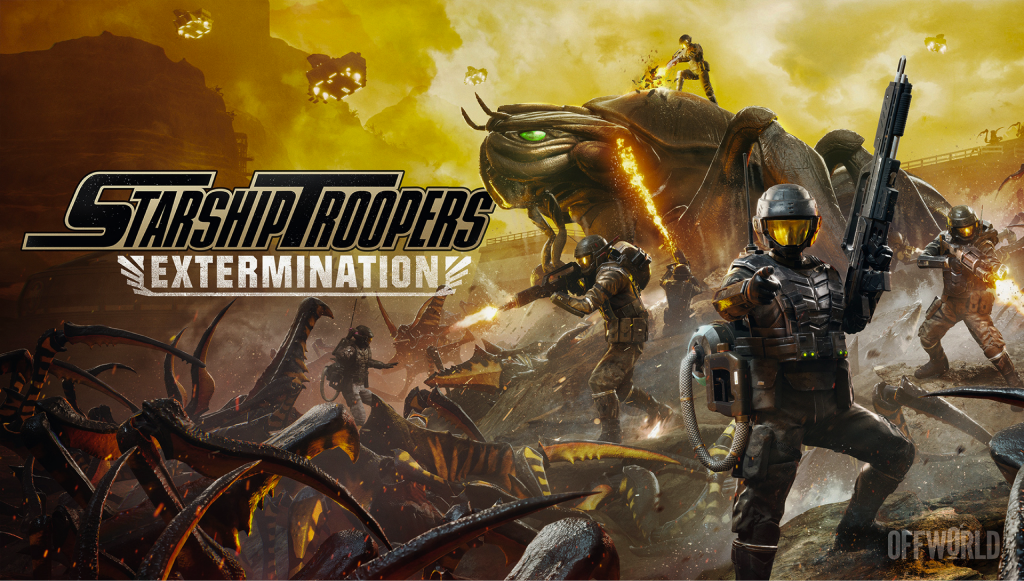
Starship Troopers: Extermination
Offworld Industries' co-op shooter for up to 16 players, fought on distant frontlines against the Bugs. We contributed props and environment assets, supported the development of game locations and produced aircraft.
View the Starship Troopers: Extermination case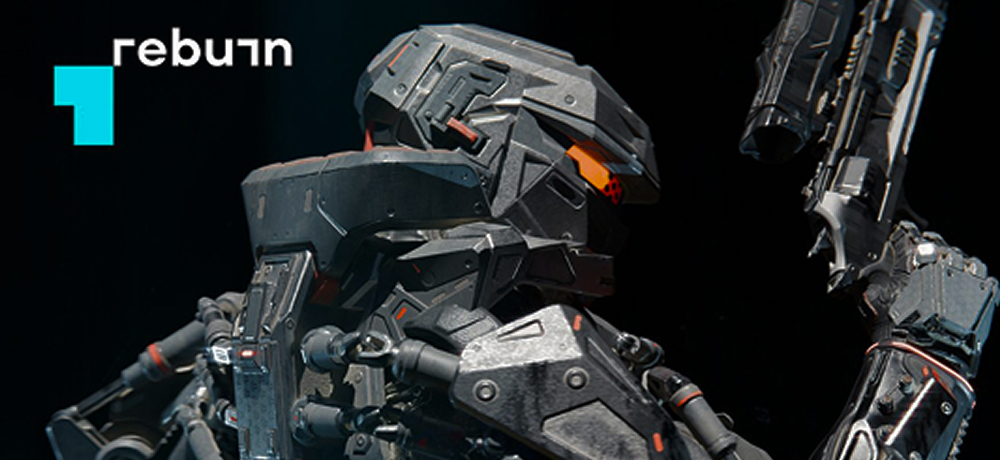
La Quimera
Reburn's story-driven shooter, set in a future Latin America where microstates hire mercenary forces. Our work covered weapons and props in the game's own visual style, plus concepts for weapon skins.
View the La Quimera case
Corruption 2029
Hardcore turn-based tactics by The Bearded Ladies, with a squad of four in a war-torn America. Our focus was realistic vehicles and weapons, with props for the game as well.
View the Corruption 2029 caseFAQ's: Sci-Fi & Military Art
What art does a sci-fi or military game need from an outsourcing studio?

Can you model real-world military weapons and vehicles?
Can you design and build fictional sci-fi hardware?
Do you also create soldiers, armor and creatures?
Can you match the style of our existing assets?
How do I get an estimate for my sci-fi or military game?
Building a sci-fi
or military game?
Tell us about your factions, your arsenal and the world they fight in. We come back with questions and a draft scope in 1–2 business days.
- Transparent pricing
- Honest feedback
- No hidden costs - ever