Thank you!
Your request has been sent.
We'll review your request and get back to you within 1–2 business days.
Thanks for the feedback!
We appreciate you helping us improve.




Horror Game Art Studio
Fear starts with
what players see
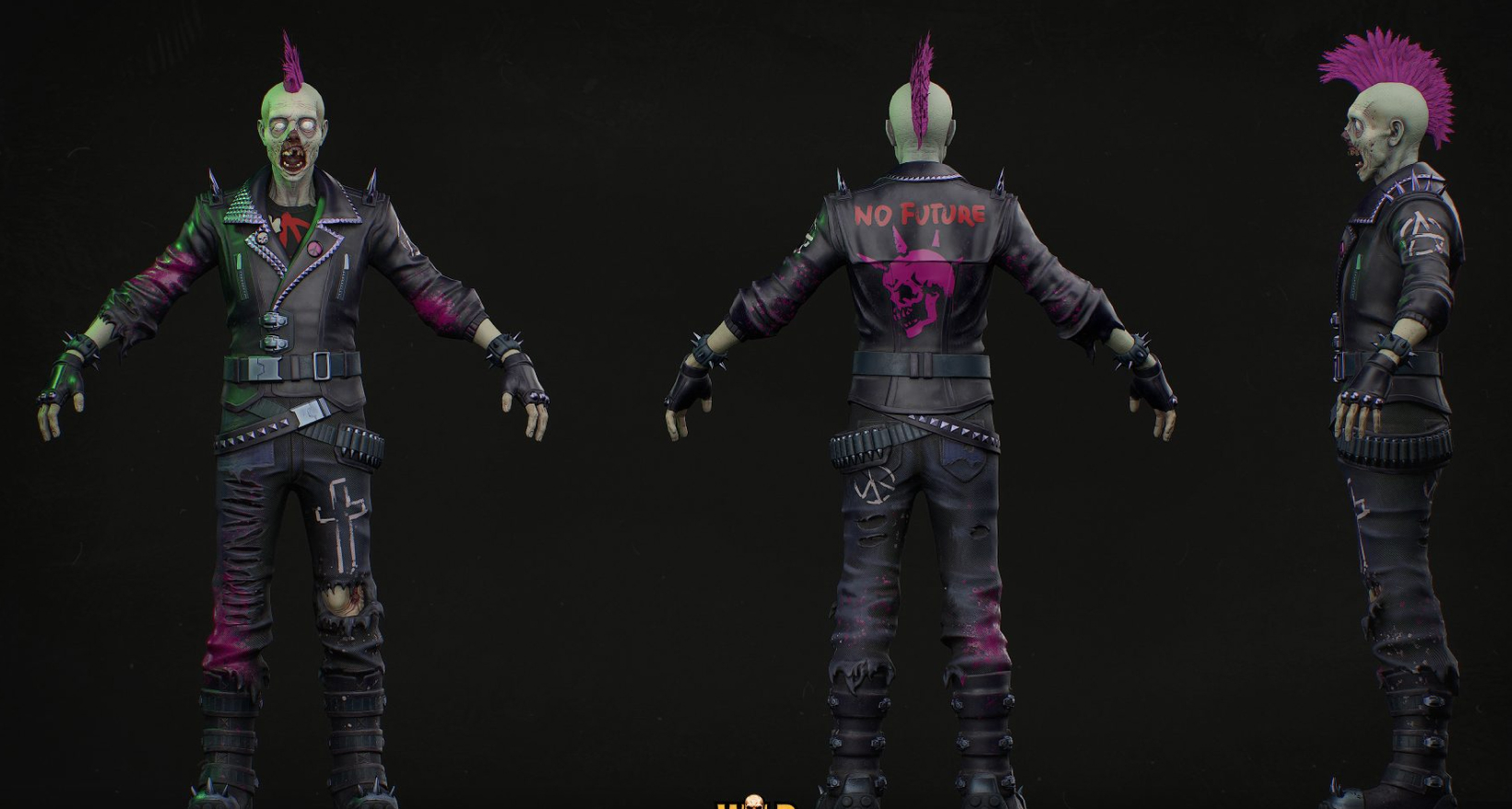
Creatures, zombies, props, weapons and environments for horror games – from zombie characters on Wild Rage to creature design on Mutant Year Zero.
Request a Quote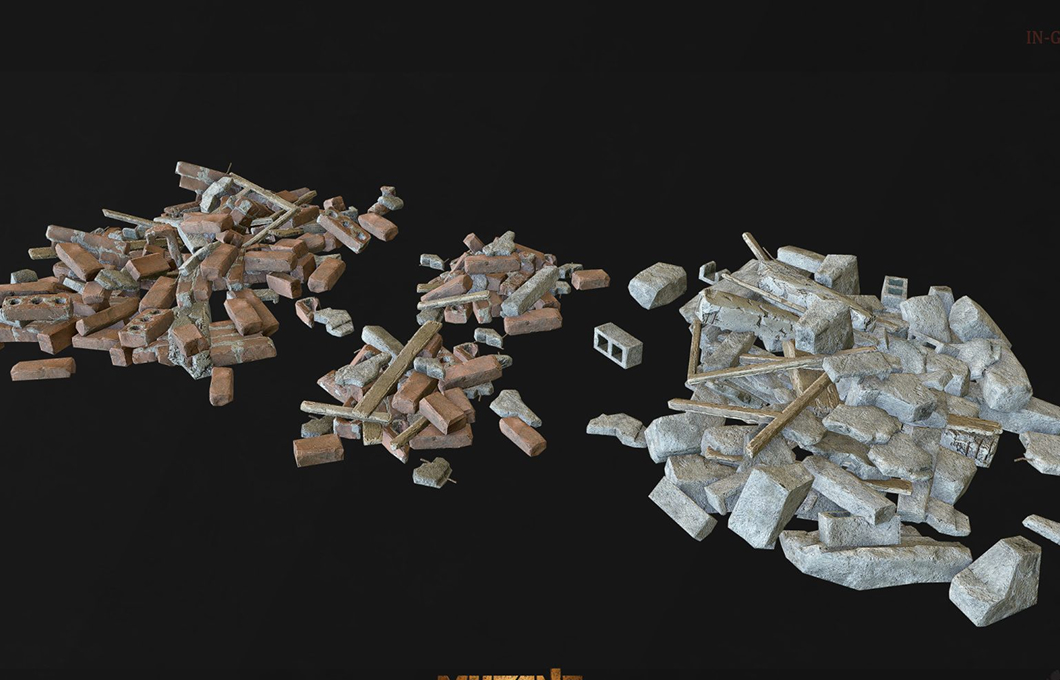


01 · The Genre
Horror Games
Horror games are built to create fear, dread or unease. They are defined by tone rather than one mechanic, so they span survival horror, psychological horror, action horror and multiplayer hunts, and the methods vary: vulnerability, uncertainty, disturbing imagery, atmosphere and direct confrontation can all shape the experience.
For art, fear is designed. Lighting and shadow shape what the player sees, so, depending on the scene, assets may need to stay recognizable in low light, during a brief reveal or under changing illumination. Silhouettes often carry the scare, and a prop or a stain can tell the player what happened in a room before any text does. What is hidden can matter as much as what is shown. Visual style varies widely: many recent indie horror games lean on retro low-poly looks, while others aim for realism.
Art for horror: creatures & characters · props · environments · weapons · concept art
SUBGENRE 01
Survival Horror
Survival horror often builds tension through limited resources, vulnerability, exploration and constrained choices. Environments, props and creature designs support the sense of risk while keeping gameplay information readable.
Art priority: dense interiors with storytelling props, a few memorable weapons, creatures with menacing silhouettes
Genre example: Resident Evil – Capcom's survival horror series
SUBGENRE 02
Psychological Horror
Fear comes from unease rather than gore: places that feel wrong, characters that are slightly off, details the player is not sure they saw.
Art priority: environments and lighting mood, subtle prop details, uncanny character design
Genre example: Silent Hill, Amnesia
SUBGENRE 03
Action Horror
Dread mixed with combat. The player fights back, so weapons, enemy variety and arenas matter as much as the atmosphere.
Art priority: enemy roster with readable variants, weapon sets, environment kits built for fights
Genre example: Dead Space, Left 4 Dead
SUBGENRE 04
Multiplayer & Asymmetric Horror
One side hunts, the other survives, or a team faces the horror together. Repeated play puts the same killers, monsters and maps in front of players for hundreds of matches.
Art priority: distinctive monster and killer designs, reusable maps, character variants
Genre example: Dead by Daylight
Horror in a post-apocalyptic world?
See our survival & post-apocalyptic game art.
02 · Platforms
Where Horror Games Ship
Horror runs on PC, consoles and phones. Horror scenes often rely on subtle gradients, surface detail and controlled visibility, and texture compression, material response, shadow quality and display conditions can change how they appear on different devices.


PC & Steam
High resolutions and close cameras put surface detail under a flashlight beam, so texture and material quality show.


PlayStation · Xbox
Controller play, TV viewing distance and fixed memory budgets. Silhouettes and shape language have to read in dim scenes, and budgets are agreed at the start.
Game release on console
Mutant Year Zero: Road to Eden (PS4, Xbox One)

Mobile
Small screens and mid-range hardware. Monsters and key props are planned so they stay readable and unsettling within the limits of the weakest device you support.
03 · Engine
Unreal Engine and Unity
environment
Horror assets are sensitive to lighting, materials and camera distance. We prepare models, textures and other agreed deliverables to your engine's technical specifications, including naming, material setup, geometry budgets and collision or LOD requirements where applicable. In-engine validation and testing under the project's lighting are included when agreed as part of the scope.
04 · By Studio
Who We Build Horror Art For
Horror projects may rely heavily on a distinctive visual identity, memorable creatures and carefully designed locations. The right outsourcing scope depends on what your internal team owns and which art disciplines need extra capacity.
| Studio | What you need | Typical scope | How we plug in |
|---|---|---|---|
| Independent horror studios | Strong atmosphere from a focused team and budget | Creatures, key props, environment kits | A dedicated team under our art director |
| Survival and action studios | Enemy variety and weapons that keep the dread alive | Creature roster, zombie variants, weapon sets | Ongoing production batches against your art bible |
| Teams in pre-production | A look that proves the game's mood to a publisher | A mood keyframe, one hero creature, one location | A fixed-scope pilot, then production |
Scoping the art for your first playable slice
05 · How We Work
Direct, Subcontract or Part of Your Team
Horror productions often start with a mood and a monster, then grow into a full game. Choose the setup for the stretch you are in – it can change as the project does.
Direct Engagement
You define the scope – a creature roster, a set of rooms, a weapon line – and we deliver it with our own art director and project manager, reporting progress and builds to you.
Subcontract (White-Label)
For co-development partners and lead studios: we produce under your brand and your NDA, and the delivery goes out in your name.
Discuss a white-label projectTeam Extension
Our artists work within your pipeline and under your art direction – you run the process, we add the capacity and the skill.
Concept to Creature
Creature production can begin with mood boards, exploratory concepts and approved design sheets before moving into 3D modeling. Throughout production, we align the creature's silhouette, anatomy and visual details with the approved direction and the project's technical requirements. Rigging, animation and engine integration are scoped separately where needed.
06 · Cases
Closest Horror Experience
These projects are our closest work: zombie characters, a mutant creature and a horror mood piece from our concept portfolio. We have no horror cases yet – be the first.

Wild Rage
Survival MMORPG by Whimsy Games, built on the conflict between zombies and humans. We led art direction and produced concept art, character designs including zombies, weapons, props, vehicles and environment assets.
View the Wild Rage case
Mutant Year Zero: Road to Eden
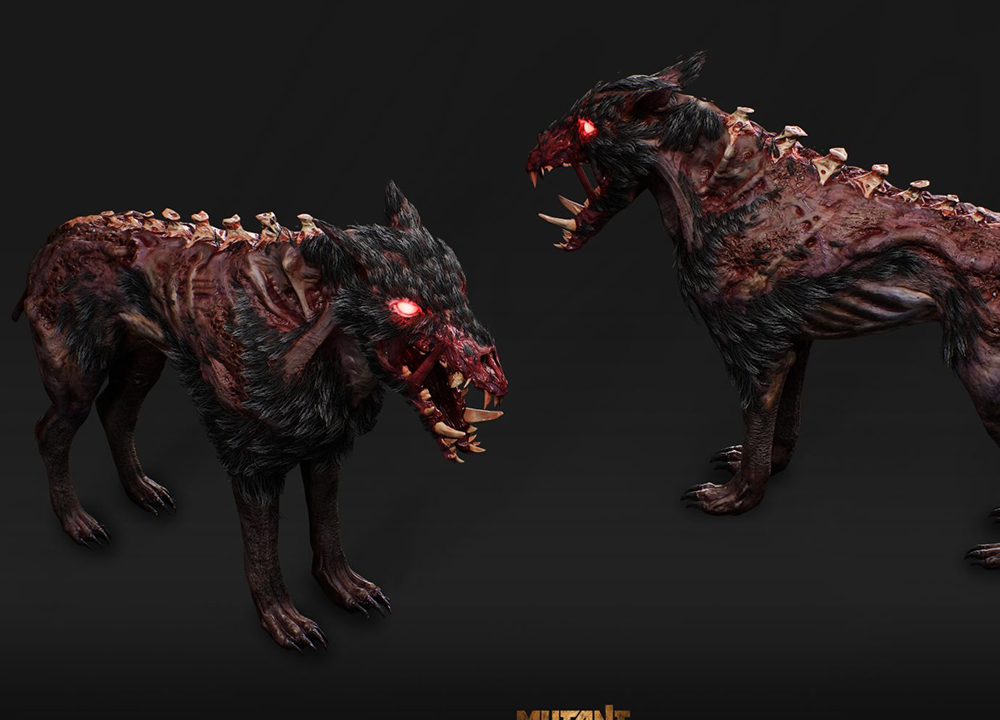
Tactical game by The Bearded Ladies, where a team of mutants crosses a post-human Earth. We delivered weapons, props and environment assets, along with characters and creatures, among them a mutated wolf.
View the Mutant Year Zero case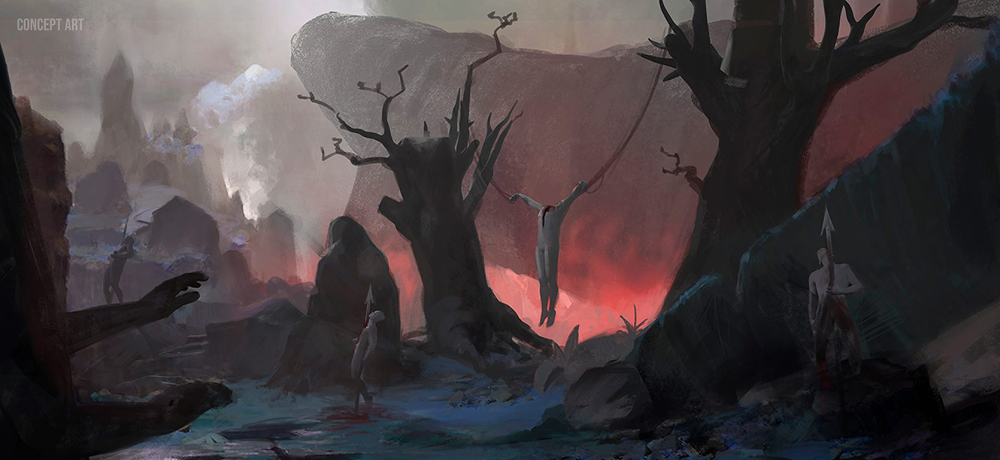
Horror Mood Keyframe
A dark forest concept with bodies in the trees and blood mist, from our realistic concept art portfolio. It is a keyframe that sets the tone and lighting of a location before production starts. It is a portfolio piece, not a client case.
07 · The Evidence
What Is Confirmed and What We Agree With You
| Art category | Delivered on our projects | Agreed with you at the brief |
|---|---|---|
| Zombie characters | Wild Rage | Variants, damage states, level of detail |
| Creatures | Mutant Year Zero | Silhouette, anatomy references, animation needs |
| Ruined and hostile environments | Wild Rage, Mutant Year Zero | Modular kit size, storytelling props |
| Weapons and props | Wild Rage, Mutant Year Zero | Scarcity and rarity rules from your design |
| Horror mood concepts | Portfolio piece | Tone boards, lighting references |
| A published horror title | Not yet | – |
| Scare timing, sound and final level lighting | Not demonstrated by these projects | Scope agreed separately |
FAQ's: Horror Game Art
What makes horror game art different from other genres?

Do you have horror games in your portfolio?
Can you design and build creatures and monsters?
Can you build environments that work in low light?
Do you handle scare design, level lighting and sound?
How do I get an estimate for my horror game?
Building a
horror game?
Tell us about your monsters, your locations and the mood you want. We come back with questions and a draft scope in 1–2 business days.
- Transparent pricing
- Honest feedback
- No hidden costs - ever