Thank you!
Your request has been sent.
We'll review your request and get back to you within 1–2 business days.
Thanks for the feedback!
We appreciate you helping us improve.




Extraction & Battle Royale Shooter Art Studio
Loot worth
fighting for
Weapons, loot props, vehicles and environments for extraction and battle royale shooters – built on shooter production from Squad, Starship Troopers: Extermination and La Quimera.
Request a Quote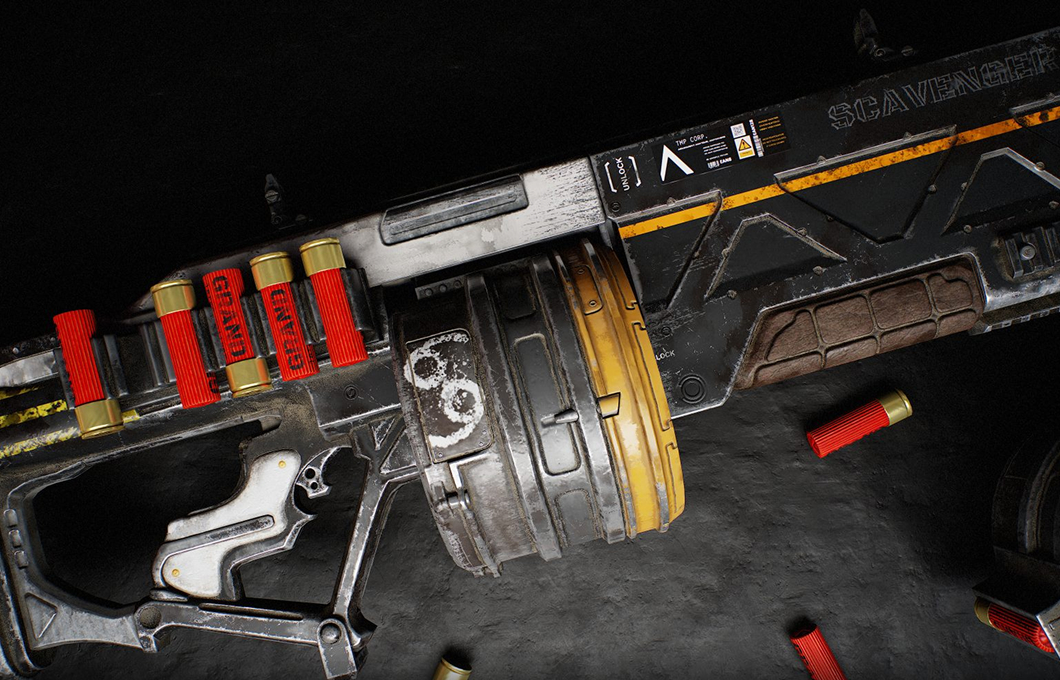


01 · The Genre
Extraction & Battle Royale Shooters
Extraction and battle royale shooters are multiplayer games built around high-stakes matches. In an extraction shooter, players loot a map and must reach an exit to keep their gear; in a battle royale, many players start with almost nothing and fight until one player or team is left. Both reward readable loot and maps worth replaying.
For art, loot is the product in both: players scan a pile of items in a second and decide what to grab, so every weapon, container and consumable needs a distinct shape and a clear tier. Beyond that the two diverge. Extraction maps are small, replayed and studied, while battle royale maps are vast and recognized from the air. The table below shows how the brief changes.
Art for extraction & battle royale: weapons · loot props · vehicles · environments · skin concepts
SUBGENRE 01
Hardcore Extraction
Realistic firearms and a real cost to dying. Players know the hardware and inspect it closely, so weapons and gear have to hold up.
Art priority: realistic weapons, ammo and gear sets, dense interiors
Genre example: Arena Breakout: Infinite – first-person extraction shooter on PC
SUBGENRE 02
PvPvE Sci-Fi Extraction
Raids on maps shared with AI enemies and other players. The world has its own technology and threats, so enemies, weapons and loot belong to one invented universe.
Art priority: enemy and machine designs, sci-fi weapons and loot, maps with several routes to the exit
Genre example: ARC Raiders – third-person extraction shooter
SUBGENRE 03
Battle Royale
Dozens of players on one large map, with loot scattered across towns, compounds and wilderness. Landmarks guide the player, and performance is part of the art brief.
Art priority: large-scale environments with landmark locations, vehicles, weapon variety, modular prop kits
Genre example: PUBG: Battlegrounds, Apex Legends
SUBGENRE 04
Mobile Extraction & Battle Royale
The same loops on phones and tablets. Weapons, loot and locations have to read on a small screen and run on mid-range hardware.
Art priority: compact weapon and loot sets, simple materials, locations that load fast
Genre example: Arena Breakout (iOS and Android)
Looking at shooters from the wider angle?
See our tactical & FPS shooter game art.
02 · The Art Brief
Extraction vs Battle Royale: How the Art Brief Differs
These are typical patterns, not rules – every game sets its own. We read the brief against your game's loop before choosing a production plan.
| Extraction shooter | Battle royale | |
|---|---|---|
| Match loop | Raid, loot, escape | Land, loot, survive to the end |
| Loot | Items carry value, so each must be identifiable and worth picking up | Items are grabbed mid-fight, so recognition has to be instant |
| Gear and progression | Often kept between raids, which calls for tiered gear and many variants | Often reset each match; progression is frequently cosmetic |
| Weapons | Frequently built from swappable parts, if the design calls for it | Usually classes and rarity tiers; attachments vary by game |
| Map | Smaller, replayed routes, extraction points and hidden loot spots | Large arena, landmarks, vehicles and long-distance traversal |
| Cosmetics | Depends on the game | Common in free-to-play titles |
03 · The Checkpoints
Loot Readability
Loot sits in piles, in dark rooms and in the middle of firefights. These are the checkpoints we agree before production begins.
| Checkpoint | What we agree at the brief |
|---|---|
| Silhouette and scale | Each item type has its own shape and a size that makes sense next to the others |
| Tier coding | How rarity shows in material, trim, color and wear, within your game's rules |
| Pile density | How many items a loot spot shows and how they overlap |
| Lighting range | How items look in dark interiors, harsh sun and fog |
Modular weapons
Where your design uses swappable parts, a weapon is built as a base with separate attachments, sharing mounting points, scale and material IDs so they combine in-engine. The part list, naming and sockets are agreed with your technical team. Whether a game has attachments at all is a design decision, and we follow yours.
Maps players replay
A map visited hundreds of times exposes every repeated asset. We build environments from modular kits with enough variation to avoid visible tiling, and landmark buildings that make a location recognizable at a glance.
04 · Platforms
Where Extraction & Battle Royale Games Ship
These games started on PC and now reach consoles and phones. Platform decides detail, draw distance and how many items a scene can show at once.


PC & Steam
Players zoom into weapons, read item details and study maps. Material quality and part-level detail on weapons are noticed first.
Genre examples
ARC Raiders · Arena Breakout: Infinite


PlayStation · Xbox
Controller play and fixed memory budgets. Loot must be recognizable at couch distance, and the budget for each asset is set at the start of production.
Genre example
ARC Raiders (PS5, Xbox Series X|S)

Mobile
A small screen and weaker hardware: fewer parts per weapon, simpler materials, tighter LODs, and loot silhouettes that still read at phone size. Limits are agreed with you for the weakest device you support. We have no shipped mobile shooter, so we begin with one calibration asset.
Genre example
Arena Breakout (iOS, Android)
05 · Engine
Unreal Engine
run on Unreal Engine
Unreal Engine is where our shooter experience sits, and both extraction examples above run on it. We deliver to your project's setup – naming, materials, LODs, collision and texture limits – and test assets in the engine before hand-off. If your game runs on another engine, we agree the specification at the brief.
06 · By Studio
Who We Build Extraction & Battle Royale Art For
These games live on content: new weapons, maps, seasons and skins keep players coming back. The right setup depends on how fast your content calendar moves.
| Studio | What you need | Typical scope | How we plug in |
|---|---|---|---|
| Live-service studios | A steady flow of weapons, loot and skins between updates | Weapon lines, loot props, cosmetic variants, seasonal sets | Ongoing production batches under a shared art bible |
| Teams building a map or a new mode | Locations that read from far away and reward exploration | Environment kits, landmark buildings, vehicles, props | A dedicated team under our art director |
| Early-stage teams proving a loop | One section of a raid or a drop zone that sells the game | A hero weapon, a loot set, one playable location | A fixed-scope pilot, then production |
Scoping the art for your first playable slice
A pilot can cover one weapon with a few swappable parts, a small loot set in two tiers and one location section, with scope and acceptance criteria agreed up front.
07 · How We Work
Direct, Subcontract or Part of Your Team
Extraction and battle royale games grow season by season, and the setup that suits a prototype rarely suits a live game. Choose the model for the stretch you are in.
Direct Engagement
You hand over an asset list – a weapon line, a loot set, a map district – and we run it end to end, with an art director and a project manager on our side reporting to you.
Subcontract (White-Label)
For co-development partners and lead studios: we produce under your brand and your NDA, and the delivery goes out in your name.
Discuss a white-label projectTeam Extension
Our artists work within your pipeline and under your art direction – you run the process, we add the capacity and the skill.
Seasonal Content Pipeline
When the game is live, new weapons, skins and props arrive on a schedule. We plan them as a repeatable production line against your style guide, so each season fits the world players already know.
Where Our Scope Ends
We produce the art: 3D models, textures, visual variants and agreed export files. Your team owns the game: loot tables and spawn rules, inventory, weapon statistics, balance and extraction rules. We build to what your design defines and flag art that would clash with it.
08 · Cases
Closest Shooter Experience
We have not published an extraction or battle royale title yet. These three shooters are our closest production experience, and each shows which art categories we have already delivered.
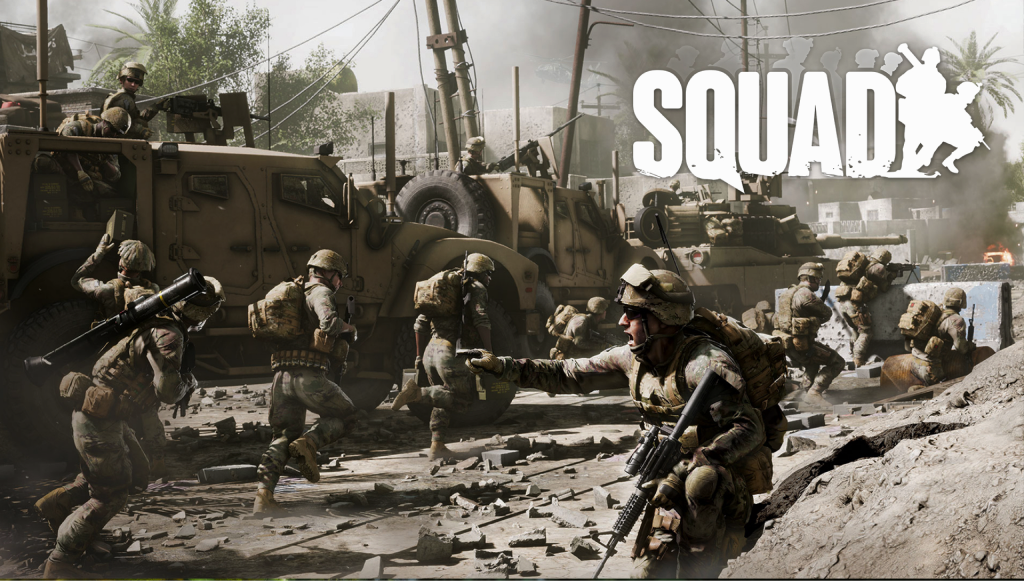
Squad
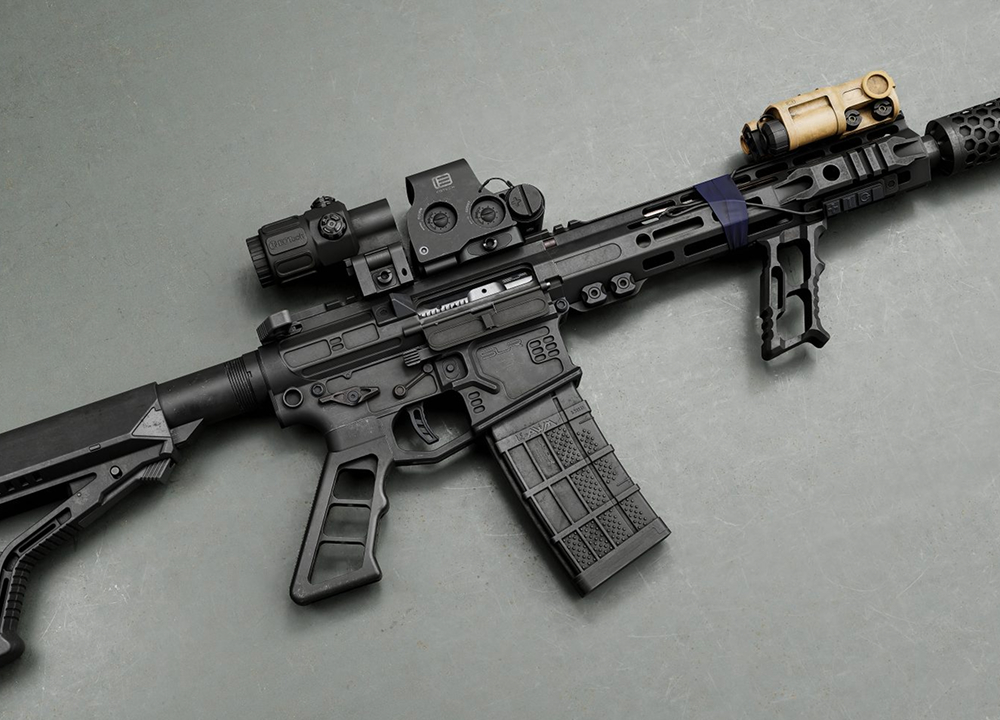
Tactical military FPS by Offworld Industries, built around large-scale battles and combined-arms warfare. We made final weapon and vehicle assets and concept art for unique weapon skins.
View the Squad case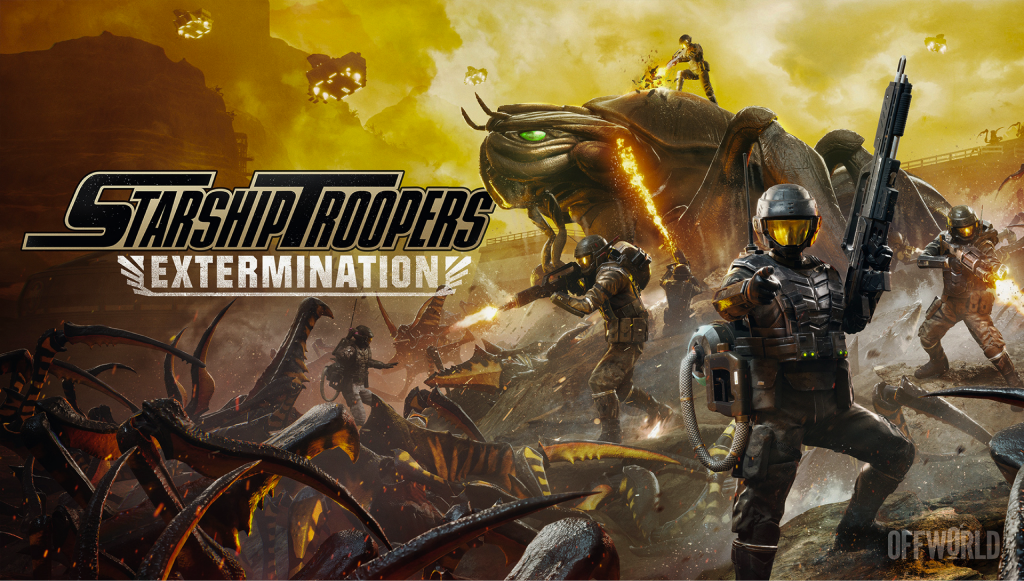
Starship Troopers: Extermination
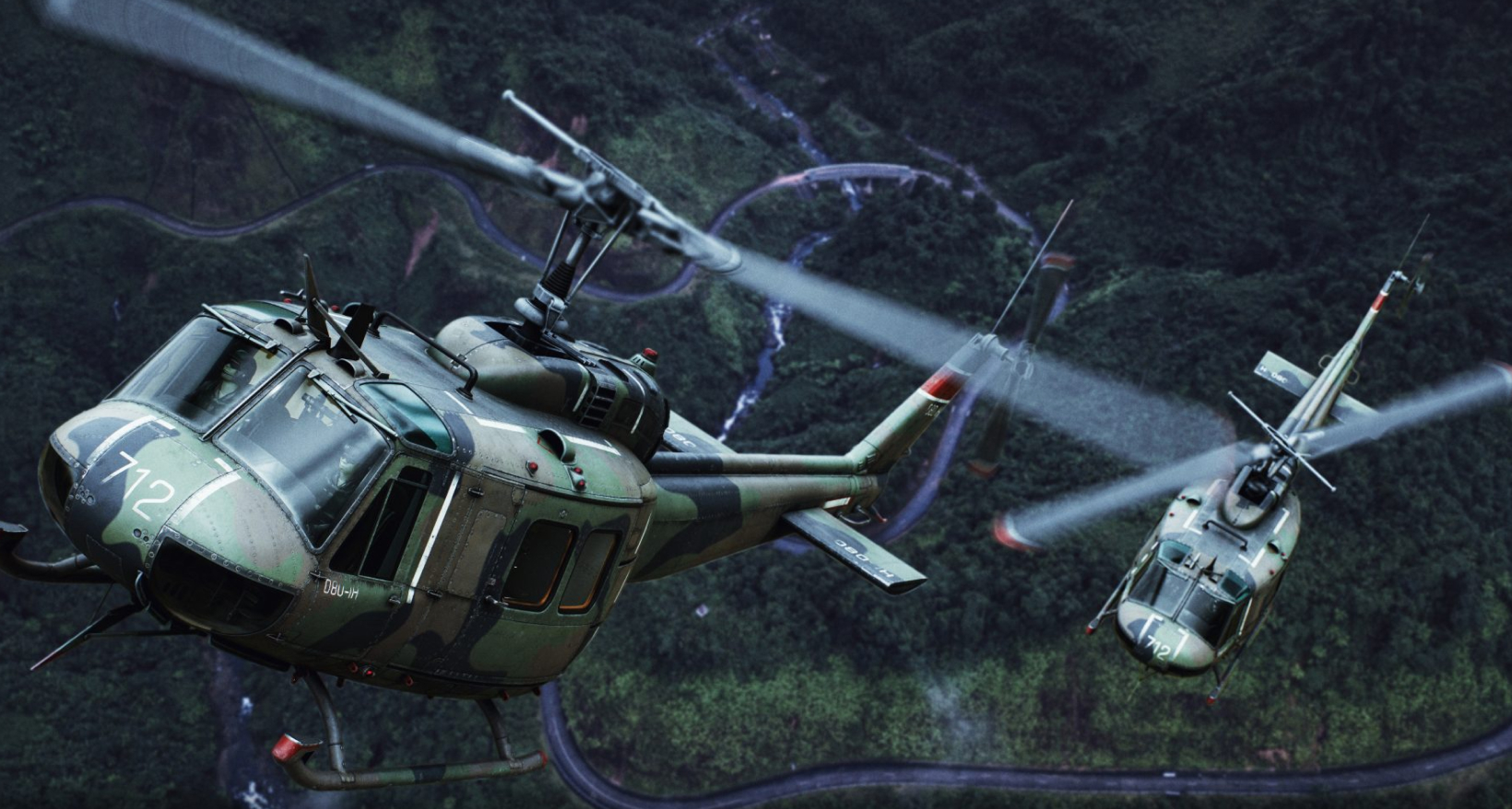
16-player co-op FPS by Offworld Industries, fought against the Bugs. We built props and environment assets, supported the development of game locations and produced aircraft.
View the Starship Troopers: Extermination case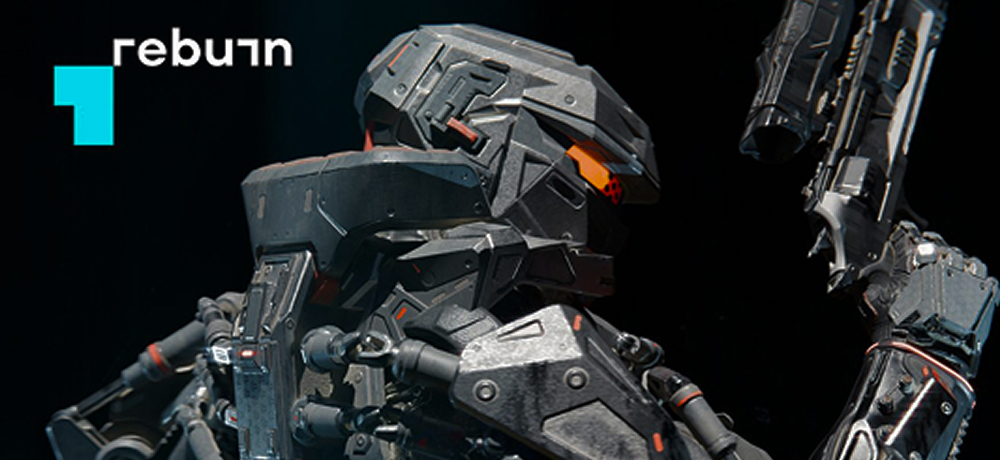
La Quimera
Story-driven FPS by Reburn, set in a future Latin America. We produced weapons and props in the game's visual style, plus weapon skin concepts.
View the La Quimera case09 · The Evidence
What Is Confirmed and What We Calibrate With You
| Art category | Delivered on our shooters | Agreed with you at the brief |
|---|---|---|
| Realistic weapons | Squad | Part split, naming, tier rules |
| Futuristic weapons and props | La Quimera | Faction look, tier variants |
| Vehicles and aircraft | Squad, Starship Troopers: Extermination | Drivable or background use, detail by distance |
| Props and locations | Starship Troopers: Extermination | Loot item list, pile density, kit size |
| Weapon skin concepts | Squad, La Quimera | Cosmetic system, variants per weapon |
| Mobile limits | No shipped mobile shooter | Triangle, texture and material limits for your weakest device |
| Loot, economy and extraction rules | Not an art task | Owned by your design team |
FAQ's: Extraction & Battle Royale Art
What is the difference between an extraction shooter and a battle royale?

Do you have extraction or battle royale games in your portfolio?
Can you build weapons with swappable attachments?
How do you keep loot readable in a pile?
Do you design the loot system or game rules?
How do I get an estimate for my extraction or battle royale game?
Building an extraction
or battle royale shooter?
Tell us about your loot, your weapons and your map. We come back with questions and a draft scope in 1–2 business days.
- Transparent pricing
- Honest feedback
- No hidden costs - ever