Thank you!
Your request has been sent.
We'll review your request and get back to you within 1–2 business days.
Thanks for the feedback!
We appreciate you helping us improve.




Game Art for Nintendo Switch & Switch 2
Made for the handheld
and the TV
Weapons, props and environments for games that play in handheld and docked mode – production art from titles released across PC and consoles.
Request a Quote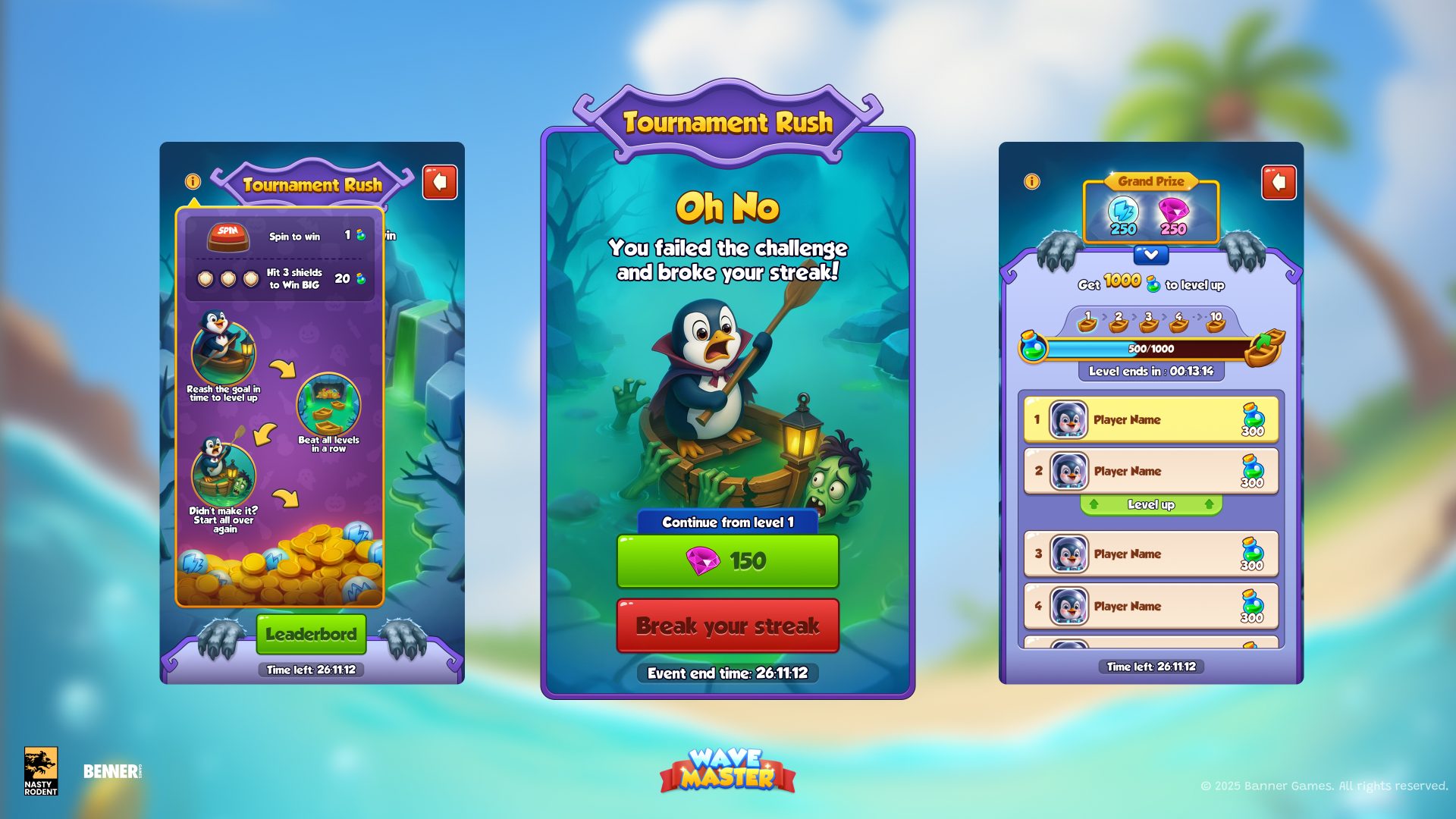


01 · The Platform
Nintendo Switch& Switch 2
Nintendo Switch and Switch 2 are consoles that players use in handheld mode, docked to a TV and, in many games, on a tabletop; Switch Lite is handheld-only. For art, that means one game has to read on a small screen and often on a large one, within the performance limits of each model.
A Switch game is judged in two situations at once: close up on a handheld display and across a room on a television. Shapes, contrast and material separation help a scene read at both sizes. Asset specifications depend on the supported hardware, the performance targets and the quality tiers defined by the development team. Because Switch 2 can play most Switch games, a project also decides whether it targets one generation or both.
Art for Switch: weapons · props · environments · concept art
CONTEXT 01
Handheld and Docked
The same scene appears on a display of a few inches and on a TV. Interface elements, icons and props have to stay readable at both sizes.
Art priority: readable silhouettes, scalable UI, assets that hold up at different viewing distances
Agreed at the brief: supported play modes, minimum screen size
CONTEXT 02
Two Hardware Generations
Switch and Switch 2 offer different performance. A game can be built for one, for both with shared assets, or with separate quality tiers.
Art priority: specifications set per generation or quality tier, a clear plan for which assets are shared
Agreed at the brief: target models, quality tiers, reuse between generations
CONTEXT 03
Texture, Material and Mesh Budgets
Texture sizes, material counts and mesh complexity decide how heavy a scene is for the hardware. Reusable materials and modular kits keep a library manageable across models and quality tiers.
Art priority: disciplined texture sizes, shared materials, modular kits, controlled mesh complexity
Agreed at the brief: texture and geometry limits, material conventions, naming
CONTEXT 04
Art Direction That Scales Down
Styles that rely on subtle noise or very fine detail can lose their effect on a small display. Clear shapes, controlled texture contrast and strong material separation tend to survive the move to handheld.
Art priority: shape language, value structure, controlled detail
Also on Switch: Mutant Year Zero: Road to Eden (a game with our art)
Looking at the tactics side of console play?
See our tactics & strategy game art.
02 · Platforms
The Switch Family at a Glance
Public specifications show how different the targets are. Exact requirements for a project come from Nintendo's developer documentation and your team.


Nintendo Switch (2017)
A 6.2-inch 720p handheld display and output up to 1080p when docked. The family also includes Switch Lite, a handheld-only model with a 5.5-inch display, and Switch OLED, with a 7-inch display.

Nintendo Switch 2 (2025)
A 7.9-inch 1080p handheld display and docked output up to 4K. It can play most Switch games, which keeps the earlier generation relevant for new releases.

One Library, Two Targets
Projects that support both generations decide early which assets are shared and which get an additional version, so the source library stays organized and each release meets its own limits.
03 · Engine
Specs and Delivery Scope
also released on Switch
in the Switch family
docked and tabletop
The engine and middleware are chosen by your team; we deliver to the pipeline you use. For a Switch project we agree a specification sheet with your team: supported models and play modes, geometry and texture budgets, material conventions, naming and file structure. We produce assets to that sheet and organize the source files for handoff.
| Task | Who does it |
|---|---|
| Asset production: modeling, texturing, materials | Nasty Rodent |
| Specification sheet: models, play modes, budgets, naming | Agreed with your team at the brief |
| Organized source files and handoff | Nasty Rodent |
| Engine integration, platform builds, memory and performance profiling | Your team, unless included in the scope |
| Nintendo technical requirements, submission and approval | Your team and the platform holder |
| Porting a game to Switch as a separate service | Not demonstrated by our cases; any such support would need to be confirmed and scoped separately |
04 · Studios
Who We Build Switch Art For
Switch projects range from small downloadable games to ports of large titles. The right setup depends on where your art library stands.
| Studio | What you need | Typical scope | How we plug in |
|---|---|---|---|
| Teams building a game for Switch | Art planned for handheld and docked play from the start | Weapon sets, prop libraries, environment kits to your budgets | A dedicated team under our art director |
| Teams bringing a PC or console game to Switch | Additional assets in the existing style | Possible scope: props and environment pieces built to your style reference and art bible | Confirmed at the brief |
| Teams supporting Switch and Switch 2 | A library that serves both generations | New content batches with a defined sharing plan | A long-term partner or Team Extension |
Scoping the art for your first playable slice
05 · How We Work
Direct or Part of Your Team
Switch production runs from target models to art specifications, production and handoff. Choose the model for where you are – it can change as the project does.
Direct Engagement
You provide an agreed asset list – weapons, props or environments – and our art director and project manager coordinate the production and delivery of those assets through the approved review stages.
Team Extension
Our artists work within your pipeline and under your art direction – you run the process, we add the capacity and the skill.
Targets First
Before production we agree the technical frame with your team: target models, play modes, budgets and naming. Production follows those specifications, and handoff is organized to match them. Integration, profiling and platform submission stay with your engineers unless the scope says otherwise.
06 · Cases
Related Experience With Our Art
We have not published a project delivered specifically for Switch. These cases are the closest evidence: a game with our art that also reached Switch, and small-screen work where readability and agreed budgets drive the art.

Mutant Year Zero: Road to Eden
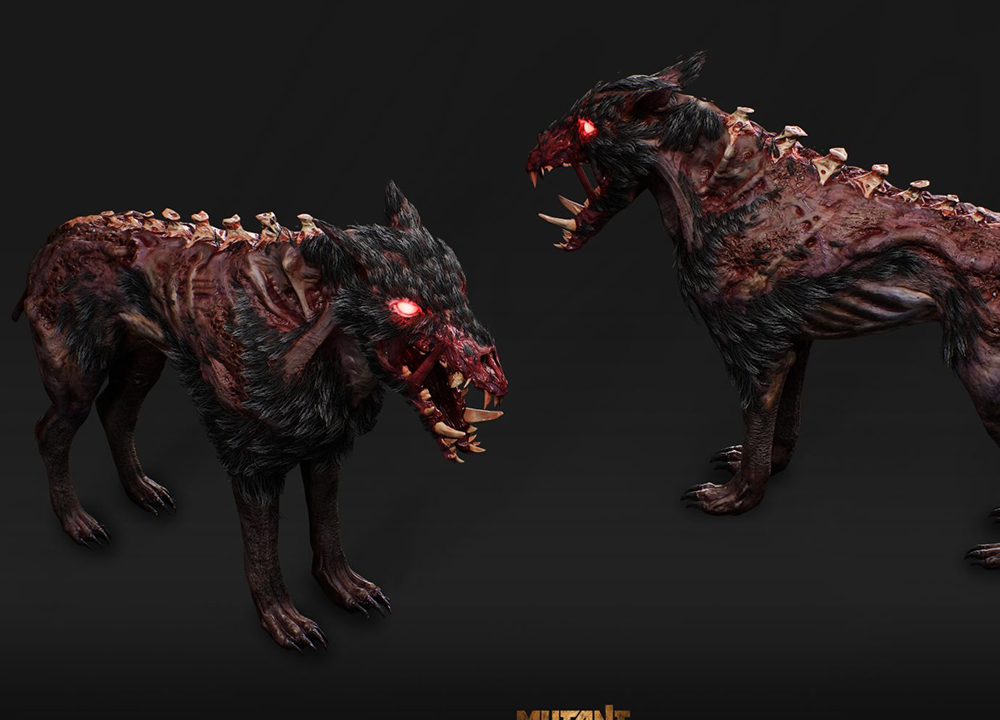
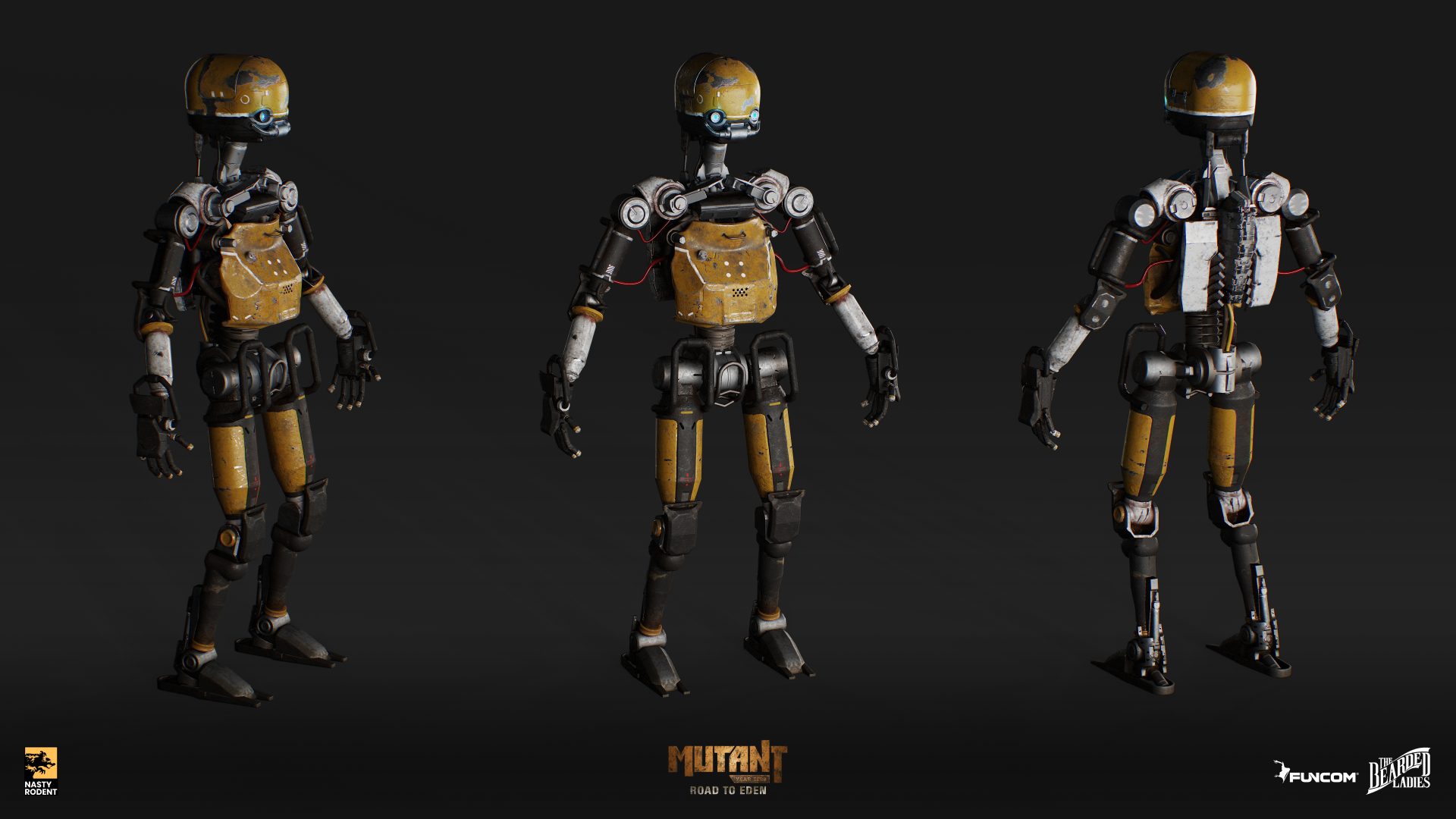
Tactical adventure by The Bearded Ladies in a post-human world, released on PC, PlayStation 4 and Xbox One in 2018 and on Nintendo Switch in 2019. We delivered weapons, props and environment assets. Our involvement in the Switch version is not documented.
View the Mutant Year Zero case

Small-Screen Work: Wave Master and Bubble Quest of Vikings
Two mobile games where interfaces, characters, props and environments have to read on a phone screen. The work covered UI/UX, concept art, stylized characters, 2D and 3D animation, props and environments.
View the Wave Master case View the Bubble Quest of Vikings case06 · The Evidence
What is confirmed and what we agree with you
| Topic | Confirmed on our cases | Agreed with you at the brief |
|---|---|---|
| Weapons, props, environments | Mutant Year Zero | Style, kit size, variants, reuse |
| Small-screen readability | Wave Master, Bubble Quest of Vikings | Minimum screen size, icon and text size |
| Budgets per model | Not shown as a separate result on these cases | Targets and limits from your team |
| Adapting PC or console assets for Switch | Not demonstrated by these cases | Possible scope, agreed case by case |
| Switch version of a game with our art | Mutant Year Zero (public release data) | Not applicable |
| Porting, platform builds, profiling, Nintendo submission | Not demonstrated by these projects | Scope agreed separately |
FAQ's: Nintendo Switch Game Art
What makes art for Nintendo Switch different?

Do we need to support both Switch and Switch 2?
Do you port games to Switch?
Can PC or console assets be reused on Switch?
Do you have Switch games in your portfolio?
How do I get an estimate for a Switch project?
Building a Game
for Switch?
Tell us about your game, your target models and your content plan. We come back with questions and a draft scope in 1–2 business days.
- Transparent pricing
- Honest feedback
- No hidden costs - ever