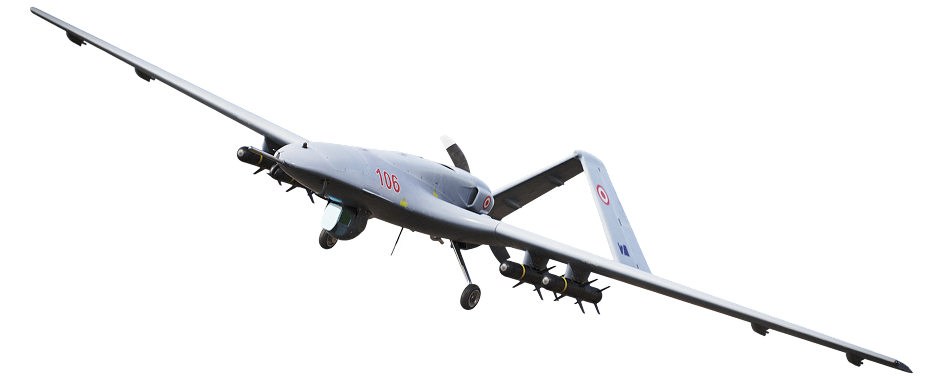

3D Vehicle Art for Games
Nasty Rodent builds game-ready vehicles for PC, console and mobile — military, civilian, aircraft and watercraft. Exteriors and interiors, rigged moving parts, damage states and LOD chains that hold from the cockpit to a kilometre out, delivered ready for Unreal Engine or Unity.
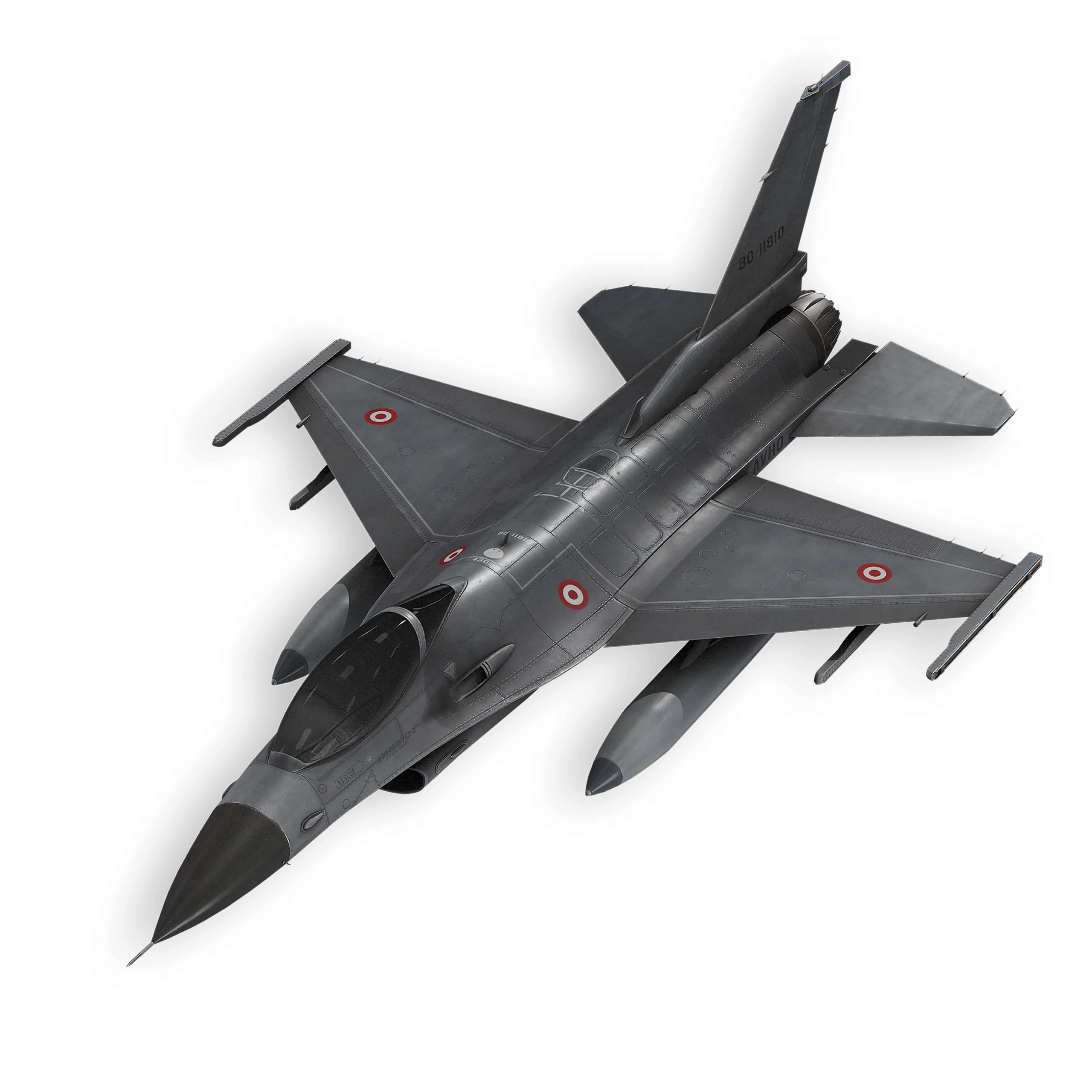
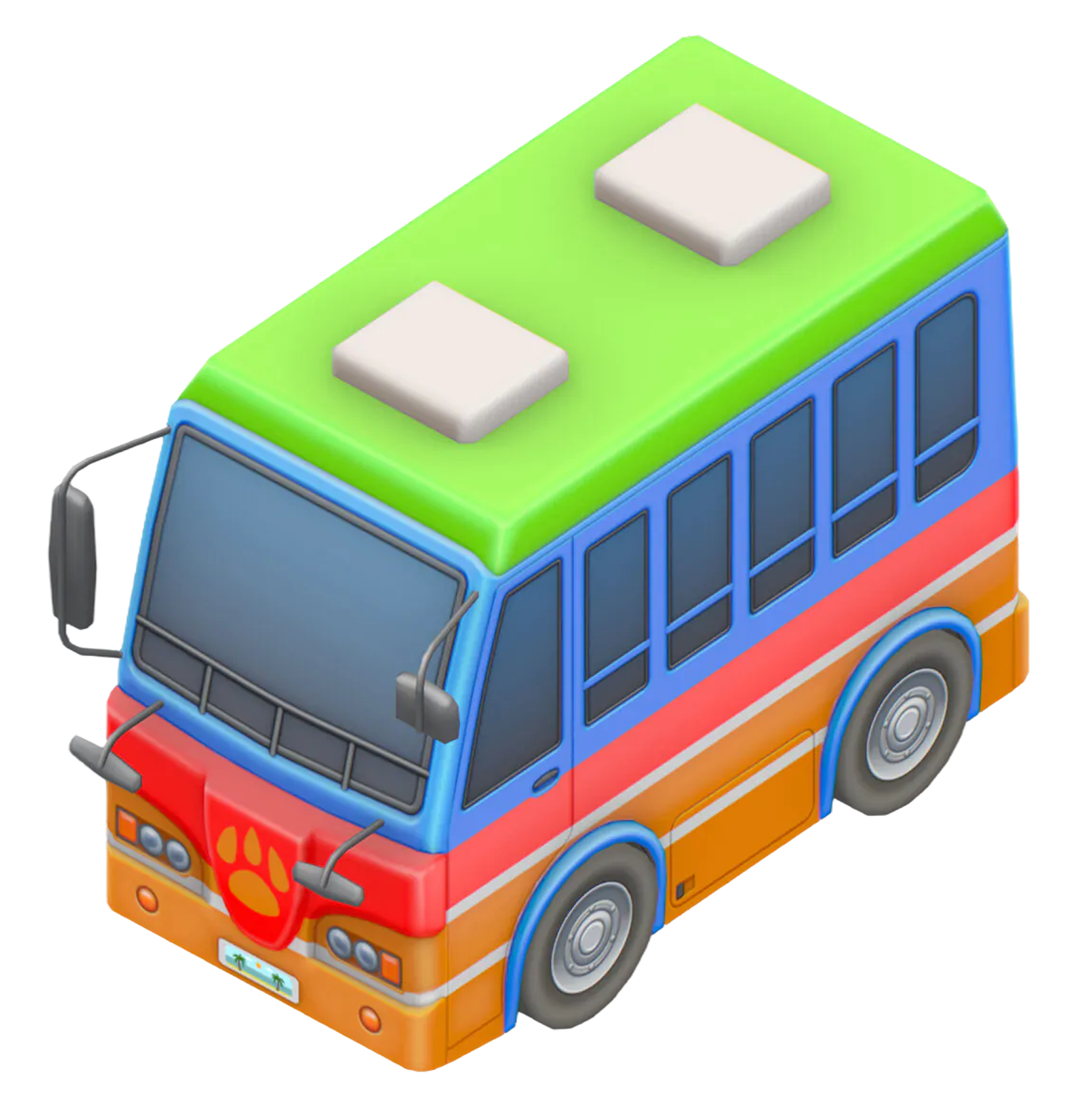
A vehicle is four assets,
not one
Most vehicle quotes cover the exterior. Then the interior turns out to be a second full asset, the moving parts need a rig, the damage states need variants, and the physics body needs someone to set it up. The budget does not break because the model was hard — it breaks because one of four parts was agreed and four were needed.
We scope all four from the start: exterior, interior, rig and physics. Military and armoured vehicles, civilian and urban traffic, aircraft and rotorcraft, watercraft — realistic or stylized, for PC, console and mobile.
Vehicles also carry the widest LOD range in a game. The same helicopter is inspected from the cockpit and read as a silhouette a kilometre away. We build the chain for both ends, not for the screenshot.
Realistic vehicles
Reference-accurate vehicles built from photo reference and technical drawings: mechanically coherent detail, panel logic, and material accuracy that holds up under close inspection — military, civilian, aircraft and watercraft, exteriors and interiors.
This is the tier where the audience includes people who own the reference. Detail is placed for the full viewing range a vehicle carries — cockpit distance at arm's length and silhouette readability a kilometre out — not just for the screenshot.
Stylized vehicles
Exaggerated proportions and simplified forms built to a defined shape language, for casual and mobile projects where the silhouette has to read at small scale and the budget is tight. Hand-painted or semi-PBR depending on your pipeline.
As everywhere else, if your project already has vehicles, they are the style guide — new ones join the fleet rather than stand beside it, sharing proportion rules, colour language and a consistent level of stylization.
CASE
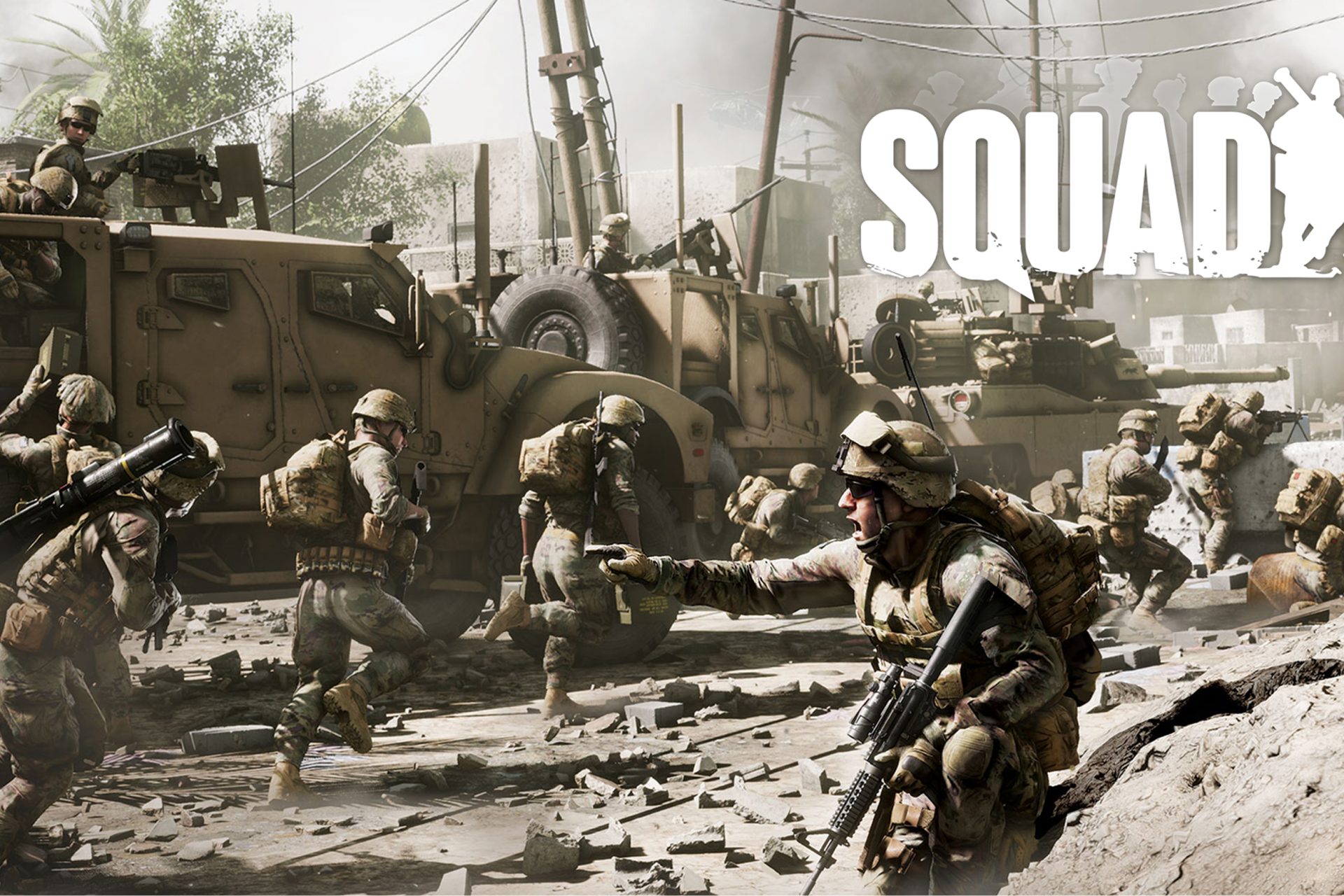
Selected production case: Squad
SQUAD
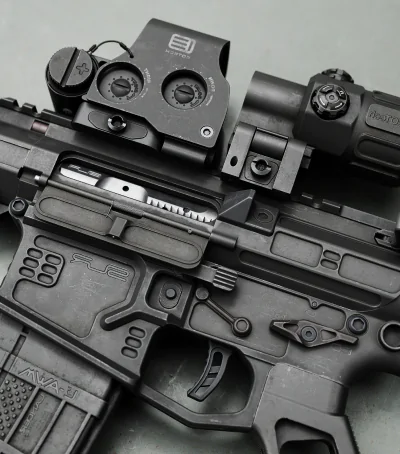
A large-scale military first-person shooter where every asset has to read as a real piece of equipment — the audience for a game like this includes people who own the reference.
Nasty Rodent produced realistic military content for Squad across the pipeline: concept art and unique skins through to final assets for vehicles and weapons. The concept work was not a separate deliverable handed over and forgotten — it fed directly into assets we then built ourselves.
Platforms, engines and budgets
Give us the hard constraints at the brief — triangle ceiling per LOD, texture memory, whether interiors are needed, how the vehicle is driven — and they become production rules instead of a rework at integration.
-

PC and console
Full interior detail, complete LOD chains, high-resolution texture sets and damage variants. Where the project uses UE5, geometry authored with Nanite in mind and materials that behave under Lumen.
-
Mobile
Tight triangle budgets, atlased textures, simplified or omitted interiors, and LOD chains tuned to how briefly a vehicle is actually on screen. Silhouette carries recognition where geometry cannot.
-
Unreal Engine
Assets delivered as engine content — materials, LODs, collision, physics assets, sockets and a rig matched to your vehicle system.
-
Unity
Prefabs, materials, colliders, LOD groups and transform hierarchy configured to your project structure.


-
Other services
The studio provides full quality control - all tasks in development are controlled by internal lead artists and managers.
-
3D Weapons
From melee to sci-fi blasters — we craft detailed and functional weapon models with proper topology, textures, and LODs for all game types and platforms.

-
3D Characters
From stylized heroes to realistic NPCs, our 3D character models include clean topology, UVs, and rigs — ready for animation and real-time engines.
-
3D Environment
We build immersive 3D environments that set the tone and mood of your game. From stylized fantasy worlds to realistic battlefields — our scenes are optimized and ready for gameplay.
-
3D Prop
High-quality game-ready prop production with a focus on accuracy, clean topology, and efficient optimization. We create detailed hard-surface and organic props that meet technical requirements, maintain consistent style, and integrate seamlessly into any game environment.
-
UX\UI
We craft user-centered game interfaces that look great and feel intuitive. Menus, HUDs, icons — everything designed for clarity and player immersion.
-
Concept art
We design visual foundations with concept art and polished 2D assets. Characters, environments, and UI — everything starts with a strong visual idea.


What we need
to estimate
your project
-
01
Vehicle list and categories
Armour, aircraft and civilian traffic are different amounts of work
-
02
Interiors — yes or no
An interior is effectively a second asset per vehicle
-
03
What moves
Wheels, turret, hatches, rotors, landing gear — each is rig work
-
04
Damage states
Whether variants, destructible panels or wrecks are in scope
-
05
Liveries and variants
How many skins share one base
-
06
Reference or concept art
Whether we start at concept or at blockout
-
07
Rig and physics expectations
Geometry with pivots, or full setup in your vehicle system
-
08
Technical spec
Triangle budgets per LOD, texel density, texture resolution
-
09
Target platform and engine
Mobile, console and PC are different production plans
-
10
Deadline
A fixed date changes team size, not just schedule
Start
gnawing
Hand us
your game
Nasty Rodent is a game art outsourcing studio that sinks its teeth into projects of any scale — from scrappy indie builds to full AAA worlds. We craft 3D characters, environments, weapons, props, concept art, and game UI/UX that power real gameplay and immersion. Ten years deep, 40+ artists strong, zero fluff. Bring us your game and get a free, no-pressure estimate tailored to your budget.
our teeth in
How we can work together
What You’ll Get
-
[ 1 ]
PROJECT-BASED
- A defined fleet with a defined outcome: a vehicle set, a faction's equipment, a batch of civilian traffic. You approve the spec and milestones, we deliver against them.
-
[ 2 ]
ONGOING SUPPORT
- A team that stays with the project and keeps your conventions, rig standards and material library. Vehicles benefit from this more than most asset types — the second vehicle costs less than the first only if the same team builds it to the same rig standard.
-
[ 3 ]
OUTSTAFFING
- Our artists work inside your pipeline, tools and management. You direct day to day; we handle employment, replacement and cover.
The stack of technologies we use


-
Your vehicle production team
One production team behind the whole fleet — so every vehicle is built to the same rig standard, reads as one set, and drives correctly in your engine before you see it.
-
Art Director
Owns fleet consistency: proportion treatment, panel logic, material and wear language, and the review that checks vehicles against each other, not one at a time.
-
Project Manager
Holds the vehicle list, the milestones and the schedule across parallel artists, and applies your rig standard and naming from the first delivery instead of patching a fleet later.
-
Lead 3D Artist
Owns reference accuracy and the consistency of the fleet: proportions, panel logic and wear language across every vehicle in the set
-
Concept Artist
Resolves fictional vehicles before modelling: orthographic views and mechanical logic, so a design does not fail at the rig stage after looking right from three-quarter view.
-
3D Vehicle Artist
Models exterior and interior to the agreed budget, with clean pivots for every moving part and consistent texel density across the fleet.
-
Technical Artist
Owns the rig and the constraints: pivot hierarchy, collision, wheel colliders, LOD thresholds, physics assets and the in-engine drive test before hand-off.


Reviews from our satisfied customers



Join Customers
We've been working with Nasty Rodent since 2014 - and that says it all. On the Skies project, they delivered an entire 4 km² location with full content: props, buildings, NPCs, mobs. They took the task and just got it done. High quality, on time, no fuss. This is a studio you can trust.
03.03.2025
Nasty Rodent supported our large-scale game art production with 15+ specialists across props, characters, environments, weapons, concept art, and vehicles. They also helped structure pipelines, managed art direction, and coordinated the art team. A well-organized, reliable production partner with strong execution and clear communication.
01.06.2026
FAQ:
3D Vehicle Art
What is 3D vehicle art in game development?

3D vehicle art is the production of drivable and static vehicles as engine assets. Unlike most assets, a vehicle has to work as four things at once: an exterior that reads close up, an interior the player may enter, a rig with moving parts, and a physics body the game drives.
A complete vehicle asset includes:
- Exterior mesh built to the agreed triangle budget
- Interior geometry where the player enters the vehicle
- A pivot hierarchy for wheels, steering, turret, hatches and doors
- Collision, wheel colliders and physics setup
- An LOD chain covering cockpit distance to horizon distance
What types of vehicles do you model?
Military and armoured vehicles, aircraft and rotorcraft, civilian and urban traffic, watercraft, and stylized vehicles for casual and mobile projects. Single hero vehicles and full fleets, realistic or stylized, matched to your existing set.
Common requests:
- Armour and transports: APCs, tanks, technicals, support equipment
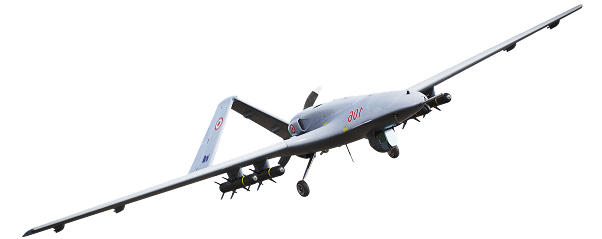
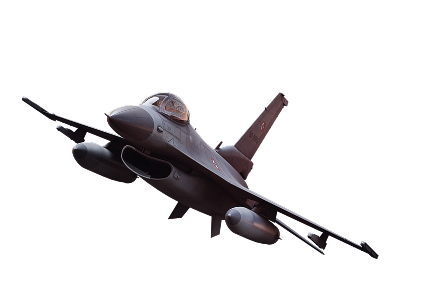
- Aircraft: fighters, transports, helicopters, UAVs
- Civilian traffic: cars, vans, trucks, buses, background variants
- Stylized vehicles for mobile and casual titles
- Livery, camouflage and faction variants on a shared base
Do you build interiors, or exteriors only?
Both, and the answer changes the estimate more than the vehicle type does. An interior the player enters is effectively a second full asset: cabin geometry, instruments, seats, and sightlines checked from the driver position. We ask this at the brief rather than discovering it in review.
Interior scope usually falls into one of three levels:
- None — the vehicle is never entered, exterior only
- Simplified — visible through glass, not entered; low-detail geometry
- Full — the player sits inside; instruments, seats and camera positions designed
Do you deliver rigged vehicles with moving parts?
Yes. Wheels, steering, suspension travel, turret yaw and pitch, hatches, doors, landing gear, rotors and control surfaces get pivots, hierarchy and names matched to what your vehicle system expects. Suspension geometry is built to allow real travel rather than clipping into the body.
Rig delivery covers:
- Pivot hierarchy for every moving part, named to your convention
- Suspension travel clearance designed into the geometry
- Turret and hatch rotation axes placed correctly
- Attachment sockets for weapons, cargo and effects
- Import verified in Unreal Engine or Unity before hand-off
Do you produce damage states and destruction variants?
Yes, when they are scoped at the brief. Damage work ranges from texture-level wear through detachable panels to fully wrecked variants, and the cost difference between those is large. Deciding the level early is what keeps it predictable.
Damage scope levels we work to:
- Texture-level — scorching, bullet holes, dirt, no geometry change
- Detachable parts — doors, panels, wheels that can be removed
- Damaged variant — a second mesh with deformed geometry
- Destroyed variant — wreck state, often with separate collision
Do you work in both realistic and stylized styles?
Yes. Realistic vehicles are built from reference and technical drawings with mechanically coherent detail and material accuracy. Stylized vehicles follow a defined shape language with readability carried by silhouette. Most projects need us to match an existing fleet rather than define a look.
The practical difference:
- Realistic — reference and drawings, PBR, plausibility under close inspection
- Stylized — exaggerated proportions, simplified forms, silhouette-led
- Either way — your existing vehicles are the style guide
Can you match our existing vehicle fleet and art bible?
Yes, and it is the most common assignment. Send vehicles already in your build and we reverse-engineer the rules: proportion treatment, panel density, texel density, wear language, rig standard and naming. New vehicles then join the fleet instead of standing beside it.
What we ask for:
- Two or three existing vehicles, ideally source files with rigs
- Your technical spec: triangle budgets per LOD, texel density
- Screenshots or footage in your actual in-game lighting
- The rig standard and naming convention your vehicle system uses
What file formats, LODs and optimization standards do you deliver?
FBX and OBJ as standard exchange formats, with source files on request. PBR texture sets at the resolution each tier justifies, full LOD chains built for the real viewing range, collision and wheel colliders, and physics assets where the project uses them.
Standard delivery package:
- Exterior and interior meshes in FBX plus source files
- PBR texture sets, plus liveries and damage variants where in scope
- LOD meshes across the agreed chain, interiors dropped by distance
- Collision hull and wheel colliders
- Rig with pivot hierarchy and attachment sockets
How much does 3D vehicle outsourcing cost?
Vehicle cost is driven by scope layers rather than by the vehicle itself. The same tank quoted exterior-only and quoted with interior, rig, damage states and physics differs by a wide margin. We quote per project once those layers are decided.
What moves the number most:
- Whether the player enters the vehicle
- What moves on it, and how your vehicle system expects it rigged
- Whether damage states and destruction variants are in scope
- How many liveries and variants share one base
Can you take over a vehicle already in production?
Yes. We start by reading what exists — mesh, UVs, rig, pivot naming and conventions — and tell you honestly whether continuing or rebuilding costs less. Rig standards are the usual deciding factor: an inconsistent pivot convention across a fleet costs more to patch than to redo.
How the handover works:
- We review the existing asset, spec and rig standard
- You get a straight answer on continue versus rebuild
- One vehicle is delivered for calibration before scale-up
- Your naming, pivot and folder conventions are adopted, not replaced
- Throughput ramps only after that first vehicle is approved
Not sure where to start
or worried about
the estimate?
No pressure — just send us your idea or a rough brief, and we'll get back with a free consultation and a flexible estimate tailored to your goals.
- Transparent pricing
- Honest feedback
- No hidden costs - ever