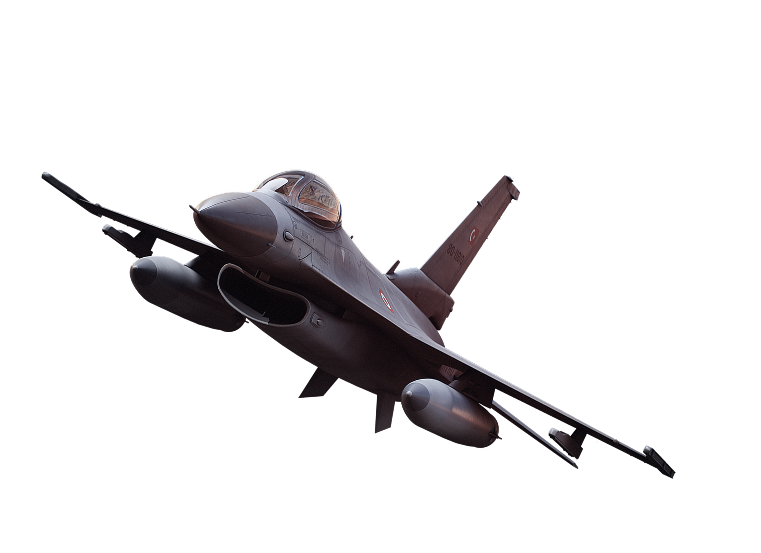

3D Weapon Modeling for Games
Nasty Rodent builds game-ready 3D weapons for PC, console and mobile projects — firearms, melee, sci-fi and fantasy. Realistic or stylized, modelled to your art direction, textured in PBR, optimized with LODs, and delivered ready to drop into Unreal Engine or Unity.
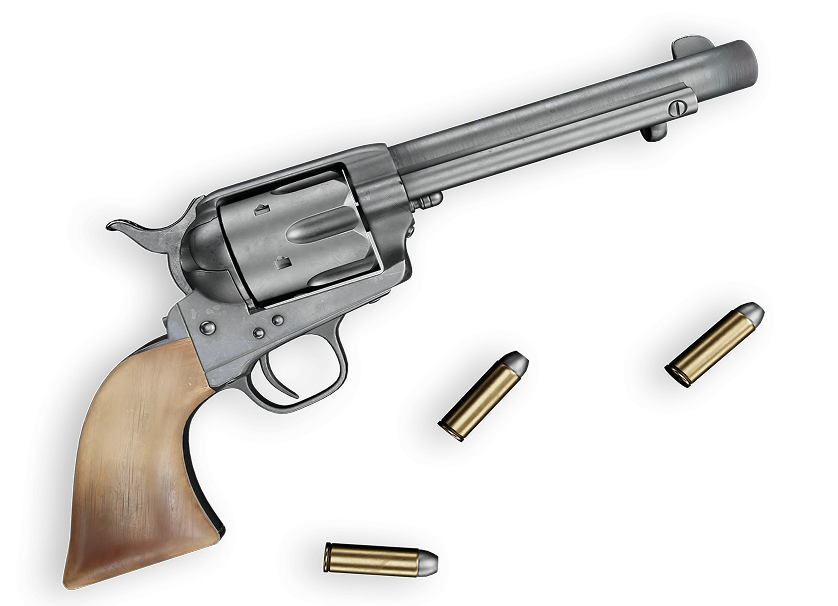
3D weapon art production,
end to end
We produce weapons as production assets, not as portfolio renders. That means every model leaves our pipeline with the things a build actually needs: clean topology, a poly budget agreed with your tech artist, non-overlapping UVs, PBR textures at the resolution your target platform can afford, LODs, collision meshes and correctly named sockets for attachments, muzzle flashes and shell ejection.
We cover the full chain — concept, high-poly sculpt, retopology, UV, baking, texturing, engine integration and QA — or we join at whatever stage you already have. If you arrive with finished concepts, we start at blockout. If you arrive with a written description and a mood board, we start at concept.
Firearms, melee, bows, energy and sci-fi weapons, fantasy props with weapon logic, and modular kits where one receiver carries dozens of attachment variants.
CASE
Selected production case: Squad
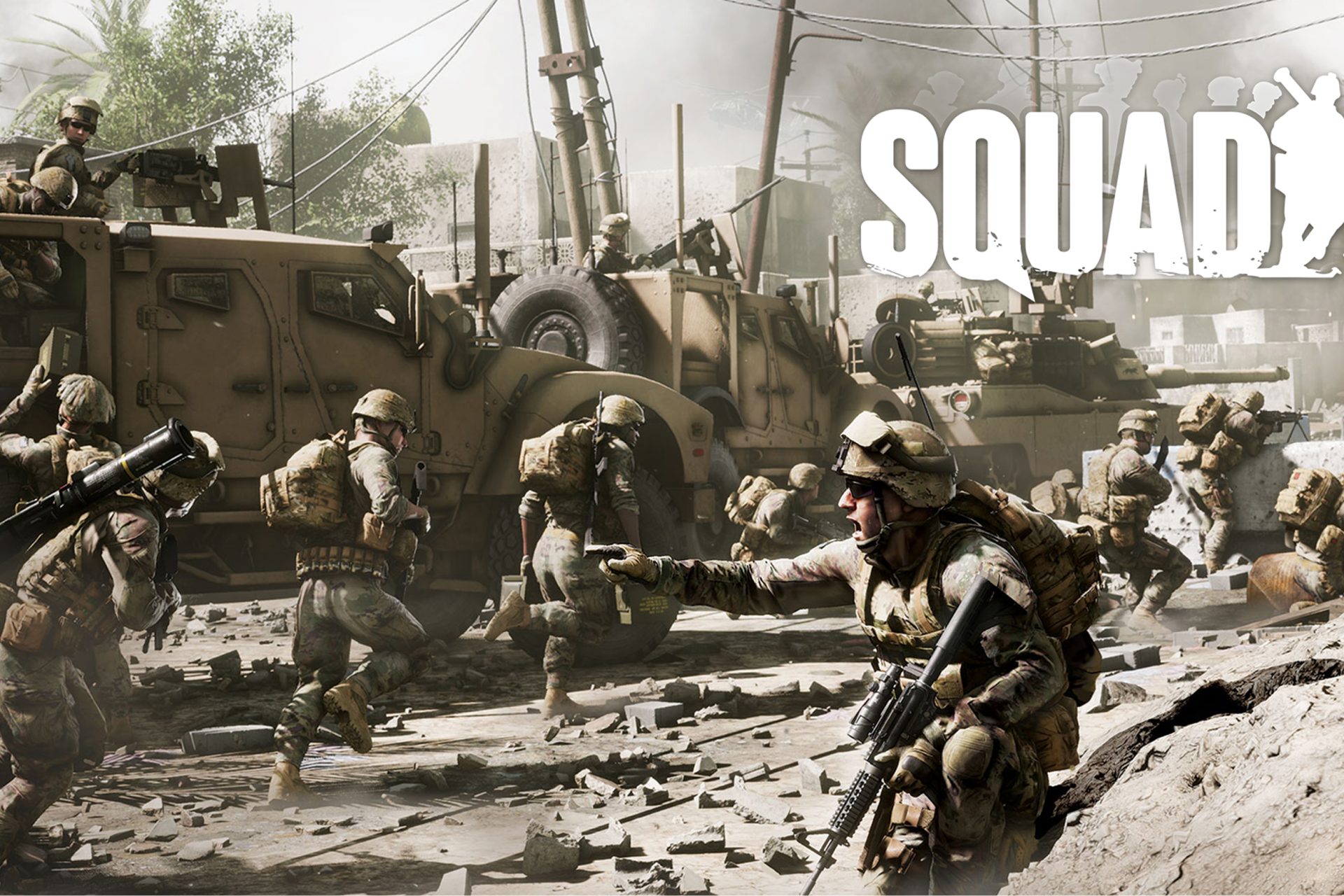
SQUAD
Squad is a large-scale military first-person shooter where weapon handling is the core of the experience — which makes the weapon set one of the least forgiving parts of the art pipeline. Players spend hundreds of hours looking at the same rifles, and every proportion error becomes a known community complaint.
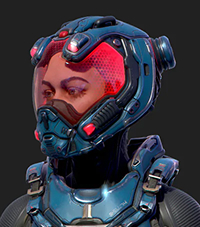
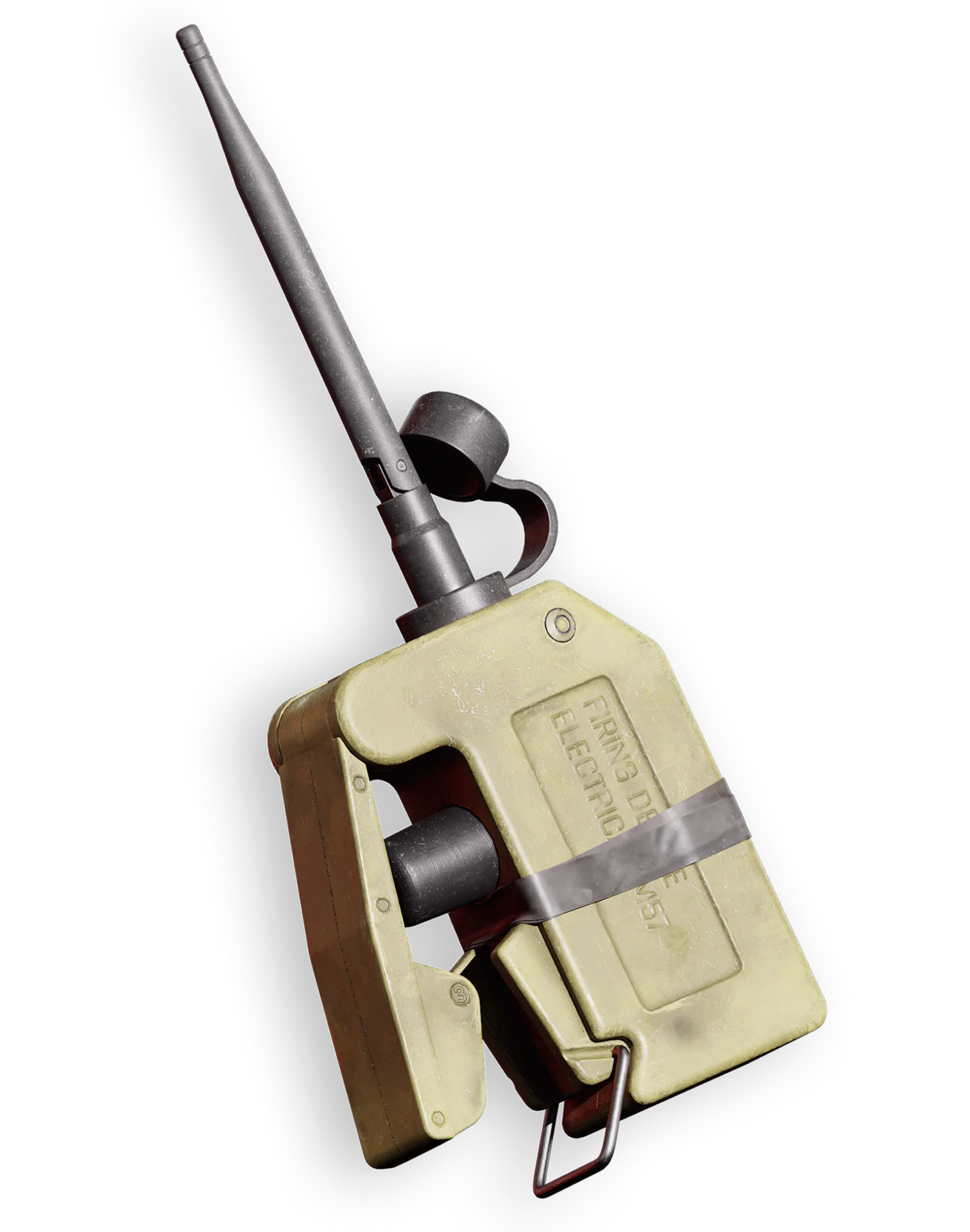
Nasty Rodent joined Offworld Industries to produce realistic military content across the project: concept art, unique skins, and final assets for vehicles and weapons. Our work covered the chain from concept through to assets that met the project's technical requirements and its realistic visual direction.
Platforms and engines
If your build has a hard constraint — a triangle ceiling, a draw-call target, a texture memory budget — give it to us at the brief and it becomes a production rule, not a review comment.
-

PC and console
High-detail hero weapons with full LOD chains, 4K texture sets where the budget allows, and topology that holds up under close first-person inspection and in cinematics.
-
Unreal Engine
Assets delivered as engine-ready content: material instances, LOD setup, collision, sockets. We work with UE5 features including Nanite and Lumen where the project uses them.
-
Mobile
Aggressive poly budgets, atlased textures, reduced LOD chains and material counts kept low enough for mid-range devices — without losing the silhouette that makes the weapon readable at small scale.
-
Unity
Prefabs, materials and LOD groups configured to your project structure.


-
Other services
The studio provides full quality control - all tasks in development are controlled by internal lead artists and managers.
-
3D Characters
From stylized heroes to realistic NPCs, our 3D character models include clean topology, UVs, and rigs — ready for animation and real-time engines.

-
3D Environment
We build immersive 3D environments that set the tone and mood of your game. From stylized fantasy worlds to realistic battlefields — our scenes are optimized and ready for gameplay.
-
3D Prop
High-quality game-ready prop production with a focus on accuracy, clean topology, and efficient optimization. We create detailed hard-surface and organic props that meet technical requirements, maintain consistent style, and integrate seamlessly into any game environment.
-
UX\UI
We craft user-centered game interfaces that look great and feel intuitive. Menus, HUDs, icons — everything designed for clarity and player immersion.
-
Concept art
We design visual foundations with concept art and polished 2D assets. Characters, environments, and UI — everything starts with a strong visual idea.
-
3D VEHICLES
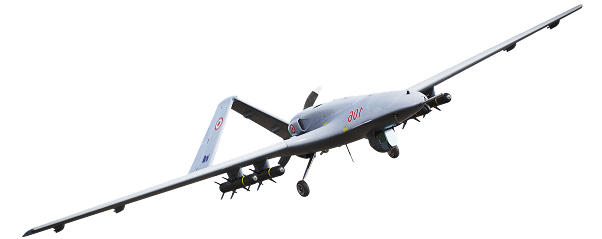
Realistic or stylized 3D vehicles for land, air, or space. We model drivable and modular vehicles that fit perfectly into your game’s style and performance needs



What we need
to estimate
your project
-
01
REFERENCE OR CONCEPT ART
Whether we start at concept or from a clear input is the single biggest variable
-
02
WEAPON LIST AND COUNT
Batch work and shared bases cost less per unit than one-off heroes
-
03
STYLE TARGET
Realistic PBR and hand-painted stylized are different amounts of work
-
04
TARGET PLATFORM
Mobile budgets, console budgets and PC budgets are different pipelines
-
05
ENGINE
Unreal or Unity, and which version
-
06
TECHNICAL SPEC
Triangle budget, texel density, texture resolution, LOD count
-
07
MODULARITY
Whether attachments and skins are in scope, and how many variants
-
08
RIG AND ANIMATION
Whether we hand over rigged assets or static meshes
-
09
DEADLINE
A fixed launch date changes team size, not just schedule
Start
gnawing
Hand us
your game
Nasty Rodent is a game art outsourcing studio that sinks its teeth into projects of any scale — from scrappy indie builds to full AAA worlds. We craft 3D characters, environments, weapons, props, concept art, and game UI/UX that power real gameplay and immersion. Ten years deep, 40+ artists strong, zero fluff. Bring us your game and get a free, no-pressure estimate tailored to your budget.
our teeth in
How we can work together
What You’ll Get
-
[ 1 ]
PROJECT-BASED
- A defined scope with a defined outcome: an arsenal, a weapon pack, a set of skins. You approve the spec and the milestones, we deliver against them. Best when the scope is known and the deadline is fixed.
-
[ 2 ]
ONGOING SUPPORT
- A team that stays with your project across milestones and absorbs its conventions instead of relearning them every batch. Weekly rhythm, one point of contact, consistent output over months rather than a single hand-off.
-
[ 3 ]
OUTSTAFFING
- Our artists work inside your pipeline, your tools and your management. You direct the work day to day; we handle employment, replacement and cover.
The stack of technologies we use


-
Your weapon production team
Owns the constraints: triangle budget, texel density, LOD thresholds, socket setup and the in-engine check before hand-off.
-
Art Director
Leads the creative vision and maintains consistency across all visuals. With deep expertise in 3D environments and character design, our Art Director ensures every project meets top industry standards.
-
Project Manager
Oversees each phase of production, connecting clients and the team. With strong experience in game art outsourcing, they keep your project on track and within budget.
-
Lead 3D Artist
Supervises 3D character design, environment modeling, and asset optimization — guiding artists and ensuring world-class visual quality.
-
Concept Artist
Transforms ideas into clear visual direction. Develops sketches and moodboards for characters and environments, defining the game’s visual identity.
-
Technical Artist
Bridges art and technology. Responsible for shaders, scene optimization, and technical integration - ensuring stable performance and high visual quality.
-
3D Character Designer
Designs stylized and realistic 3D characters - from humans and creatures to mascots and horror figures - optimized for animation and gameplay.


Reviews from our satisfied customers

Join Customers
We've been working with Nasty Rodent since 2014 - and that says it all. On the Skies project, they delivered an entire 4 km² location with full content: props, buildings, NPCs, mobs. They took the task and just got it done. High quality, on time, no fuss. This is a studio you can trust.
03.03.2025
Nasty Rodent supported our large-scale game art production with 15+ specialists across props, characters, environments, weapons, concept art, and vehicles. They also helped structure pipelines, managed art direction, and coordinated the art team. A well-organized, reliable production partner with strong execution and clear communication.
01.06.2026
FAQ: 3D
Weapon Modeling
What is 3D weapon art in game development?

3D weapon art is the production of weapon assets that function inside a game build — not just models, but models with the technical properties the engine needs. A finished weapon asset carries geometry, textures, LODs, collision and attachment points, all built to the project's budget.
A complete weapon asset includes:
- A game mesh built to an agreed triangle budget
- A PBR or hand-painted texture set at the project's resolution
- An LOD chain sized to the target platform
- Collision geometry and named sockets for attachments and effects
What types of weapons do you model?
Firearms, melee weapons, bows and crossbows, energy and sci-fi weapons, fantasy weapons, and the attachments and skins that go with them. We build both single hero assets and full arsenals, including modular kits where one base carries dozens of configurations.
Common requests:
- Modern and historical firearms with mechanically correct detail
- Melee and improvised weapons for survival and horror projects
- Sci-fi and energy weapons designed from scratch
- Attachment sets: optics, barrels, stocks, grips, suppressors, magazines
- Skin and camouflage variants on an existing base
Do you work in both realistic and stylized styles?
Yes. Realistic weapons are built from reference with PBR texturing and mechanically accurate detail. Stylized weapons follow the shape language, chamfer rules and colour treatment of your existing assets. Most projects need us to match an established style rather than invent one.
The practical difference:
- Realistic — photo and drawing reference, PBR metal/roughness, detail carried by the mesh
- Stylized — exaggerated silhouette, hand-painted or semi-PBR, detail carried by the texture
- Either way — we work from your existing assets as the style guide
Can you match the weapon style of our existing game?
Yes — this is the most common assignment we get. Send us assets already in your build and we reverse-engineer the rules: proportions, chamfer sizes, texel density, wear language, material response. New weapons then sit inside the set instead of standing out from it.
What we ask for:
- Two or three existing assets, ideally source files
- Your technical spec: triangle budget, texel density, texture resolution
- Screenshots in your actual in-game lighting
- The naming and folder convention your project uses
What file formats and texture resolutions do you deliver?
FBX and OBJ as standard exchange formats, with source files on request. Texture sets are PBR — Base Color, Normal, Roughness, Metallic, AO — at the resolution your platform can afford, agreed at the brief rather than assumed.
Typical delivery package:
- Game mesh in FBX, plus source file
- PBR texture set, resolution agreed per platform
- LOD meshes across the agreed chain
- Collision meshes and named sockets
Can you support an ongoing production, not just a single project?
Yes. We offer monthly capacity allocation for studios that need a consistent art pipeline extension. Same team, same lead, same QA process — across as many milestones as your production requires.
Do you provide LODs, collisions and engine integration?
Yes, all three, and they are part of the base scope rather than an add-on. We import assets into Unreal Engine or Unity, set up materials, verify LOD transitions and collision, and check the weapon in the lighting your game actually uses before hand-off.
Included by default:
- Full LOD chain to the budget your build requires
- Custom collision meshes
- Sockets named to your convention — muzzle, magazine, optics, shell ejection
- Material setup and an in-engine review pass
How much does 3D weapon outsourcing cost?
Cost depends on scope, style, platform and how much of the pipeline we cover. A modular kit built on a shared base costs far less per weapon than a set of unique heroes. We quote per project after a brief rather than publishing rates that would not apply to yours.
What moves the number most:
- Whether we start at concept or at finished concept art
- Weapon count and how much is shared between them
- Realistic PBR versus stylized hand-painted
- Target platform and the technical budget it imposes
- Whether attachments, skins and rigging are in scope
How long does one weapon take?
Turnaround depends on the same variables as cost, and on where we join the pipeline. A weapon built on an existing modular base moves much faster than a hero asset designed from a written description. We give a schedule with the estimate, before production starts.
The schedule is driven by:
- Starting stage — concept, blockout or existing high-poly
- Complexity: mechanical detail, moving parts, attachment count
- Whether the asset shares a base, a texture set or a rig with others
- Number of review rounds your approval process requires
- Team size assigned — batch work parallelizes, single heroes do not
Can you work from a rough concept or a single reference view?
Yes. A single view, a photo board or a written description is enough to start. We fill the missing angles at blockout and confirm them with you before detailing, so the guesswork gets resolved at the cheapest stage rather than after texturing.
How we handle incomplete input:
- Blockout first, approval on silhouette and proportions
- Missing views resolved as orthographic sketches if the design is fictional
- Mechanical logic checked against real-world reference where it applies
- Nothing goes to high-poly until the shape is signed off
Not sure where to start
or worried about
the estimate?
No pressure — just send us your idea or a rough brief, and we'll get back with a free consultation and a flexible estimate tailored to your goals.
- Transparent pricing
- Honest feedback
- No hidden costs - ever