Thank you!
Your request has been sent.
We'll review your request and get back to you within 1–2 business days.
Thanks for the feedback!
We appreciate you helping us improve.




Full-Cycle Art Direction for Games
One vision, from first
concept to final asset
We set the visual direction with you and carry it through concept art, characters, weapons, props, vehicles and environments, with one art director accountable for consistency.
Related work: Full art direction on Wild Rage for Whimsy Games
Request a Quote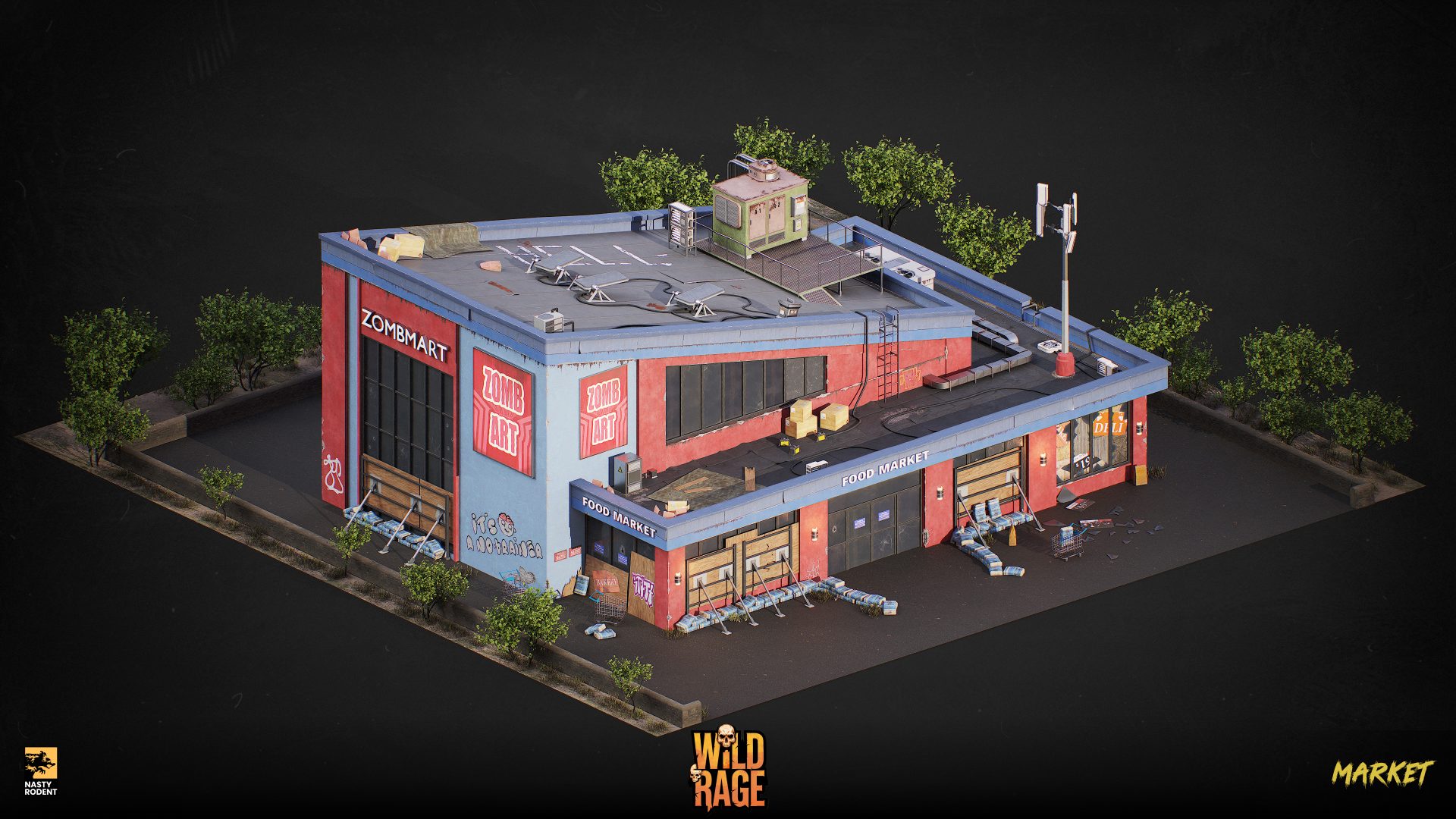


01 · The Model
What Full-Cycle Art Direction Means
Full-cycle art direction means an external partner leads the visual direction of a game and carries it through all art stages, from concept to final assets. The partner sets the visual language with the studio and keeps it consistent across disciplines, while the studio keeps the game vision and final approvals. Art co-development is a related but narrower model.
Disciplines under one direction: concept art · characters · weapons · props · environments
FEATURE 01
Art Direction vs Co-Development
In full-cycle art direction, the external partner helps establish the visual language and maintains consistency across the agreed disciplines. In art co-development, responsibility is shared with the client across clearly defined areas of production, with decision rights established before work begins. Our article on co-development vs outsourcing compares the models in detail.
Art priority: clear decision rights for each discipline or area
Agreed at the brief: what the partner decides, what the studio approves, escalation path
FEATURE 02
The Art Director's Role
The art director sets the visual language, keeps all disciplines aligned with it and reviews work before it reaches the studio. Whether that role sits inside the studio or with a partner is a staffing decision; our guide to in-house vs vendor art direction walks through it.
Art priority: a shared visual language across characters, gear and world
Agreed at the brief: style references, review rhythm, escalation path
FEATURE 03
Studios That Choose This Model
Teams without an art lead, studios starting a new game or world, and productions that need several disciplines at once often look for this model. It replaces coordinating several vendors with one partner who plans the whole art side.
Art priority: a production plan that covers all disciplines, not separate queues
Agreed at the brief: disciplines in scope, milestones, phases
FEATURE 04
What Stays With the Studio
The game vision, gameplay, design, code and final approvals stay with the studio. The partner leads the art within that frame and documents its decisions, so the studio can continue the style later with any team.
Art priority: documented decisions in an art bible
Agreed at the brief: approval rights, ownership of documents and source files
02 · Engagement Depth
Three Levels of Art Partnership
The right level depends on how much of the art side your studio wants to lead itself.
| Model | Visual direction | Production responsibility | Typical fit |
|---|---|---|---|
| Asset outsourcing | Client-led | Vendor delivers agreed assets | Clear art bible, defined asset lists |
| Art direction-led production | Vendor proposes and leads; client approves | Vendor coordinates the agreed art disciplines | New game or world, no art lead in-house |
| Art co-development | Shared by defined areas | Shared according to agreed responsibilities | Large productions splitting the art side between teams |
03 · The Full Cycle
From first concept to final asset
art direction on Wild Rage
stages
typical first reply
The stages below illustrate a typical workflow; the exact sequence depends on the disciplines and scope. Production follows agreed review milestones, with written approvals and revision rounds defined in the project scope.

Stage 1: Briefing and Reference Gathering
We analyze your goals, visual style, target platform and technical requirements, and review mood boards, references and constraints to agree on one vision.

Stage 2: Concept Design
Concepts, compositions and key elements define the foundation, sometimes with 3D blockouts or sketches, so the direction is tested before full production.

Stage 3: Modeling and Detailing
Production assets are built to the approved concepts and technical requirements, discipline by discipline, under the same art direction.

Stage 4: Review and Final Delivery
Assets pass internal art review and your review at the agreed milestones, then the agreed files and formats are delivered. See what a source files handover package should include.
Typical Roles in a Full-Cycle Art Team
Team composition is determined by the agreed disciplines, production requirements and project scope.
| Role | Responsibility |
|---|---|
| Art Director | Visual vision and consistency across all disciplines |
| Project Manager | Phases, timeline and communication with your team |
| Lead 3D Artist | Quality of 3D production and guidance for artists |
| Concept Artist | Visual direction for characters, objects and environments |
| Technical Artist | Asset specifications, format requirements and technical handoff support within the agreed scope |
| Task | Who does it |
|---|---|
| Game vision, gameplay, design and final approvals | Your team |
| Visual direction proposals, style guide, art production plan | Nasty Rodent |
| Production across the agreed disciplines | Nasty Rodent |
| Engine integration, programming, level building | Your team; not part of our services |
04 · Studios
Who Uses Full-Cycle Art Direction
| Studio | What you need | Typical scope | How we plug in |
|---|---|---|---|
| Studios starting a new game or IP | A visual identity built from zero | Mood boards, concept art, style guide, then production | Project-Based, then Ongoing Support |
| Teams without an in-house art lead | Someone accountable for the look | Art direction plus production across disciplines | Ongoing Support |
| Large productions dividing the art side | A partner with clear ownership of one area | Characters, weapons or environments as a defined area (art co-development) | Ongoing Support |
| Studios with their own art director | Extra capacity under their lead | Artists inside your pipeline | Outstaffing (asset level, not art direction) |
Looking at the genre side?
See our RPG and MMO game art.
05 · How We Work
Engagement models for art direction
Art direction needs continuity, so it fits models where one team stays with the project.
Project-Based
A fixed scope, defined deliverables and milestone payments. Suited to a visual direction package: mood boards, concept art and a style guide.
Ongoing Support
Monthly capacity allocated to your project. The same art director and team carry the direction across milestones without re-onboarding.
Outstaffing
Our artists work inside your pipeline, under your art direction. This model adds capacity rather than art direction.
Quality gates: each batch is reviewed by our lead artist before you see it. Read how quality gates for outsourced game art catch problems early.
06 · Cases
Full art direction on Wild Rage
Wild Rage
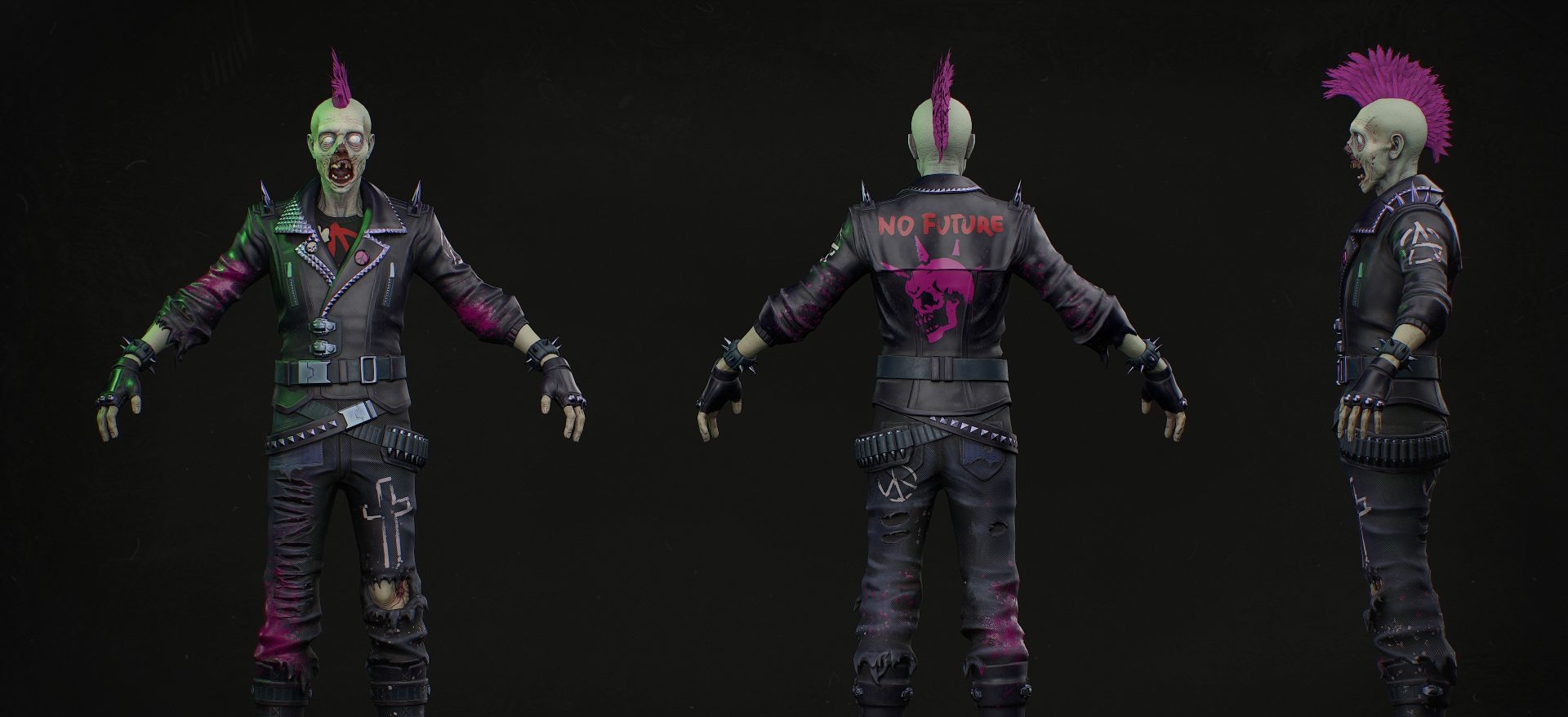
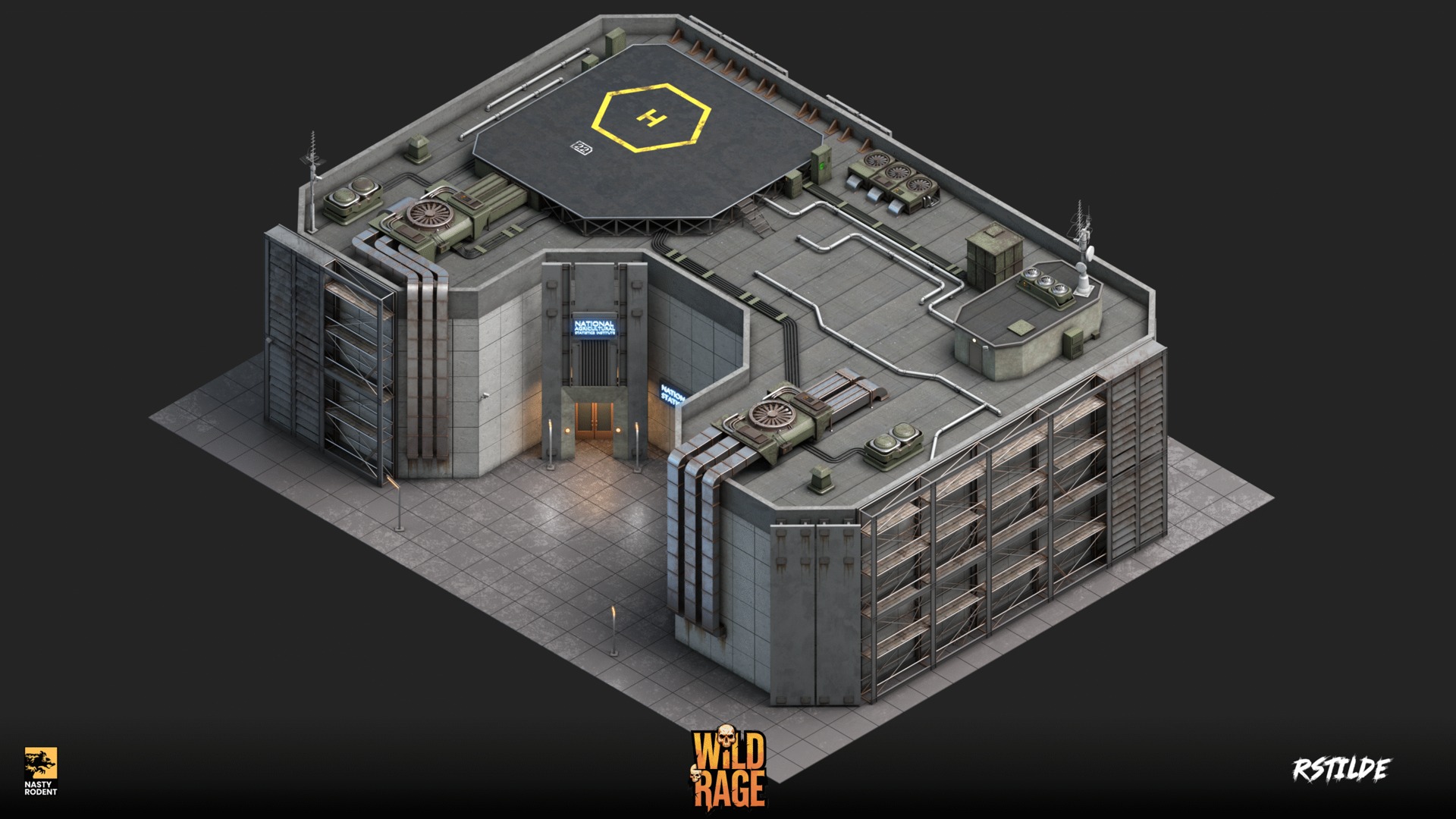
For Whimsy Games, we led and developed the art direction of a survival MMORPG set in a post-apocalyptic world of humans and zombies. Under that direction our team produced concept art, 3D characters with rigging, weapons, props, vehicles and environment assets in one consistent style.
View the Wild Rage case“Nasty Rodent supported our large-scale game art production with 15+ specialists across props, characters, environments, weapons, concept art, and vehicles. They also helped structure pipelines, managed art direction, and coordinated the art team.” – Denys Kliuch, CEO, Whimsy Games
06.1 · Cases
What is confirmed and what we agree with you
| Topic | Confirmed on Wild Rage | Agreed with you at the brief |
|---|---|---|
| Leading the art direction | Yes | Your vision, references and approval rights |
| Disciplines under one direction | Concept art, characters with rigging, weapons, props, vehicles, environments | Disciplines in scope |
| Pipeline structuring and art team coordination | Stated in the client's review | Review rhythm, tools, conventions |
| Engine integration, game design, programming | Not part of our work | Your team |
| Art co-development on other projects | Not shown as a separate case | Areas of shared ownership |
FAQ's: Full-Cycle Art Direction
What is full-cycle art direction?

How does art co-development differ from art direction and outsourcing?
When should a studio hand art direction to a partner?
Who has the final say on the art?
Have you led art direction for a client before?
How do I get an estimate?
Need One Vision Across
Your Whole Game?
Tell us about your game, what your team covers and where you need art leadership. We typically come back with questions and a draft scope within 1–2 business days.
- Transparent pricing
- Honest feedback
- No hidden costs - ever