Thank you!
Your request has been sent.
We'll review your request and get back to you within 1–2 business days.
Thanks for the feedback!
We appreciate you helping us improve.




Game Art for Godot Engine Projects
Open-source engine,
art built to your specs
2D and 3D characters, environments, props and UI produced to the renderer, import format and platforms your Godot project uses.
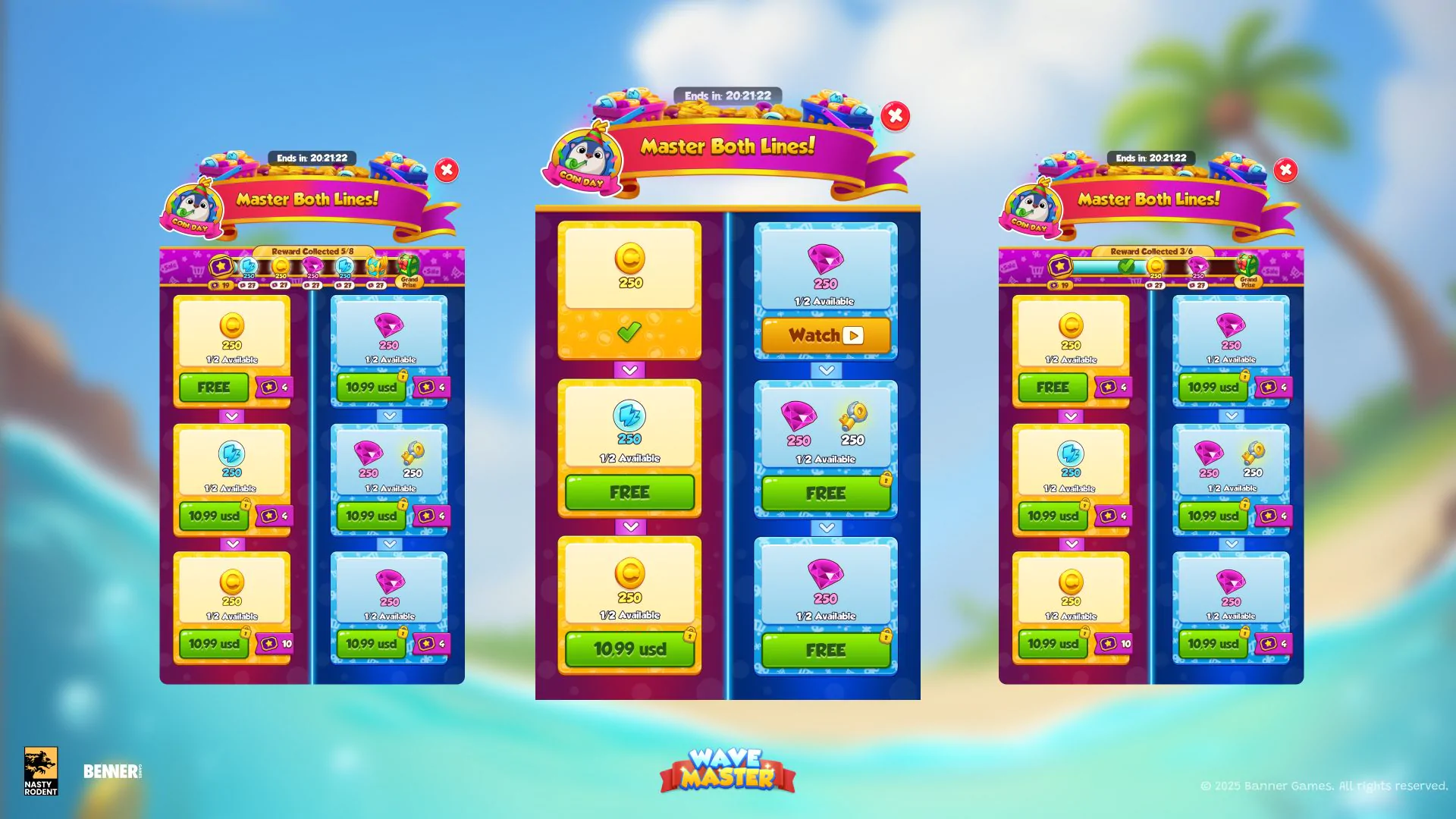
Related work: UX/UI for Wave Master · Multi-disciplinary game art for Bubble Quest of Vikings
Request a Quote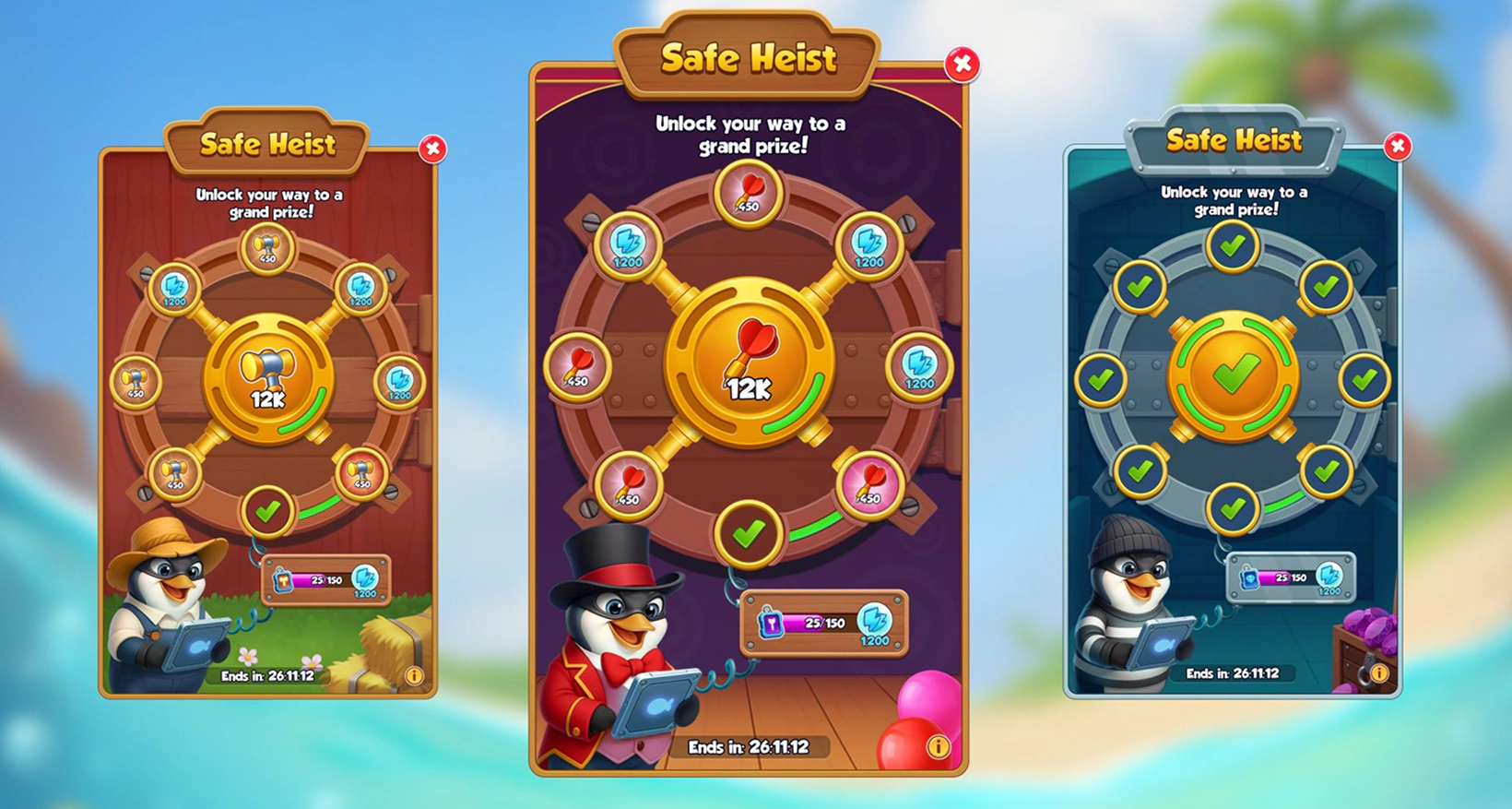


01 · The Engine
What Godot Means for Game Art
Godot is a free and open-source 2D and 3D game engine, released under the MIT license and usable for commercial projects. For game art outsourcing, three project choices shape the art: the renderer, the 3D import format and the target platforms. These decide material features, file delivery and detail budgets, so they are agreed before production.
Art for Godot projects: concept art · characters · environments · props · UI/UX
FEATURE 01
Three Renderers
Godot 4 includes three renderers. Godot's documentation describes Forward+ as the most advanced, suited for desktop platforms; Mobile has fewer features and suits mobile and desktop; Compatibility is the least advanced, suited to low-end devices and used by default on the web. Material features and visual targets follow the renderer your project uses.
Art priority: materials and detail that hold up on your lowest target renderer
Agreed at the brief: renderer per platform, material features in use
FEATURE 02
glTF-First Import
Godot's documentation recommends glTF 2.0 for 3D scenes. It also supports .blend files through an installed Blender, FBX through the ufbx library, COLLADA, and OBJ, which lacks pivots, skeletons, animations and PBR materials. Choosing the format early avoids lost data on import.
Art priority: a delivery format that keeps pivots, hierarchy and materials intact
Agreed at the brief: glTF 2.0 or FBX, export settings, material conventions
FEATURE 03
Scenes and Nodes
Godot organizes projects around scenes and nodes. Imported 3D scenes can preserve object hierarchies and names, depending on the exchange format and import settings. We agree the required hierarchy, naming and pivot conventions before asset production.
Art priority: clean hierarchy and naming in delivered files
Agreed at the brief: naming rules, hierarchy structure, scale
FEATURE 04
Automatic LOD and Textures
Godot can generate mesh LODs automatically when importing supported 3D scenes. Projects requiring artist-controlled detail changes can also use manually prepared assets with visibility ranges, and the approach is agreed with the development team. Textures used in 3D switch to compressed formats with mipmaps by default, while pixel art may need lossless settings. See our polygon budget guide for planning detail levels.
Art priority: topology that decimates cleanly, textures sized for the target
Agreed at the brief: automatic or manual LODs, texture sizes, pixel-art rules
02 · Platforms
Godot Platforms and Art Budgets
Godot's documentation lists export to Windows, macOS, Linux, Android, iOS and the web. Exact budgets come from your team.


Desktop
Desktop projects can use the Forward+ renderer, the most advanced of the three and the default on desktop platforms.

Mobile
The Mobile renderer is the default on mobile platforms. Phones often set tighter limits on texture memory and rendering cost; see our mobile game art page.

Web
Web exports require WebAssembly and WebGL 2.0 in the player's browser and use the Compatibility renderer by default, so assets are planned around the simplest feature set and download size. Our HTML5 and web game art page covers browser specifics.

Consoles
Godot's documentation states that an open-source console export cannot be provided because of console manufacturers' licensing terms. Console releases depend on separate arrangements made by the studio.
03 · Production
Specs and Delivery Scope
typical first reply
Your team defines the pipeline, and together we agree a specification sheet covering the renderer, exchange format, scale, LOD approach, texture sizes and naming. Each batch goes through an internal art review by our lead artist before your team sees it.
Deliverables for Godot
Possible scope, confirmed at the brief:
| Deliverable | Detail |
|---|---|
| 3D models | In the exchange format agreed for your project, such as FBX or glTF 2.0 |
| LODs | Manual LODs where your project does not rely on automatic generation |
| Texture sets | At agreed sizes, with material conventions agreed for your renderer |
| 2D art and UI | Characters, props, environments and interface graphics |
| Concept art | Look development before production |
| Source files and handoff | Organized, named, editable files |
| Task | Who does it |
|---|---|
| Asset production: 2D and 3D art, UI, concept art | Nasty Rodent |
| Specification sheet: renderer, format, scale, LODs, textures | Agreed with your team at the brief |
| Import settings, scene setup, shaders and materials in Godot | Your team; possible scope agreed separately |
| Builds, platform exports and optimization | Your development team |
Delivering files that keep pivots, names and hierarchy intact is covered in our guide to the asset import pipeline.
04 · Studios
Who We Make
Godot Art For
| Studio | What you need | Typical scope | How we plug in |
|---|---|---|---|
| Independent teams on Godot | Several disciplines from one partner | Concept, characters, environments, UI | Project-Based |
| 2D and stylized projects | Characters, props and UI in one style | 2D art and UI sets | Project-Based or Ongoing Support |
| Mobile and web teams | Art that fits the Mobile or Compatibility renderer | Lightweight 3D or 2D asset batches | Project-Based |
| Teams with their own art leads | Artists working to your conventions | Artists inside your pipeline | Outstaffing |
Working with a small team?
See our page for indie studios.
05 · How We Work
Three Ways to Work Together
We structure production around your pipeline. Choose the model for your current stage; it can change as the project does.
Specification first: renderer, exchange format and import rules are agreed in writing before production.
Project-Based
A fixed scope, defined deliverables and milestone payments. Suited to a defined asset list for a milestone.
Ongoing Support
Monthly capacity allocated to your project. One team keeps your conventions across batches without re-onboarding.
Outstaffing
Our artists work inside your pipeline, under your art direction. You manage the process; we provide the capacity and the skill.
06 · Cases
Related Work
We have not published a project delivered in Godot. The closest evidence is 2D, UI and character work on casual mobile games; our case pages do not state which engine these games use.

Wave Master
For Banner Games, we developed the UX/UI design and created graphic assets for a casual mobile game.
View the Wave Master case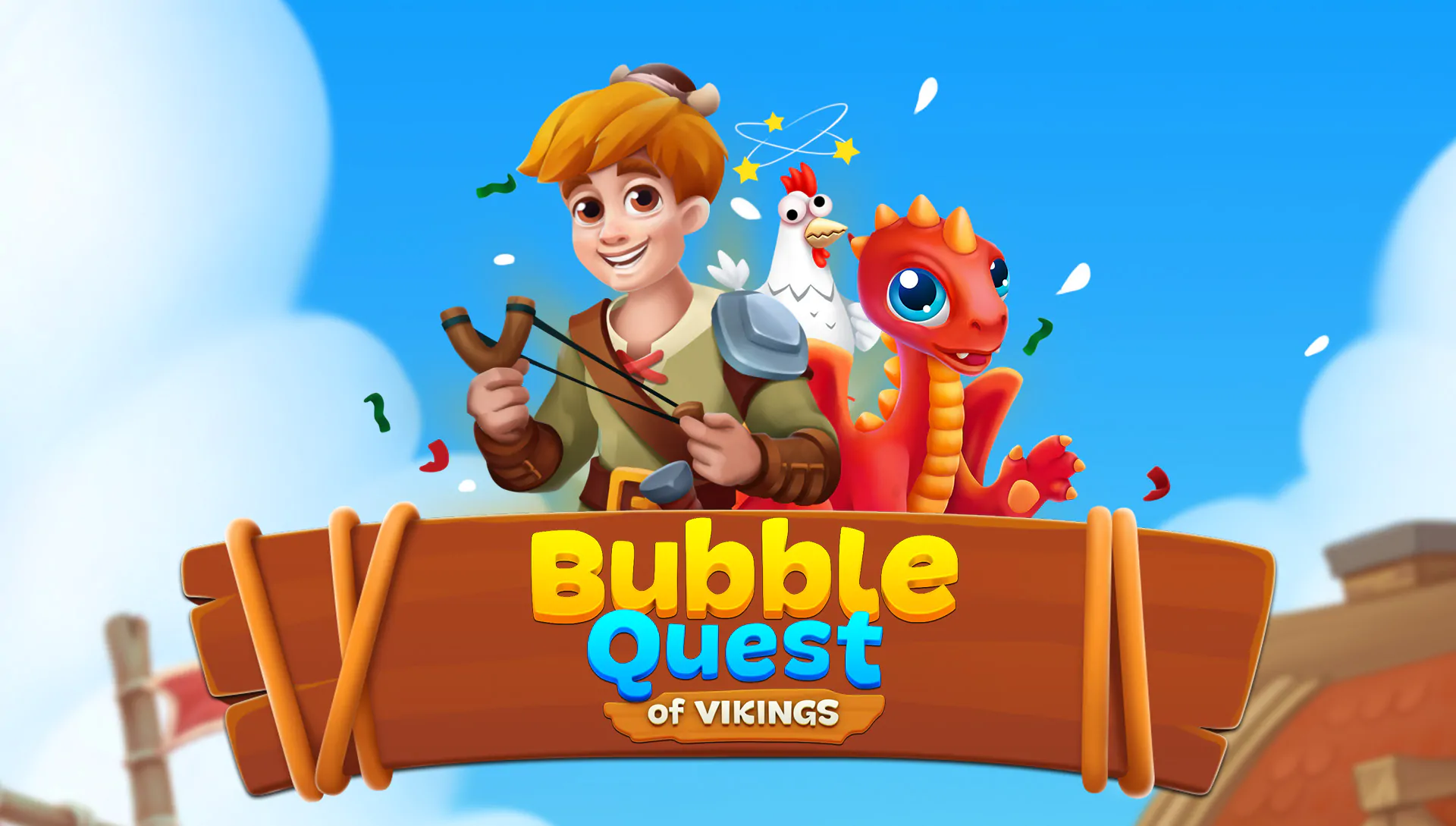
Bubble Quest of Vikings
For Whaleapp LTD, we contributed to the full art production of a casual mobile game: concept design, characters, environments and UI.
View the Bubble Quest of Vikings case07 · The Evidence
What is confirmed
and what we agree
with you
| Topic | Confirmed on our cases | Agreed with you at the brief |
|---|---|---|
| UI/UX and 2D assets for casual games | Wave Master, Bubble Quest of Vikings | Screens, style, asset list |
| Characters and environments | Bubble Quest of Vikings | Style, 2D or 3D |
| Work delivered in Godot | Not published | Renderer, format and import rules |
| Godot import, scene or shader setup | Not documented on our cases | Scoped separately |
FAQ's: Godot Game Art
What makes art for Godot different?

Which 3D format should we use for Godot?
Do we need Blender to use your assets?
Can you make 2D art for Godot games?
Have you worked on Godot projects?
How do I get an estimate?
Building in
Godot?
Tell us about your project, renderer and target platforms. We typically come back with questions and a draft scope within 1–2 business days.
- Transparent pricing
- Honest feedback
- No hidden costs - ever